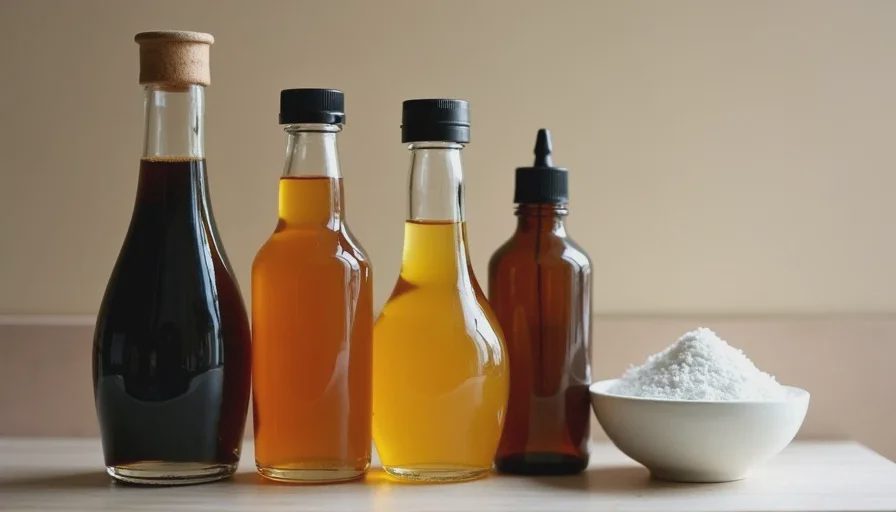
When I first started cooking Chinese-inspired food at home, I did what most curious cooks do: I went to the international grocery store and bought a little bit of everything. Dark soy, light soy, mushroom soy, oyster sauce, hoisin, Shaoxing wine, black vinegar, chili bean paste. My pantry looked impressive. A month later, half of those bottles were still sealed, and I had no idea what to do with them. That’s when I learned an important lesson: a simple Chinese pantry for beginners isn’t about owning every sauce. It’s about owning the few things that give you the most flavor, and learning how to use them well.
If you’re new to this, you can build a workable Chinese-inspired pantry from one regular American grocery store. You don’t need to drive across town or order specialty bottles online. You just need five basic items, plus a little salt and pepper. Here’s what I actually keep on hand, why each one matters, and what you can ignore until you’re ready.
Why I Don’t Recommend a Huge Pantry First
A starter pantry should feel like training wheels, not a burden. When you have too many bottles, you hesitate. You second-guess yourself. You reach for the wrong thing and the sauce tastes off. Or worse, you buy things because a recipe called for a teaspoon of something, and then that bottle lives in your fridge for two years.
Less Decision, More Cooking
I worked on a restaurant line where the pantry was organized, labeled, and used daily. Nothing sat around because everything had a job. At home, you want the same logic. Your pantry should have a job. If you can’t explain what a sauce does, you probably don’t need it yet.
Start With What You Can Replace
Most American grocery stores carry the basics I’m about to list. That means you can restock without a special trip. That’s the whole point. A good pantry works with your life, not against it.
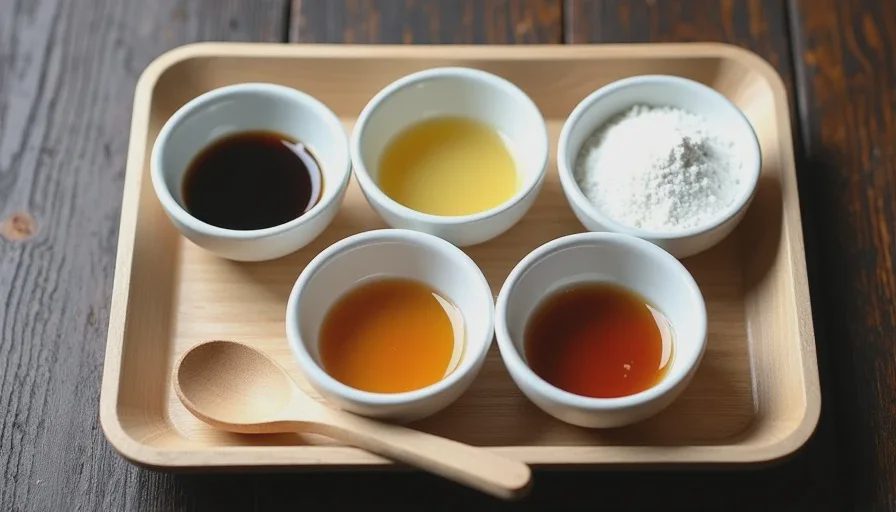
The Core Five: What to Buy First
These are the five items I reach for constantly when I make Chinese-inspired weeknight dinners.
1. Soy Sauce
Start with one bottle of regular soy sauce. You don’t need light, dark, and mushroom soy to make a good dinner. Regular soy sauce gives you salt, umami, and depth. In a regular American supermarket, you’ll usually find Kikkoman or a similar brand in the Asian aisle. That’s fine.
If you want to get a little closer to restaurant flavor later, you can add dark soy sauce for color. But for the first few months, one bottle is enough. I cooked with one soy sauce for years at home before I bothered with anything else.
2. Something Sweet
You need a little sweetness to balance the saltiness of soy sauce. Sugar is the easiest option. Honey works too, and it adds a different kind of roundness. I keep a small jar of honey and a bag of white sugar. A teaspoon of either one can take a sauce from harsh to balanced.
If you have mirin in the house, use that. But you don’t need to buy it. Sugar and water will do the job in most weeknight sauces.
3. Something Acidic
A splash of acid brightens a sauce and keeps it from tasting flat. Rice vinegar is the classic choice, but if you don’t have it, lime juice or even a mild white vinegar works. I’ve used lime juice on a Tuesday when my rice vinegar ran out, and nobody in my family noticed.
The key is to add acid at the end of cooking, not at the beginning. You want that brightness to stay fresh.
4. Sesame Oil
Sesame oil is a finishing oil, not a cooking oil. You add a few drops at the end, after the heat is off, to give the dish a toasty, nutty aroma. It’s strong, so a little goes a long way. One small bottle will last you months.
Do not fry with it. Do not use it to sear chicken. That’s the mistake I see most often. It burns at high heat and turns bitter. A few drops at the end is all you need.
5. Cornstarch
Cornstarch is the workhorse of Chinese-inspired sauces. It thickens your sauce into that glossy, clinging texture you love on takeout beef and broccoli. Mix a teaspoon with two teaspoons of cold water, stir it into the pan at the end, and within about thirty seconds your sauce will tighten up.
This is the one item I always tell new cooks to buy. It’s cheap, it’s in every grocery store, and it makes a huge difference.
What You Can Skip for Now
Here’s the truth: you don’t need oyster sauce, Shaoxing wine, black vinegar, or chili bean paste to make good Chinese-inspired food at home. Those ingredients are useful later, but they’re not the foundation. If a recipe calls for Shaoxing wine on a Tuesday night, you can use a splash of chicken broth or even water. If it calls for oyster sauce, you can add a little extra soy sauce and a pinch of sugar.
I’m not saying those ingredients don’t have value. They do. But they can wait until you’re comfortable with the basics. Adding them too early can make cooking feel complicated, and that’s the opposite of what we want.
The Rule of Thirds: A Simple Sauce Formula
Here’s a sauce ratio I use all the time. You can memorize it and apply it to almost any stir-fry:
2 parts soy sauce
1 part acid (rice vinegar or lime juice)
1 part sweet (sugar or honey)
A little cornstarch slurry to thicken
For a small weeknight pan, that might mean 2 tablespoons soy sauce, 1 tablespoon rice vinegar, 1 teaspoon honey, and 1 teaspoon cornstarch mixed with a splash of water. Taste it before you add it to the pan. Adjust with a little more sweet if it’s too sharp, or a little more soy if it’s too weak.
This is the sauce I used for years when I first started cooking at home, and it still works on a busy night.
When to Add the Extras
Once you’ve cooked with these five basics for a few weeks and you feel confident, you can start expanding. The first extras I’d suggest are oyster sauce and dark soy sauce. Oyster sauce adds a savory, slightly sweet richness. Dark soy sauce gives your dishes a deep brown color without much salt. After that, you might try chili garlic sauce or sesame paste.
But don’t rush. The goal is to cook, not to collect bottles.
Keep It Simple, Keep It Yours
A pantry is a reflection of how you cook, not how someone else cooks. My starter pantry works for me because I know what each item does and I know when to reach for it. Yours might look a little different, and that’s fine. The point is to start with a small set of tools you understand, and build from there.
Good food should fit real life. That includes the bottles in your cabinet. Start small, learn the rhythm, and add only what you’ll actually use.
Travellers Write
No letters yet — be the first traveller to write.