House special chow mein is the kind of dinner that earns a regular spot in your weeknight rotation. It has springy noodles, crisp-tender vegetables, savory sauce, and enough protein to make everyone feel fed. You do not need a restaurant wok or a pantry full of hard-to-find ingredients. A large skillet, a hot burner, and a little prep discipline will get you there.
I like this dish because it is flexible without becoming bland. Chicken, shrimp, pork, tofu, or a combination can work. The important part is cutting everything before you turn on the stove. Stir-frying moves quickly, and hunting for soy sauce while your cabbage softens too far is how a good dinner loses its rhythm.
What makes house special chow mein work
The phrase “house special” usually signals a combination-style noodle dish rather than one built around a single protein. At home, that means you can use two proteins in small amounts instead of buying a large quantity of one. For four servings, try 8 ounces of boneless chicken thighs plus 4 ounces of peeled shrimp. Thinly sliced pork and scrambled egg are also excellent additions.
Use chow mein noodles if your grocery store carries them, but do not stop cooking because the specialty shelf is empty. Yakisoba-style noodles, fresh lo mein noodles, or even thin spaghetti can do the job. Cook dried noodles just until flexible, rinse briefly, and drain well. Excess water dilutes the sauce and causes steaming instead of browning.
For vegetables, start with a practical mix: sliced onion, shredded cabbage, carrots, and scallions. Celery, bean sprouts, bell pepper, snow peas, and mushrooms all fit. Aim for about five cups of sliced vegetables. That sounds like a lot in the cutting board stage, but they shrink into a generous, colorful pan of dinner.

The simple sauce and prep plan
A dependable sauce for house special chow mein needs salt, sweetness, acidity, and enough liquid to coat the noodles. Stir together 3 tablespoons soy sauce, 1 tablespoon oyster sauce, 1 tablespoon water, 1 teaspoon toasted sesame oil, 1 teaspoon rice vinegar, and 1 teaspoon brown sugar. Add a pinch of white pepper if you have it. For a less salty result, use low-sodium soy sauce and let the oyster sauce provide some of the depth.
Set the sauce beside the stove, then arrange the ingredients in cooking order. Keep the noodles in one bowl, the protein in another, and the vegetables grouped by how long they need: onions and carrots first, cabbage and mushrooms next, scallions and bean sprouts last. This is not restaurant theater. It is simply the easiest way to keep from overcooking something while searching through the refrigerator.
If you are using shrimp, pat it dry and season lightly with salt. For chicken or pork, toss the slices with 1 teaspoon cornstarch and 1 teaspoon soy sauce. That thin coating helps the meat stay juicy and gives the sauce something to cling to. Do not marinate it for an hour; ten minutes while you chop is plenty for a weeknight meal.
How to cook the noodles without a soggy pile
Cook the noodles according to the package, but pull them slightly early. They will finish in the skillet. Drain them thoroughly and toss with a teaspoon of neutral oil if they need to sit for more than a few minutes. This prevents clumping without making the final dish greasy.
Heat a 12-inch skillet or wok over medium-high heat. Add 1 tablespoon of neutral oil, then cook the protein in a single layer. If the pan is crowded, work in batches. Chicken should lose its raw center, pork should be cooked through, and shrimp should turn opaque and curl. Transfer everything to a plate before starting the vegetables.
That short rest is useful. It keeps the protein from drying out while you build the flavor base. Add another tablespoon of oil if the pan looks dry, then cook the onion and carrots for two minutes. Add cabbage and mushrooms and stir for another two to three minutes. You want a little color and bite, not vegetables collapsing into soup.
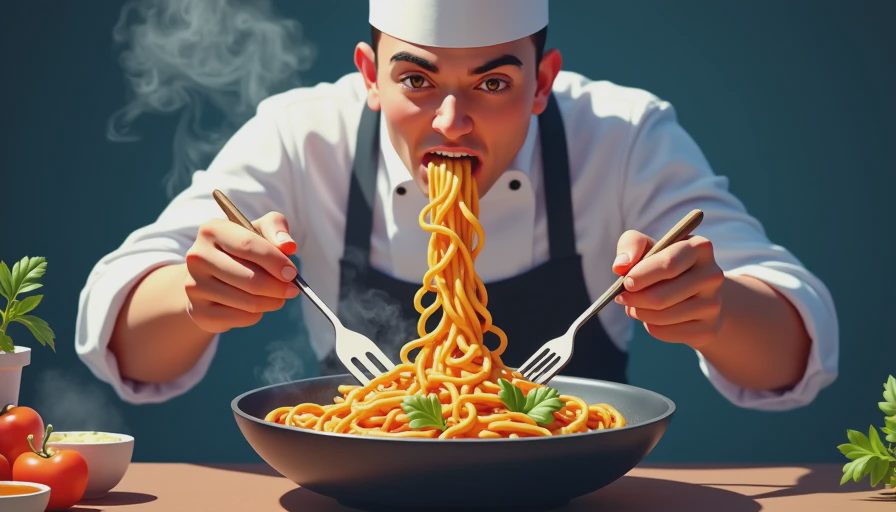
Finishing house special chow mein in one pan
Add the noodles to the vegetables and use tongs to lift and turn them. Pour the sauce around the edge of the hot pan rather than dumping it in one cold spot. The heat wakes up the aromatics in the sauce, and tossing spreads it evenly. Return the cooked protein and stir-fry for one to two minutes, just until everything is hot.
Fold in scallions and bean sprouts at the end. Scallions bring a fresh onion flavor, while bean sprouts add the crunch that makes house special chow mein feel lighter than a heavy noodle casserole. Taste before adding more soy sauce. A few drops of rice vinegar or a squeeze of lime can brighten the whole pan if the flavor seems flat.
For heat, serve chili crisp, sriracha, or red pepper flakes at the table. This is especially helpful when feeding children. Keep the main skillet savory but mild, then let adults add heat to their own bowls. A small dish of sliced cucumbers also makes a cool, crisp side with almost no extra work.
Smart swaps for the grocery store
There is no single required shopping list for house special chow mein. Use what your store and budget make practical. Rotisserie chicken can replace raw chicken; add it only during the final toss so it does not dry out. Frozen peeled shrimp works well after a quick thaw and thorough pat dry. Extra-firm tofu is a good meatless option when pressed, cubed, and browned before the vegetables.
Oyster sauce gives the deepest restaurant-style flavor, but hoisin sauce can stand in for a sweeter version. If you need an oyster-free sauce, combine soy sauce with a teaspoon of hoisin and a little extra water. Tamari works for a gluten-free direction when paired with gluten-free noodles and verified sauces. Sesame oil is useful but not essential; the dish will still be satisfying without it.
For a lower-cost dinner, use more cabbage and carrots and less protein. A dozen ounces of meat or shrimp is enough for four servings when the noodles and vegetables carry the meal. This approach also makes leftovers less dry because every forkful has sauce-coated vegetables mixed through it.
Leftovers and serving ideas
House special chow mein is best straight from the skillet, but leftovers make a useful lunch. Cool them promptly, refrigerate in a shallow container, and use within a few days. Reheat in a skillet with a tablespoon of water. The water creates a little steam and loosens the noodles without requiring extra sauce. A microwave works too; cover the container loosely and stir halfway through heating.
If you are planning ahead, slice the vegetables and mix the sauce the night before. Store them separately so the cabbage stays crisp. You can also cook the noodles earlier in the day, rinse them, drain them well, and refrigerate them in a sealed container. Dinner then becomes a quick sequence instead of a chopping marathon.
Serve house special chow mein with steamed broccoli, edamame, or sliced fruit. You do not need egg rolls and fried rice beside it; the noodles already bring starch, vegetables, and protein together. Good food should fit real life, and this is exactly the sort of flexible meal that lets you use what is already in the kitchen.
A reliable weeknight cooking checklist
Before starting, make sure the protein is sliced, the noodles are drained, the sauce is mixed, and the vegetables are within reach. Heat the pan fully before adding oil. Cook the protein first, remove it, then cook the vegetables. Add noodles and sauce only after the vegetables have developed a little color. Return the protein at the end, taste, and adjust.
That order is the heart of house special chow mein. It protects texture, keeps the sauce from burning, and gives each ingredient enough direct contact with the hot pan. Once you make it this way, the recipe becomes more of a method than a strict formula. Change the vegetables, switch the protein, or add an egg, and you still have a fast, comforting dinner that feels generous without demanding a whole evening.
Travellers Write
No letters yet — be the first traveller to write.