Wide rice noodles for chow fun are one of those ingredients that can turn an ordinary Tuesday dinner into something wonderfully chewy, savory, and satisfying. The noodles are broad enough to catch sauce, tender enough to feel special, and quick enough for a busy family meal. You do not need a restaurant wok or a drawer full of specialty ingredients. You need a hot pan, organized ingredients, and a little respect for timing.
Chow fun is built around contrast: soft noodles, browned meat or tofu, crisp vegetables, and a glossy sauce. At home, the biggest challenge is keeping the noodles from tearing or clumping. Once you understand how to handle them, the rest becomes a flexible stir-fry you can adapt to what is in your refrigerator.
What to look for when buying the noodles
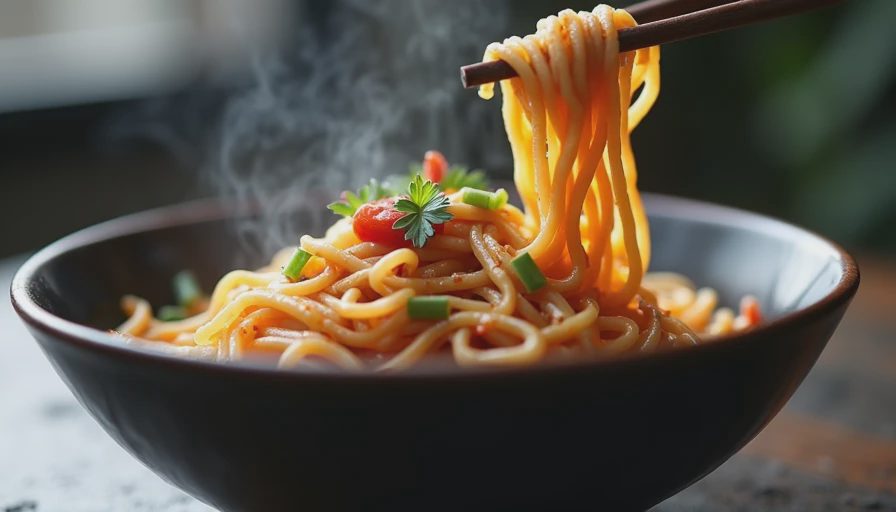
Traditional chow fun uses fresh, wide rice noodles, often sold refrigerated in plastic bags at Asian grocery stores. Look for ribbons about three-quarters of an inch wide. They should feel soft and pliable, not dry, brittle, or covered in a thick layer of oil. Fresh noodles usually cook fastest and give you the most tender texture.
If you cannot find fresh noodles, dried wide rice noodles can still make a good dinner. Choose noodles labeled for pad see ew, chow fun, or wide rice noodles. Brands such as Erawan and Three Ladies are commonly found in international markets, though package sizes and cooking times differ. Follow the package directions, but stop soaking while the noodles are still slightly firm in the center. They will finish cooking in the skillet.
Refrigerated noodles can be stubbornly stuck together. Let the unopened package sit at room temperature for 20 to 30 minutes, then gently separate the ribbons with your fingers. Do not rinse fresh noodles under cold water unless the package specifically instructs you to do so; excess water can make the stir-fry watery and cause splattering.
Prep the pan before you turn on the heat
The cooking itself moves quickly, so slice everything first. For four servings, prepare about 1 pound of noodles, 12 ounces of thinly sliced flank steak, chicken, shrimp, or extra-firm tofu, and 3 to 4 cups of vegetables. Broccoli stems, bell pepper, snow peas, bean sprouts, green onions, and thinly sliced carrots all work well.
Make a simple sauce with 3 tablespoons soy sauce, 1 tablespoon oyster sauce, 1 teaspoon toasted sesame oil, 1 teaspoon sugar, and 2 tablespoons water. For a vegetarian version, use mushroom-based stir-fry sauce or vegetarian oyster sauce. Add a teaspoon of chili crisp at the table rather than putting it in the entire pan if children prefer a gentler dinner.
Keep the protein, vegetables, noodles, and sauce in separate bowls beside the stove. This is not fussy restaurant behavior; it is how you avoid overcooking something while searching for the next ingredient. A large nonstick skillet works well, and a carbon-steel wok is excellent if you have one. The goal is a hot cooking surface with enough room for the food to move.
How to cook wide rice noodles for chow fun without breaking them
Heat 1 tablespoon of neutral oil over medium-high heat. Cook the protein in a single layer, working in two batches if the pan is crowded. Let it sit for a minute before stirring so it can brown instead of steaming. Transfer it to a plate when the center is just cooked.
Add another teaspoon of oil, then cook the firmer vegetables first. Carrots and broccoli stems need a few minutes; bean sprouts and green onions need less than a minute. Keep the vegetables bright and slightly crisp. Overcooked vegetables release water, and that water is the enemy of a glossy noodle stir-fry.
Add the noodles to the pan and pour the sauce around the edge. Use tongs or two wide spatulas to lift and turn rather than aggressively stirring. This gentle motion protects the ribbons. If the noodles are dry, add water one tablespoon at a time. If they are already soft, give them only enough heat to warm through and absorb the sauce.
Return the protein to the pan and fold everything together for 60 to 90 seconds. Wide rice noodles for chow fun should look shiny and feel tender, but they should not dissolve when picked up. Finish with sliced green onions, a small drizzle of sesame oil, or toasted sesame seeds.
Flavor upgrades that still belong on a weeknight
A small amount of fresh ginger and minced garlic gives the sauce a deeper base. Add both after the vegetables have cooked for about 30 seconds, then stir constantly so the garlic does not burn. Thinly sliced yellow onion adds sweetness, while a handful of fresh bean sprouts gives the finished dish the crunch you expect from takeout-style chow fun.
For beef, flank steak is a practical choice. Slice it thinly across the grain and toss it with 1 teaspoon soy sauce, 1 teaspoon cornstarch, and 1 teaspoon oil for 10 minutes before cooking. The cornstarch helps the meat stay juicy and gives the sauce something to cling to. Chicken thigh is more forgiving than chicken breast, but either works when sliced into small, even pieces.
To make the meal more substantial, add scrambled egg. Push the cooked vegetables to one side, add a little oil, scramble two eggs until softly set, and then combine them with the noodles. This is especially useful when you have fewer leftovers or need dinner to stretch for one extra person.
Common mistakes and easy fixes
The first mistake is overcrowding the pan. If a pound of noodles, meat, and vegetables barely fits, cook in batches. A crowded pan traps steam and creates limp noodles. The second mistake is adding extra sauce too early. Start with the measured amount; you can add another splash of soy sauce at the end, but you cannot remove salt once it is in the pan.
Another problem is cold noodles going straight from the refrigerator into a hot skillet. They seize up, break, and stay cold in the middle. Let fresh noodles warm slightly, or soak dried noodles until flexible before draining them well. If the noodles stick together during prep, separate them slowly instead of pulling hard. Torn pieces are still edible, but they will not give you those long, satisfying ribbons.
If the finished dish tastes flat, it usually needs one of three things: salt, sweetness, or acidity. Add a teaspoon of soy sauce for salt, a pinch of sugar for roundness, or a small splash of rice vinegar for lift. Make one adjustment at a time and taste before adding more.
A simple dinner plan for busy families
Start by slicing the protein and vegetables while the noodles come to room temperature. Mix the sauce, set the table, and put out any toppings before the pan heats. From that point, dinner can be on the table in about 20 minutes. This order also makes cleanup easier because the cutting board and sauce bowl are finished before cooking begins.
Serve wide rice noodles for chow fun straight from the pan with cucumber slices, steamed broccoli, or a quick fruit side. For children, keep the base sauce mild and offer chili crisp, hot sauce, or white pepper separately. Adults can add lime juice, crushed peanuts, or extra green onions after serving.
Leftovers keep in a sealed container in the refrigerator for up to three days. Reheat them in a skillet with a tablespoon of water rather than microwaving them dry. The noodles loosen as they warm, and a quick toss restores some of their original shine. You can also pack leftovers for lunch with a fried egg or sliced fruit.
Good food should fit real life. Buy the noodles you can find, use the vegetables already in the crisper, and focus on heat, timing, and a balanced sauce. Once those pieces are in place, wide rice noodles for chow fun become less of a specialty project and more of a dependable, flavorful weeknight dinner.
Travellers Write
No letters yet — be the first traveller to write.