If you are counting carbohydrates, carbs in moo shu pork can be surprisingly difficult to estimate from a takeout menu. The pork, cabbage, mushrooms, and eggs are not especially high in carbs on their own. The bigger variables are the thin pancakes, sweet sauce, rice on the side, and how generously the restaurant fills the container. Good food should fit real life, so let’s sort out what is actually on the plate and how to order or cook it with more control.
Where the Carbs Come From
A basic moo shu filling is built from sliced pork, scrambled egg, cabbage, wood ear mushrooms, scallions, garlic, and a savory brown sauce. Most of those ingredients contribute only a small amount of carbohydrate per serving. Cabbage and mushrooms do contain natural carbs, but they also bring water and fiber, which keeps the total fairly modest.
The pancakes are usually the main source. A single thin flour pancake often contributes roughly 15 to 25 grams of carbohydrates, depending on its diameter and recipe. Two pancakes can therefore add 30 to 50 grams before you count sauce or rice. Hoisin sauce also matters because it commonly includes sugar; a few tablespoons can add another 10 to 20 grams.
That is why carbs in moo shu pork vary so much between restaurants. One order might arrive with four pancakes and a cup of white rice, while another gives you two pancakes and no rice. The filling may be similar, but the complete meal can land in very different nutritional territory.
A Realistic Restaurant Estimate
For the filling alone, a typical restaurant portion may contain approximately 10 to 20 grams of carbohydrates. That is a practical estimate, not a universal nutrition fact, because restaurants differ in vegetable amounts, thickener, and sauce quantity. If you eat two flour pancakes, add roughly 30 to 50 grams. A half cup of cooked white rice contributes about 22 grams, while a full cup contributes about 45 grams.
Using those pieces, a plate with filling and two pancakes might fall around 40 to 70 grams of carbohydrates. Add a full side of rice and the meal can move toward 85 to 115 grams. Those numbers explain why a dish that sounds mostly like meat and vegetables can become a high-carbohydrate dinner once it is served in the usual takeout format.
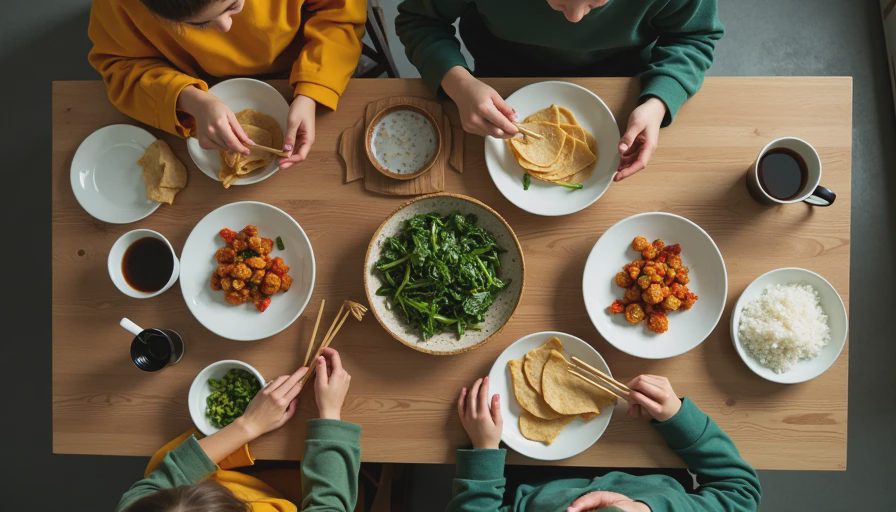
When you need a closer estimate, separate the meal mentally. Count the filling, count each pancake, then count rice or noodles. This is more useful than searching for one official number, especially when the restaurant does not list its recipe or serving size.
How to Lower Carbs Without Losing the Good Part
The easiest adjustment is to treat the pancakes as an optional wrapper instead of the entire meal. Ask for the filling over extra cabbage or steamed vegetables, then use one pancake for the first serving. You still get the sweet-savory pork, crisp vegetables, and soft egg, but you remove a large portion of the flour from the plate.
At home, you have even more control over carbs in moo shu pork. Use a large skillet, cook the pork quickly in a little neutral oil, and remove it before it overcooks. Stir-fry the vegetables until the cabbage is just tender, then return the pork and egg to the pan. Add a sauce made from low-sodium soy sauce, rice vinegar, garlic, ginger, and one or two teaspoons of hoisin rather than several large spoonfuls.
Serve the mixture in lettuce cups, low-carb tortillas, or simply in a bowl. A small scoop of rice can still fit if that is what makes dinner satisfying. The goal is not to make the meal feel like punishment; it is to decide where your carbohydrates will do the most work.
Sauce, Rice, and Pancake Choices
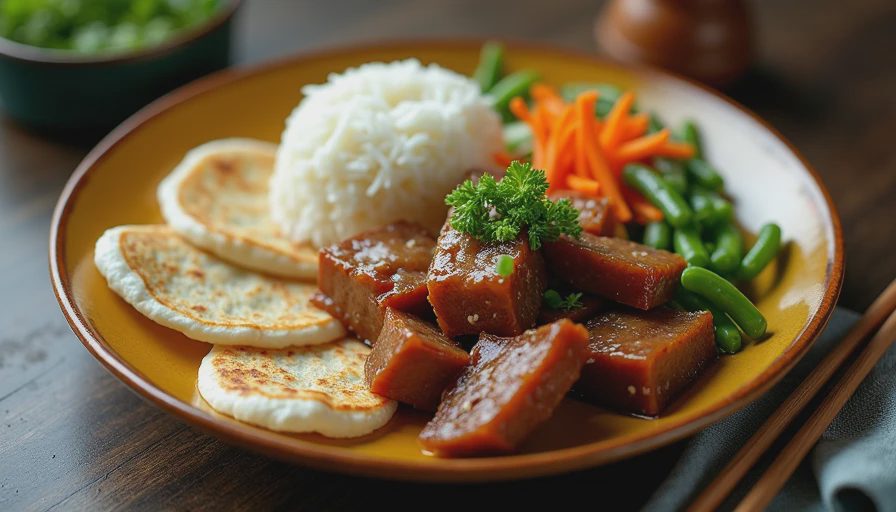
Sauce is the place where a small pour can become a meaningful difference. Hoisin is flavorful and convenient, but it is sweeter than soy sauce, vinegar, or chili garlic sauce. You do not have to remove it completely. Mix one tablespoon of hoisin with soy sauce, water, vinegar, and toasted sesame oil so it coats the filling instead of pooling underneath it.
For rice, use a measuring cup when you are learning your usual portion. Half a cup feels smaller than a restaurant mound, but it is enough to catch the sauce and make the bowl feel complete. Cauliflower rice, shredded cabbage, or a mix of half rice and half vegetables can stretch the plate while reducing total carbs.
Pancakes deserve the same practical treatment. One pancake folded around a generous amount of filling often tastes more satisfying than three mostly empty wraps. Warm them briefly so they stay flexible, and put the extra pancakes away before you start eating. The kitchen truth is simple: what is within arm’s reach tends to disappear.
Building a Balanced Home Version
For four servings, start with about one pound of lean pork, six cups of sliced cabbage, two cups of mushrooms, four eggs, and several scallions. This creates a vegetable-forward filling with enough protein for a family dinner. Thin pork strips cook quickly, especially if you slice them while the meat is still slightly chilled.
The carbs in moo shu pork are easier to manage in a home version because you choose the wrapper and side. Divide the filling into four bowls, then offer one pancake, a small rice portion, or lettuce cups at the table. Children can use more sauce or a second pancake, while adults can lean on extra vegetables without cooking separate meals.
If you use bottled stir-fry sauce, read the label rather than assuming every brand is similar. Kikkoman teriyaki-style sauces, hoisin sauces, and generic stir-fry sauces can differ in sugar and serving size. A quick label check takes less than a minute and gives you a more reliable estimate than the name of the dish.
The Takeout Strategy That Actually Works
You do not need to avoid takeout to keep the meal manageable. Order the moo shu filling with pancakes on the side, skip the rice, and portion the sauce before mixing everything together. Eat one serving, then refrigerate the rest promptly for tomorrow’s lunch. Reheat the filling in a skillet or microwave, adding a teaspoon of water if the vegetables have dried out.
For many diners, carbs in moo shu pork fit comfortably when the meal includes the filling, one pancake, and a vegetable side instead of filling, four pancakes, rice, and extra sauce. Pairing it with steamed broccoli or cucumber salad adds crunch without turning dinner into another starch-heavy plate.
The best estimate will always come from the actual ingredients and portion size, but the pattern is dependable: filling first, wrappers second, rice and sweet sauce last. Once you see those parts separately, ordering becomes much less mysterious. You can enjoy the dish, adjust the pieces that matter, and get back to dinner with your family.
Travellers Write
No letters yet — be the first traveller to write.