If you have ever wondered how do you make chinese garlic sauce at home, the answer is wonderfully practical: build a savory, lightly sweet sauce with fresh garlic, soy sauce, vinegar, and a little cornstarch. You do not need a special wok or a long list of hard-to-find ingredients. This version comes together in about 10 minutes and gives plain vegetables, chicken, shrimp, noodles, or rice the kind of glossy flavor that makes dinner feel finished.
The key is treating the sauce as a small system rather than dumping everything into a hot pan. Salt comes from soy sauce, acidity keeps the sweetness in check, garlic brings the main aroma, and cornstarch gives the mixture enough body to cling to food. Once you understand that balance, you can adjust it for your family without losing the basic character.
The Ingredients for Chinese Garlic Sauce
For about 1 1/2 cups of sauce, use 1 cup chicken or vegetable broth, 1/3 cup low-sodium soy sauce, 2 tablespoons rice vinegar, 1 tablespoon brown sugar, 1 tablespoon toasted sesame oil, 6 finely minced garlic cloves, 1 teaspoon grated fresh ginger, and 1 tablespoon cornstarch mixed with 2 tablespoons cold water. Add 1 to 2 teaspoons chili crisp or red pepper flakes if you like heat.
This is how do you make chinese garlic sauce with regular supermarket ingredients, not a pantry scavenger hunt. Rice vinegar is the cleanest choice, but apple cider vinegar works in a pinch. Fresh garlic gives the strongest flavor, although a teaspoon of jarred minced garlic is a reasonable weeknight shortcut. If you only have regular soy sauce, reduce it to 1/4 cup and use unsalted broth so the finished sauce does not become aggressively salty.
The broth matters more than people expect. Water works, but broth gives the sauce a rounder base, especially when you are serving it with broccoli, mushrooms, or tofu. For a richer finish, replace a few tablespoons of broth with oyster sauce, provided everyone at the table can eat shellfish.
How Do You Make Chinese Garlic Sauce on the Stove?
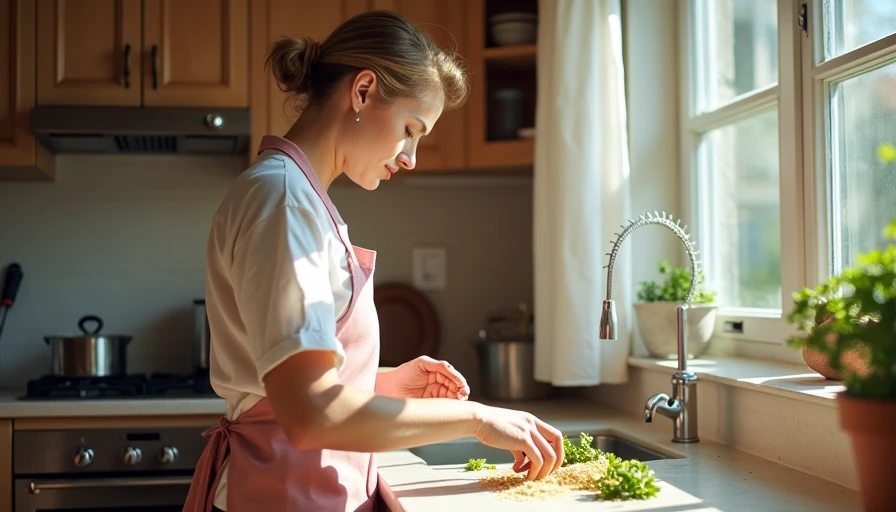
Start by whisking the broth, soy sauce, rice vinegar, brown sugar, sesame oil, and cornstarch slurry in a bowl. Keep the garlic and ginger separate for the moment. Mixing the starch into cold liquid prevents the small, stubborn lumps that appear when cornstarch hits hot sauce directly.
Warm a large skillet or small saucepan over medium heat. Add one teaspoon of neutral oil, then cook the garlic and ginger for 30 to 45 seconds. You are looking for fragrance, not color. Brown garlic tastes bitter and can make the entire batch seem harsh. Stir constantly, especially if your pan is thin or your burner runs hot.
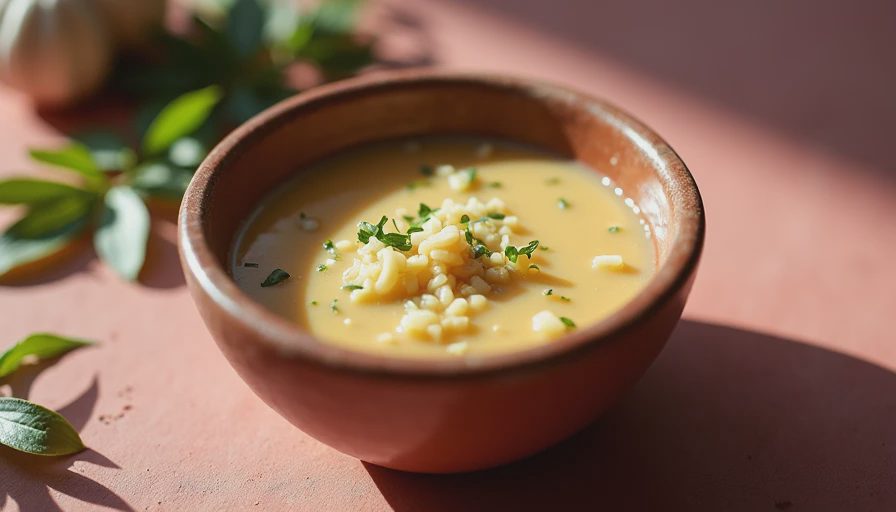
Pour in the whisked liquid and bring it to a gentle simmer. Stir as it heats. Within two to three minutes, the sauce should turn shiny and lightly thicken enough to coat a spoon. If it becomes too thick, whisk in broth one tablespoon at a time. If it looks thin, let it simmer for another minute before adding more starch. A sauce that clings is useful; a stiff paste is not.
That basic method answers how do you make chinese garlic sauce without relying on guesswork. The visual cues are more reliable than a strict timer: the garlic should smell sweet and savory, the liquid should bubble softly, and the spoon should leave a clear trail when you drag it through the pan.
How to Adjust the Flavor
Taste the sauce before it goes over dinner. If it seems flat, add a small splash of vinegar. If it is too sharp, add 1/2 teaspoon brown sugar. If it needs more savory depth, add a teaspoon of soy sauce, but do this carefully because salt builds quickly. For heat, chili crisp adds texture and toasted flavor, while cayenne gives cleaner heat with no extra crunch.
For children, leave the chili out and add it to individual bowls at the table. My usual family version is garlicky but not fiery, then I spoon chili oil over my own serving. If your sauce tastes heavily of raw garlic, it probably needed another minute of gentle cooking. If the garlic flavor disappears completely, the cloves may have been old or chopped too far in advance.
You can also shift the sauce toward a thicker glaze. Use 1 1/2 tablespoons cornstarch mixed with 3 tablespoons cold water, then add the slurry gradually. This is useful for chicken bites or roasted cauliflower. For noodles, keep the sauce slightly looser so it can spread instead of forming sticky clumps.
What to Serve With the Sauce
This sauce is especially good with crisp-tender broccoli, green beans, cabbage, bell peppers, carrots, and mushrooms. Cook the vegetables separately in a hot skillet so they brown instead of steam, then pour in enough sauce to coat them. A pound of vegetables usually needs about 3/4 cup, leaving extra for rice bowls the next day.
For chicken, cut boneless thighs or breasts into bite-size pieces and toss them with a tablespoon of cornstarch before searing. Once the pieces are browned and cooked through, lower the heat and add the sauce. Shrimp need even less time: cook them until pink and curled, then coat them briefly so they do not become rubbery.
Tofu works well too. Press extra-firm tofu, cut it into cubes, and pan-fry until the edges are golden. Add the sauce at the end. The same approach works with frozen meatballs when dinner is happening fast. Good food should fit real life, and a smart sauce is allowed to rescue a tired Tuesday.
Storage, Reheating, and Make-Ahead Tips
Store cooled sauce in a covered container in the refrigerator for up to four days. It will thicken as it chills, so reheat it in a small saucepan over low heat with a tablespoon or two of water or broth. Stir until smooth. Avoid boiling it hard during reheating because the sauce can become overly thick and the garlic flavor can turn sharp.
You can prepare the sauce base earlier in the day, but wait to add the cornstarch slurry until you reheat it if you want the smoothest texture. For meal prep, keep sauce, rice, vegetables, and protein in separate containers. That prevents the vegetables from becoming soggy and lets everyone build a bowl they actually want to eat.
If you are learning how do you make chinese garlic sauce for a crowd, double the recipe in a wider saucepan rather than a tiny pot. A larger surface helps it thicken evenly. Taste the doubled batch before serving; extra volume often needs another splash of vinegar or a few drops of sesame oil to keep the flavor lively.
The Simple Formula to Remember
The formula is easy: broth for body, soy sauce for salt, vinegar for brightness, sugar for balance, garlic and ginger for aroma, sesame oil for a toasted finish, and cornstarch for the glossy texture. Start with the measured version once, then make it yours.
When someone asks how do you make chinese garlic sauce, I would tell them to focus on heat control more than fancy equipment. Keep the garlic pale, whisk starch into cold liquid, simmer gently, and taste before adjusting. In less time than it takes to order takeout, you can turn ordinary grocery-store ingredients into a flexible sauce for several dinners. That is the kind of kitchen skill worth keeping.

Travellers Write
No letters yet — be the first traveller to write.