A good chicken stock chinese recipe should make dinner easier, not turn your kitchen into a science project. This version gives you a fragrant, savory broth using chicken, ginger, garlic, scallions, and regular supermarket ingredients. It is useful for noodle soup, congee, wontons, steamed dishes, and quick weeknight sauces. I have made stock in restaurant-sized pots and in a three-quart saucepan at home, and the same rule applies: gentle heat and good aromatics matter more than fancy equipment.
The flavor lands somewhere between classic chicken broth and the rounded, aromatic stock used in many Chinese-inspired home dishes. You do not need a whole chicken, rare herbs, or an afternoon of skimming. Bone-in thighs, wings, backs, or a leftover roasted chicken carcass all work. The best chicken stock chinese recipe is the one you will actually make, so use what fits your freezer and budget.
Ingredients that build real flavor
For about 6 cups of stock, use 2 pounds of bone-in chicken pieces. Wings make a particularly rich broth, while thighs add plenty of meat for a second meal. Add one 2-inch piece of fresh ginger, lightly smashed with the side of a knife; four garlic cloves, smashed; four scallions cut into large pieces; one small yellow onion, quartered; and eight cups of cold water.
Seasoning comes later. Start with one tablespoon of kosher salt only if you plan to serve the stock as soup right away. If you will reduce it into a sauce or use it in fried rice, leave it mostly unsalted. Add two tablespoons of Shaoxing cooking wine if you have it. Dry sherry is a practical substitute, and a splash of rice vinegar at the end can brighten a flat-tasting batch.
This chicken stock chinese recipe does not require star anise, dried mushrooms, or specialty spice blends, although any of those can be added for a more distinctive direction. A small strip of lemon peel, a few cilantro stems, or a pinch of white pepper can also work. Keep the main batch simple so it stays flexible.
How to make the stock without cloudy broth
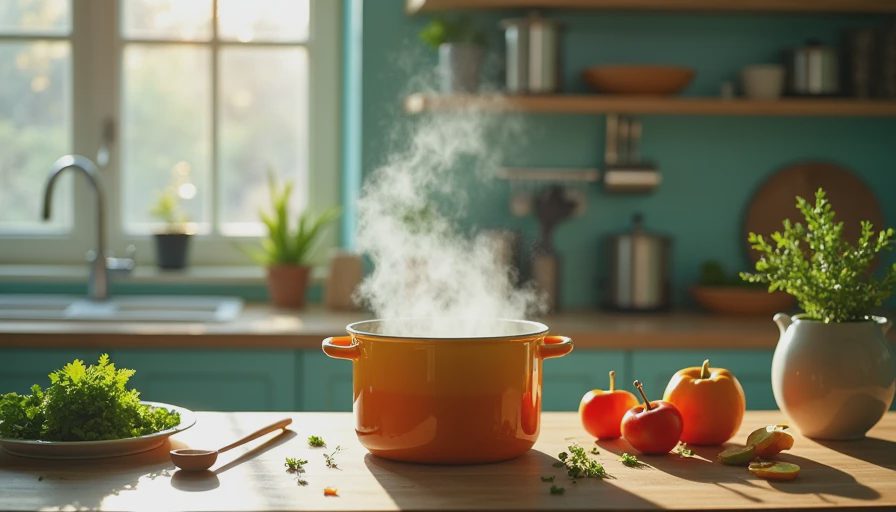
Put the chicken in a large pot and cover it with cold water. Bring the water slowly to a bare simmer over medium heat. You should see small bubbles around the edge, not a hard boil. When gray foam rises, skim it with a spoon and discard it. This first step takes about 10 minutes and gives the finished stock a cleaner taste.
Add the ginger, garlic, scallions, onion, and cooking wine. Lower the heat until the liquid barely trembles. Cover the pot halfway with a lid and cook for 60 to 90 minutes. Check the pot every 20 minutes. If the water drops below the chicken, add a little more hot water so the pieces stay mostly covered.
Avoid stirring. Stirring breaks up proteins and can make the broth murky, while a rolling boil can toughen the chicken and emulsify excess fat into the liquid. That may not matter for a rustic noodle bowl, but a quiet simmer gives you a cleaner, more balanced result. This is the small kitchen truth behind a reliable chicken stock chinese recipe: less activity usually makes better stock.
Strain the broth through a fine-mesh strainer into a heatproof bowl. Pull the meat from the bones while it is still warm, then save it for noodles, rice, dumplings, or sandwiches. Cool the stock promptly. Refrigerate it for up to four days, or freeze it in one-cup containers for up to three months.
Easy swaps for a regular grocery trip
No bone-in chicken? Use boneless thighs, but reduce the cooking time to about 45 minutes because they contribute less collagen and can become dry. A rotisserie chicken carcass is excellent; remove most of the skin first if you want a lighter broth. Turkey wings and leftover pork bones can also join the pot, though the flavor will change.
Fresh ginger is strongly recommended, but one teaspoon of frozen grated ginger is a useful backup. Green onions can replace scallions, and a peeled shallot can stand in for yellow onion. Vegetable broth can stretch the batch, but it will not have the same body as chicken stock. For a vegetarian version, simmer mushrooms, garlic, ginger, scallions, and kombu instead, then remove the kombu before boiling.
If you cannot find Shaoxing wine, use dry sherry or omit it. Do not replace it with sweet cooking wine unless you enjoy a sweeter broth. This chicken stock chinese recipe is forgiving because its core flavor comes from bones, aromatics, and time rather than one irreplaceable bottle.
Three fast ways to use the broth
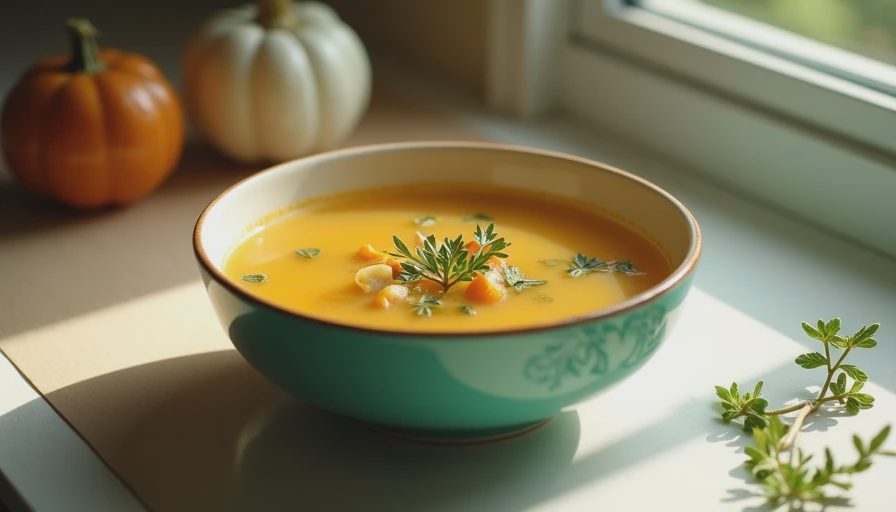
For a weeknight noodle bowl, warm two cups of stock with a teaspoon of soy sauce, a few drops of toasted sesame oil, and a handful of sliced vegetables. Add cooked noodles and shredded chicken. Keep the soup mild for children, then add chili crisp, white pepper, or sliced jalapeno at the table for adults. The result tastes intentional even when the noodles came from a package.
For congee, combine one cup of rinsed white rice with six cups of stock. Simmer uncovered for 45 to 60 minutes, stirring occasionally, until the grains split and the texture turns creamy. Top each bowl with scallions, shredded chicken, soy sauce, and a fried egg. This chicken stock chinese recipe gives congee enough savory depth that you do not need a long list of toppings.
For a quick sauce, reduce one cup of stock by half in a skillet. Add one tablespoon of soy sauce, one teaspoon of rice vinegar, and a cornstarch slurry made from one teaspoon cornstarch mixed with two teaspoons cold water. Toss with steamed broccoli, chicken, shrimp, or tofu. Keep the heat moderate after adding the slurry so the sauce turns glossy instead of gluey.
Storage, seasoning, and the finish
Taste the broth after straining, not before. Aromatics can make the pot smell powerful while the liquid still needs salt. Add salt in small pinches, tasting between additions. If the broth tastes heavy, add a few drops of rice vinegar. If it tastes thin, simmer it uncovered for 10 to 20 minutes to concentrate it.
Once chilled, a layer of fat may solidify on top. Remove some for a lighter soup, or keep it for extra richness in fried rice and braises. A chicken stock chinese recipe can be prepared on Sunday and divided into ice cube trays for small amounts needed in stir-fry sauces. Frozen cubes usually thaw in a hot pan within a few minutes.
The practical payoff is bigger than one pot of soup. You get cooked chicken for another meal, a freezer ingredient that saves time, and a base that helps plain vegetables or rice taste finished. Start with wings or a leftover carcass, keep the simmer gentle, and season at the end. Good food should fit real life, and this chicken stock chinese recipe is built for exactly that.


Travellers Write
No letters yet — be the first traveller to write.