When a plate of dumplings needs something more than soy sauce, chili oil for dumplings is the answer. It brings heat, fragrance, crunch, and just enough richness to make frozen grocery-store dumplings taste like a planned dinner instead of an emergency dinner. The best part is that you do not need a specialty pantry or a restaurant kitchen. A small saucepan, a heatproof bowl, and about 10 minutes will get you there.
This version is built for real home cooking. The oil is warm but not scorched, the garlic gets fragrant without turning bitter, and the seasoning is balanced enough for pork, chicken, shrimp, vegetable, or mushroom dumplings. Make a jar on Sunday and keep it ready for noodles, fried eggs, rice bowls, roasted vegetables, and leftover chicken.
What makes good chili oil for dumplings
Good chili oil is not simply oil mixed with ground pepper. The flavor comes from layering. Neutral oil carries the aroma, crushed red pepper provides heat, and small additions such as garlic, sesame seeds, soy sauce, and black vinegar give the sauce dimension. You want each ingredient to show up without one flavor flattening everything else.
Use a neutral oil with a high smoke point, such as canola, grapeseed, peanut, or vegetable oil. Olive oil is not my first choice here because its flavor can compete with the toasted spices. For the chili component, standard crushed red pepper flakes work perfectly. Korean-style red pepper flakes are also useful when you want a gentler, fruitier heat, but they are optional rather than a shopping requirement.
The key kitchen move is controlling the temperature. Oil that is barely warm will leave the flakes tasting dusty. Oil that is smoking will burn the garlic and pepper before their aroma develops. Aim for shimmering oil, not smoke. If you are unsure, drop one sesame seed into the pan. It should sizzle gently and steadily.

An easy pantry recipe
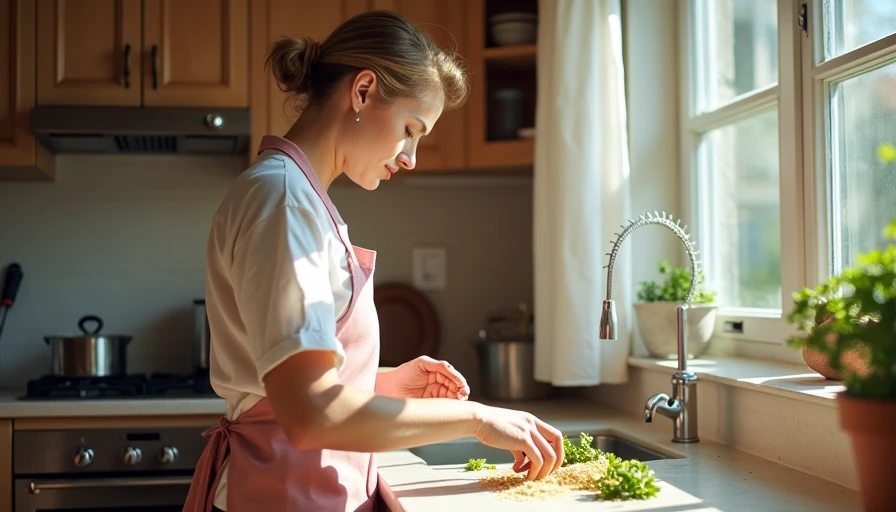
To make chili oil for dumplings, place 1/3 cup neutral oil in a small saucepan with two thin slices of fresh ginger and one smashed garlic clove. Warm it over medium-low heat for three to four minutes. You are infusing the oil, not frying the aromatics until dark. Remove the pan from the heat when the garlic smells sweet and the ginger looks lightly golden.
In a heatproof bowl, combine 2 tablespoons crushed red pepper flakes, 1 tablespoon sesame seeds, 1 finely minced garlic clove, 1 teaspoon sugar, and 1/4 teaspoon kosher salt. Carefully pour the hot oil over the mixture. It should bubble around the pepper flakes. Stir in 1 tablespoon soy sauce and 2 teaspoons black vinegar. If you do not have black vinegar, rice vinegar gives you a cleaner, brighter finish.
Let the mixture sit for at least five minutes before spooning it over dumplings. That pause matters because the flakes continue releasing color and aroma as the oil cools. The finished sauce should be red-orange, glossy, garlicky, and loose enough to drizzle. If it seems too thick, add another tablespoon of warm oil.
For a larger batch, double everything except the salt, then adjust at the end. A wide-mouth jar makes serving easy, but let the oil cool fully before covering it. Refrigerate leftovers in a clean, sealed container and use them within about a week for the best fresh garlic flavor.
How to adjust the heat and flavor
The first batch should be a starting point, not a test you can fail. For milder chili oil for dumplings, use 1 tablespoon red pepper flakes and replace the rest with extra sesame seeds or a pinch of sweet paprika. For more heat, add a small amount of cayenne or a chopped fresh Thai chile. Add heat gradually; it is much easier to increase it than to rescue a sauce that overwhelms dinner.
If the oil tastes flat, it probably needs acid or salt rather than more pepper. Add another teaspoon of black vinegar for tang, or a small splash of soy sauce for savory depth. A little sugar rounds the edges, especially when you serve the sauce with plain vegetable dumplings. Chopped scallions, cilantro, or roasted peanuts can go on top just before serving so they stay fresh and crisp.
For children or spice-sensitive adults, serve the sauce on the side. Start with a small spoonful beside each person’s dumplings instead of coating the whole plate. This keeps dinner flexible without making a separate meal.
The best way to serve it
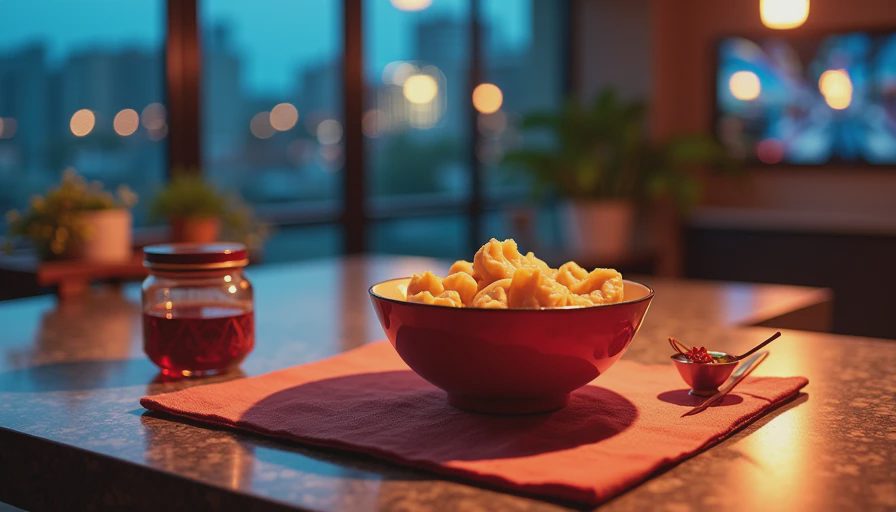
Steam, boil, or pan-fry the dumplings first, then move them to a warm plate. Spoon chili oil for dumplings over the top and add a few drops of vinegar after serving. When dumplings are pan-fried, the crisp bottoms already bring texture, so a light drizzle is enough. Steamed dumplings can handle a more generous spoonful because the soft wrappers absorb the sauce.
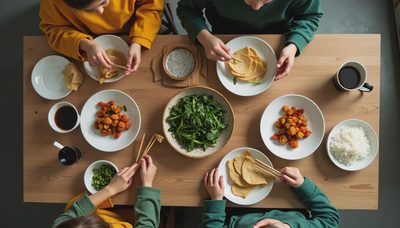
I like adding a quick dipping mixture at the table: two parts chili oil, one part soy sauce, and one part vinegar. For a family dinner, put scallions and sesame seeds in separate little bowls so everyone can build their own plate. This is especially useful when one person wants serious heat and another wants only a little color and garlic.
Do not pour the sauce onto dumplings too early if you want crisp edges. Steam softens the bottoms quickly. For the best contrast, serve the dumplings immediately and let each person add more sauce as they eat.
Smart shortcuts for busy nights
Frozen dumplings are a completely good choice. The sauce is where you can add personality, and no one needs to know whether the dumplings came from a freezer bag or a weekend folding project. Look for dumplings in the freezer aisle with pork, chicken, shrimp, tofu, or vegetable fillings, then use the cooking method on the package as your baseline.
You can also make chili oil for dumplings without fresh ginger. Add 1/4 teaspoon ground ginger to the pepper mixture, or skip it entirely and lean on garlic and sesame. Jarred minced garlic works in a pinch, though fresh garlic gives a cleaner aroma. If you are short on time, warm the oil, pour it over pepper flakes and sesame seeds, then finish with soy sauce and vinegar. That five-minute version still beats a plain plate of dumplings.
Use leftovers as a second dinner. Toss the sauce with cooked noodles and frozen peas, drizzle it over scrambled eggs, or mix a teaspoon into mayonnaise for a sandwich spread. A tablespoon stirred into broth can turn plain soup into a quick noodle bowl.
Troubleshooting the batch
If the chili oil for dumplings tastes bitter, the oil was likely too hot or the garlic browned too far. Start again with lower heat and remove the infused garlic before pouring. If it tastes harsh, add a pinch of sugar and a little more vinegar. If it is too salty, dilute it with neutral oil and use smaller spoonfuls at the table.
If the sauce is not spicy enough, do not immediately dump in a large amount of cayenne. Warm a tablespoon of oil separately, stir in extra pepper flakes, let it sit briefly, and mix that concentrated addition into the jar. This gives you more control over both heat and texture.
The goal is a sauce that makes dinner easier, not a condiment that demands perfect technique. Once you understand the temperature and balance, chili oil for dumplings becomes one of those dependable refrigerator staples you can make by feel. Good food should fit real life, and this sauce is proof that a few ordinary ingredients can carry a whole weeknight meal.
Travellers Write
No letters yet — be the first traveller to write.