Learning how to cut bok choy stir fry is one of those small kitchen skills that makes a quick dinner noticeably better. Cut it the wrong way and the leaves wilt before the thick stems soften. Cut it with a little intention, and every bite gets a mix of crisp texture, tender greens, and sauce. You do not need a wok, special knife, or restaurant burner. A large skillet and a few minutes of prep are enough.
Bok choy is especially friendly for weeknight cooking because the entire vegetable is edible. The white stalks have a clean, juicy crunch, while the green leaves cook in seconds. The trick is to separate those parts by cutting rather than throwing everything into the pan at once. Good food should fit real life, and this is a very manageable bit of prep.
Choose and wash the bok choy first
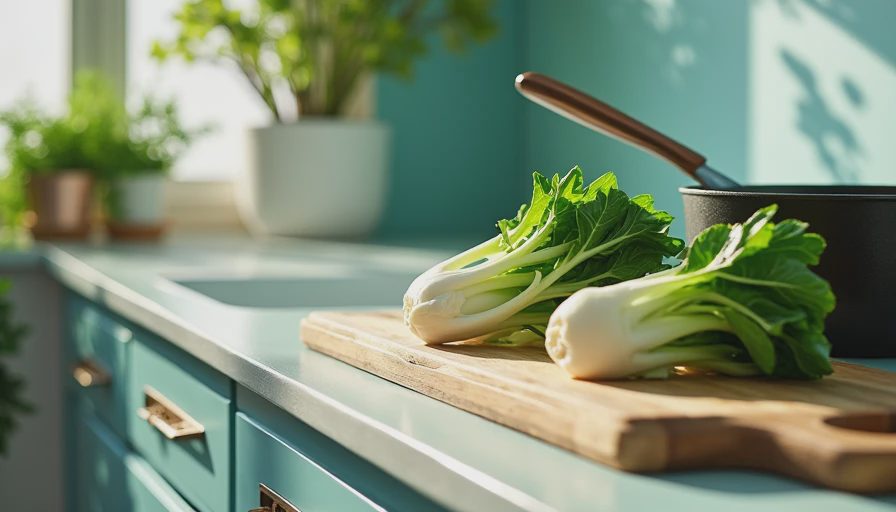
Look for bok choy with firm, pale stalks and leaves that are green and lively. Avoid bunches with slimy ends, deeply bruised leaves, or stalks that bend easily. Baby bok choy works beautifully for roasting and halving, but standard bok choy is often easier for a family-size stir-fry because the stalks produce substantial pieces.
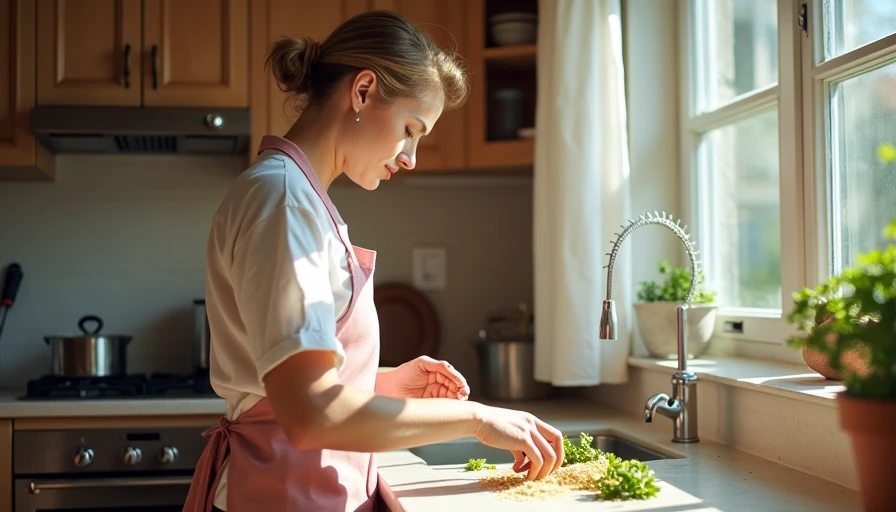
To wash it, trim off the dry bottom end, then separate the stalks. Dirt often hides in the tight base, so rinsing only the outside is not enough. Swish the pieces in a bowl of cold water, lift them out, and drain well. Excess water can cool the skillet and make the vegetables steam instead of sear. A salad spinner helps, but a clean kitchen towel works too. Let the bok choy air-dry while you prepare the sauce and other ingredients.
If the stalks are very wide, slice them lengthwise once or twice. You are aiming for pieces that cook quickly, not tiny shreds that disappear. Keeping the leaves in larger pieces also gives the finished stir-fry a more satisfying texture.
How to cut bok choy stir fry pieces
For the best results, think of the vegetable as two cooking times in one. Stack a few washed stalks and cut them crosswise into pieces about 1 inch wide. Keep the white stalk pieces in one pile. Then gather the leaves and cut them into broad ribbons or rough 2-inch pieces. There is no need for perfect knife work; consistent size matters more than attractive shapes.
When I explain how to cut bok choy stir fry vegetables, I focus on thickness rather than exact measurements. A stalk slice that is about half an inch thick will soften quickly while keeping some bite. Very thick chunks can stay raw in the middle, especially in a standard stainless-steel skillet. Paper-thin slices cook fast but can turn watery and limp.
For baby bok choy, cut each head in half or quarters through the base after washing. If the base is gritty, trim away just enough to loosen the leaves without removing the whole core. Baby heads can go cut-side down into the pan first, followed by the leafy tops. This method looks a little more polished, but chopped standard bok choy is easier to toss with noodles, rice, chicken, shrimp, or tofu.
Build the stir-fry in the right order
Before the pan gets hot, put every ingredient beside the stove. Stir-frying moves quickly, and stopping to measure soy sauce while the garlic burns is not a character-building exercise. For a simple sauce, combine 3 tablespoons low-sodium soy sauce, 1 tablespoon rice vinegar, 1 teaspoon toasted sesame oil, 1 teaspoon brown sugar, and 2 tablespoons water. Add a teaspoon of cornstarch if you want a glossy coating, but mix it thoroughly so it does not settle.
Heat a large skillet or wok over medium-high heat. Add 1 tablespoon neutral oil, such as canola, avocado, or grapeseed oil. Cook sliced garlic and ginger for about 20 seconds, just until fragrant. Add the bok choy stems first and stir frequently for 2 to 3 minutes. They should brighten and begin to soften around the edges.
Add the leaves next. Pour in the sauce and toss for another 1 to 2 minutes, until the leaves collapse and the stems are tender-crisp. If the pan looks dry before the stems soften, add 1 or 2 tablespoons of water and cover it briefly. That small burst of steam protects the leaves without turning the whole dish soggy.
Protein and pantry-friendly additions
This basic method gives you plenty of room to make dinner more filling. Thinly sliced chicken breast cooks quickly, but boneless chicken thighs stay juicier and are more forgiving. Cook the chicken first, transfer it to a plate, then stir-fry the bok choy and return the meat with the sauce. For shrimp, wait until the aromatics are fragrant, cook the shrimp until pink, remove them, and add them back at the end.
Extra-firm tofu is another dependable choice. Pat it dry, cube it, and brown it in oil before cooking the vegetables. You can also use leftover rotisserie chicken, sliced steak, edamame, or a fried egg on top. Carrots, mushrooms, bell peppers, and snap peas belong in the pan with the bok choy stems because they need more time. Scallions, cilantro, roasted peanuts, or sesame seeds can finish the dish without creating another cooking project.
If your family prefers a gentler flavor, reduce the garlic and leave out crushed red pepper. A little extra brown sugar can round out the sauce for children, while chili crisp or hot sauce can be added to individual bowls instead of the main skillet.
Common cutting mistakes to avoid
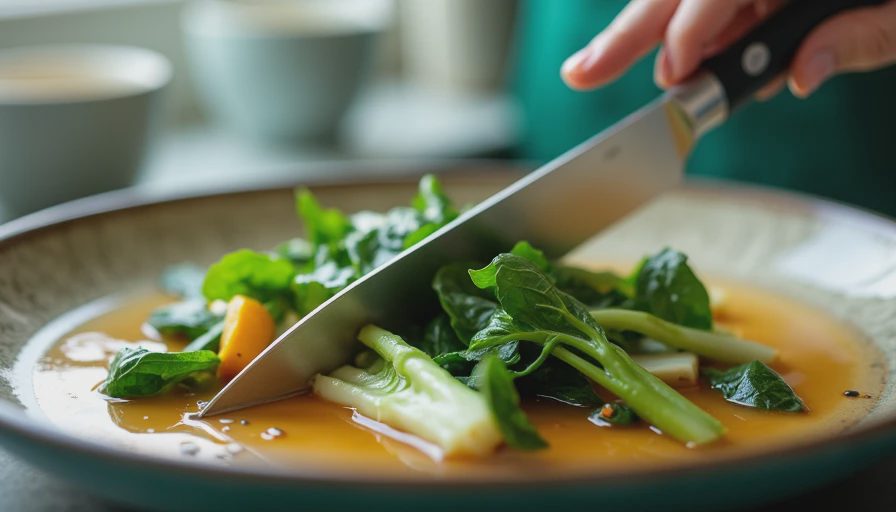
One common mistake is chopping the entire bunch into identical pieces. The leaves will cook almost immediately, while the dense bases need several minutes. Separating them is the biggest improvement you can make. Another mistake is leaving the bok choy soaking after it has been cut. It absorbs water and releases more liquid into the skillet, which weakens the sauce.
Overcrowding also works against you. A pound of bok choy fits comfortably in a large 12-inch skillet, but adding chicken, noodles, and several other vegetables at the same time can create a pile that steams. Cook the protein separately or use two batches. The goal is contact with the hot pan, not a mountain of vegetables sitting above it.
When deciding how to cut bok choy stir fry ingredients for leftovers, make the stalks slightly thicker than you would for immediate serving. They will soften further when reheated. Store leftovers in a shallow container and refrigerate within two hours. They keep well for about three days and can be reheated in a skillet or microwave, though the leaves will be softer the second time.
A simple weeknight formula
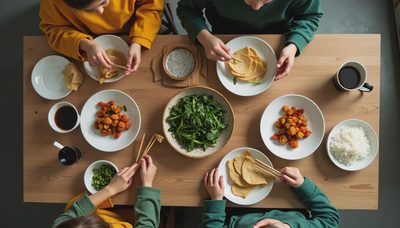
For two adults and two children, start with about 1 1/2 pounds of bok choy, 12 ounces of chicken or tofu, and 8 ounces of cooked rice or noodles. Cut the bok choy, mix the sauce, and prepare the protein before turning on the heat. That sequence takes roughly 10 minutes and prevents the frantic mid-stir-fry scramble.
The short version of how to cut bok choy stir fry vegetables is simple: wash well, separate stalks from leaves, slice the stalks into even pieces, and keep the leaves larger. Cook the dense pieces first and add the greens near the end. Once you use that rhythm a couple of times, you can stop watching the clock and start cooking by texture. That is the real advantage of how to cut bok choy stir fry properly: dinner becomes faster, more balanced, and much easier to repeat.

Travellers Write
No letters yet — be the first traveller to write.