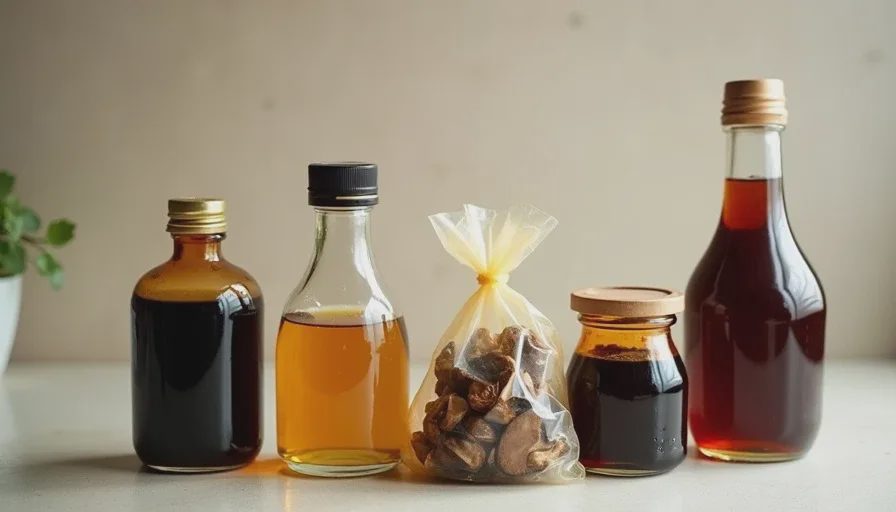
The first time I took Daniel to an Asian market, he stood in front of the soy sauce aisle for about ten minutes and said, “This is a lot.” He was right. A good Asian grocery store is full of incredible ingredients, but if you don’t know what you’ll actually use, it’s easy to spend forty dollars on bottles that sit in the pantry for a year. That’s why I have a simple rule for what to buy at an Asian market: only buy what you already know you’ll cook with, and skip the rest until you have a reason.
I’m not saying you shouldn’t explore. I love wandering the aisles, looking at produce I don’t recognize and sauces I’ve never tasted. But when it comes to actually spending money, I stick to a short list. Here’s what I tell friends who want to make one good Asian market run without filling their pantry with orphaned ingredients.
Why One Trip Is Enough to Start
You don’t need a fully stocked Asian pantry to make good Chinese-inspired food at home. Most of your weeknight cooking can happen with regular grocery store ingredients. But there are a few items that are harder to find in a standard American supermarket, and an Asian market is the best place to get them. One focused trip can cover those items for months.
What You Can Already Get at a Regular Store
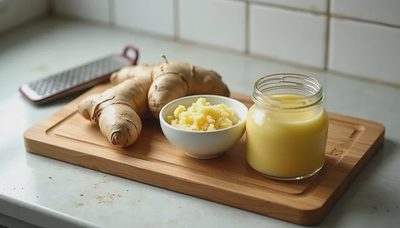
Before you go, remember this: soy sauce, sesame oil, cornstarch, ginger, garlic, and rice are all available at most regular grocery stores. You don’t need to drive to an Asian market for those. The trip is for the extras that add depth and variety once you’re comfortable with the basics.
What’s Worth Buying Once
These are the items I recommend putting on your list. They’re all shelf-stable, reasonably priced, and useful across many different dishes.
1. Dark Soy Sauce
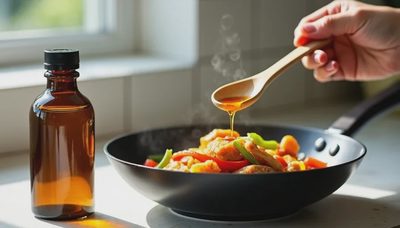
This is the one bottle I couldn’t find easily at my regular supermarket for a long time. Dark soy sauce is thicker and less salty than regular soy sauce. It adds a deep brown color to stir-fries and braised dishes without making them too salty. A little goes a long way. If you make beef and broccoli or char siu-style chicken, dark soy gives you that takeout look.
2. Shaoxing Wine
Shaoxing wine is a Chinese cooking wine made from rice. It adds a savory depth that’s hard to replace. You can use dry sherry as a substitute, but if you’re already at an Asian market, a bottle of Shaoxing wine is worth picking up. It lasts for months in the pantry, and you only need a splash at a time. I use it in stir-fries, marinades, and braises.
3. Dried Shiitake Mushrooms
Dried shiitakes are one of my favorite things to keep in the pantry. They’re cheaper than fresh mushrooms, and they add a rich, meaty flavor to soups, rice dishes, and stir-fries. You soak them in hot water to rehydrate, and that soaking liquid becomes an instant broth. A small bag lasts a long time. I use them in everything from weeknight noodle soups to a simple rice pot.
4. Chili Bean Paste (Doubanjiang)
If you like mapo tofu or want a more complex heat than plain chili flakes, chili bean paste is worth buying. It’s made from fermented broad beans and chili peppers, and it gives dishes a salty, spicy, slightly funky depth. A jar lasts for months in the fridge. I use it in mapo tofu, stir-fried vegetables, and sometimes a spoonful in a marinade for extra character.
5. Black Vinegar (Chinkiang Vinegar)
Black vinegar is different from rice vinegar. It’s darker, slightly smoky, and has a mild sweetness. It’s great in dipping sauces, cold noodle dressings, and braised dishes. If you like dumplings, a tiny splash of black vinegar with soy sauce and sesame oil is a simple sauce that tastes way better than it should. One bottle will last a long time because you only need a little.
6. Sesame Paste or Tahini
Chinese sesame paste is made from toasted sesame seeds and has a deep, nutty flavor. It’s used in cold noodle dishes and some sauces. If you can’t find Chinese sesame paste, tahini is a decent substitute, but the flavor is milder. I use sesame paste in a cold sesame noodle dish I make in the summer. A jar lasts a while, but it’s not an everyday ingredient for most people.
What You Can Skip for Now
There’s a whole aisle of things you don’t need yet. Here’s what I usually tell people to skip until they have a specific recipe in mind.
1. Fish Sauce
Fish sauce is a great ingredient, but it’s not essential for the kind of Chinese-inspired cooking I do most. It shows up more in Southeast Asian cuisines. If you don’t have a recipe that calls for it, skip it. You can always buy it later.
2. Specialized Noodles
Asian markets have a huge variety of noodles, and it’s tempting to buy several. But if you’re still learning the basics, regular spaghetti or linguine can work for many noodle dishes. When you have a specific noodle recipe you want to make, then go back and buy the right kind. Otherwise, you end up with half-open bags in the pantry.
3. Multiple Types of Soy Sauce
It’s easy to walk out with light soy, dark soy, mushroom soy, sweet soy, and more. Most home cooks only need one regular soy sauce to start, plus maybe a dark soy for color. Save the rest for later.
4. Exotic Vegetables
Asian markets have beautiful produce, but if you don’t know how to cook it, it’ll wilt in the fridge. Start with things you recognize: baby bok choy, napa cabbage, snow peas, and scallions are all approachable and easy to use. Leave the more unusual greens for when you have a plan.
5. Dried Seafood
Dried shrimp, dried scallops, and other dried seafood are wonderful, but they’re not beginner ingredients. They have strong flavors and need specific techniques. Skip them until you have a recipe that asks for them.
How to Make the Trip Without Getting Overwhelmed
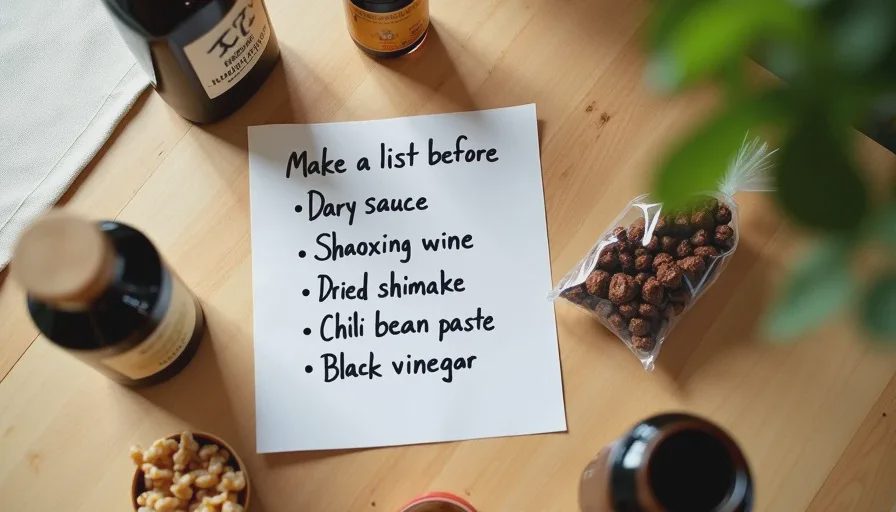
Here’s my actual advice for a first trip: make a list before you go. Write down the six items above, plus any specific ingredient a recipe you already trust calls for. Don’t browse and make decisions on the spot. That’s how you end up with three kinds of chili sauce and no idea what to do with them.
Start Small and Use What You Buy
The point of an Asian market trip is not to stock a restaurant kitchen. It’s to add a few high-impact ingredients to your existing pantry. When you get home, put the dark soy sauce and Shaoxing wine somewhere you can see them. Use the dried mushrooms in a soup. Open the black vinegar next time you make dumplings. The more you use these ingredients, the more comfortable you’ll feel.
When to Go Back
You’ll know you’re ready for a second trip when you start noticing what’s missing. Maybe you made a recipe that called for fish sauce. Maybe you wanted a specific kind of noodle. That’s the time to go back. Now you have a reason, and you won’t be guessing.
The Small Pantry That Works
My Asian market staples are still pretty small. I keep dark soy sauce, Shaoxing wine, dried shiitakes, chili bean paste, and black vinegar. That’s it. Those five things, plus my regular grocery store basics, let me make a huge range of Chinese-inspired dinners. I don’t need every sauce on the shelf. I need the ones I know how to use.
That’s the whole point. A well-stocked pantry isn’t about quantity. It’s about knowing what you have and what it does. One good Asian market trip can set you up for months. Just keep the list short, skip what you don’t know, and save the exploration for later.
Good food should fit real life. Even the pantry should be practical.
Travellers Write
No letters yet — be the first traveller to write.