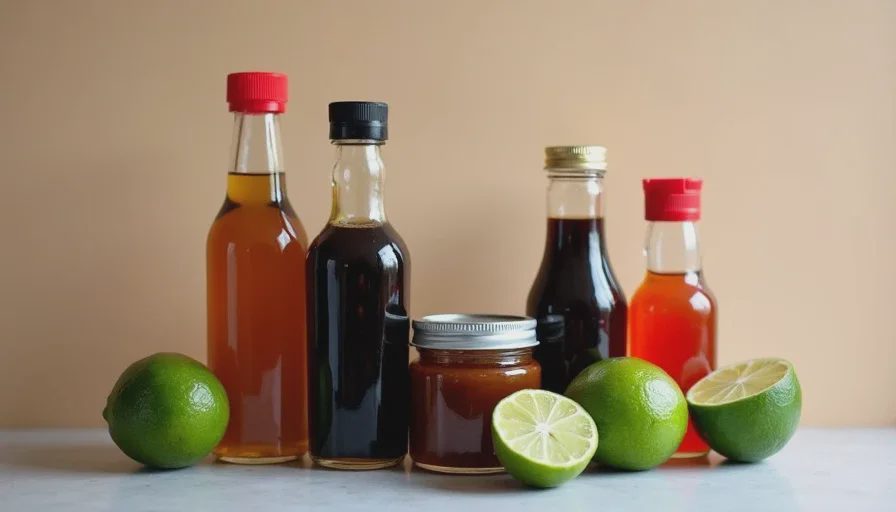
I’ve never been the kind of cook who sends you on a scavenger hunt for one teaspoon of an ingredient. That’s not how real weeknight cooking works. When I worked in restaurant kitchens, we had a pantry stocked by a supplier. At home, I have whatever the regular grocery store down the street carries, and sometimes that means I need to get creative. These Chinese cooking substitutes are the ones I actually reach for—not because they’re perfect, but because they get the job done without making me drive to three different stores.
The key to a good substitution is understanding what the original ingredient does. Is it there for salt? Sweetness? Acidity? Color? Once you know that, you can make a smart swap with something you already have. Here are five substitutes I use most often.
1. Shaoxing Wine → Dry Sherry or Chicken Broth
Shaoxing wine adds a subtle savory depth to stir-fries and sauces. It’s not a strong alcoholic flavor; it’s more of a background note that rounds everything out. If you don’t have it, dry sherry is the closest substitute you’ll find in a regular American grocery store. Use it one-to-one. The flavor isn’t identical, but it’s close enough that most people won’t notice.
If you don’t want alcohol at all, use chicken broth or vegetable broth with a tiny pinch of sugar. The broth gives you the savory liquid, and the sugar softens it just enough. I’ve used this swap plenty of times on a Tuesday when I didn’t want to open a bottle of sherry for a single dish.
2. Oyster Sauce → Soy Sauce + Hoisin or Soy Sauce + Sugar
Oyster sauce brings a savory, slightly sweet, almost caramel-like richness to a dish. It’s one of those ingredients that’s hard to replace exactly, but you can get close.
My favorite swap is equal parts soy sauce and hoisin sauce. Hoisin is sweet and salty, so it covers both sides of what oyster sauce does. If you don’t have hoisin, use soy sauce with a pinch of sugar and a tiny splash of water. Start with one tablespoon soy sauce, one teaspoon sugar, and a few drops of water. Taste it. You won’t get the same depth, but the dish won’t taste flat.
One thing I don’t recommend: using fish sauce as a direct substitute. Fish sauce is much saltier and much more pungent. A few drops can work in some dishes, but it’s not a one-to-one swap for oyster sauce.
3. Dark Soy Sauce → Regular Soy Sauce + a Little Molasses
Dark soy sauce is mostly about color. It adds a deep brown hue without making the dish too salty. If you skip it, your beef and broccoli might look a little lighter, but it will still taste good. If you want that color, mix regular soy sauce with a small amount of molasses or brown sugar.
For a small stir-fry, I’ll use two teaspoons of regular soy sauce with about a quarter teaspoon of molasses. The molasses gives you the dark color and a little sweetness without overpowering the dish. Brown sugar works too, but it dissolves faster and doesn’t darken as much. This is a good swap when you want a takeout-style look without keeping another bottle in the fridge.
4. Chili Bean Paste → Chili Garlic Sauce + Soy Sauce
Chili bean paste, sometimes called doubanjiang, is salty, spicy, and fermented. It’s a staple in dishes like mapo tofu. If you don’t have it, chili garlic sauce is a decent backup. It doesn’t have the fermented depth, but it brings heat and garlic.
I mix chili garlic sauce with a little soy sauce to boost the salt and a tiny bit of sugar to round it out. For about a tablespoon of chili bean paste, I’ll use two teaspoons chili garlic sauce, one teaspoon soy sauce, and a pinch of sugar. It won’t fool anyone who eats mapo tofu every week, but on a school night, it works.
5. Rice Vinegar → Lime Juice or Mild White Vinegar
Rice vinegar is mild and slightly sweet. If you run out, lime juice is my favorite substitute. It’s bright and a little citrusy, which works beautifully in stir-fries and dipping sauces. Use a little less lime juice than the recipe calls for, because lime can be sharper than rice vinegar.
If you don’t have lime, a mild white vinegar or even apple cider vinegar can work. Start with half the amount and taste before you add more. The goal is to add brightness, not to make the dish taste like a pickle.
A Few Things to Remember
Substitutes aren’t about being perfect. They’re about keeping dinner moving. Here are a few rules I follow when I’m swapping ingredients on a weeknight.
Start Small
If you’re replacing something you’ve never cooked with, add less than you think you need. You can always add more, but you can’t take it out. This is especially true with vinegars and salty sauces.
Taste Before You Serve
The best substitution in the world still needs a taste check. Salt levels vary from brand to brand, and what works in my kitchen might not work in yours. Dip a spoon in the sauce, taste it, and adjust.
Don’t Let a Missing Ingredient Stop You
I’ve seen too many home cooks abandon a dinner plan because they didn’t have one thing on a list. That’s a recipe for takeout. If you understand the basics—salt, sweet, acid, heat—you can almost always find a way forward. That’s what this whole site is about.
Keep Cooking, Not Chasing Ingredients
The best Chinese-inspired meals I’ve made at home didn’t come from a perfectly stocked pantry. They came from the pantry I had. Once you know what a few key ingredients do, you can swap with confidence instead of running across town for a bottle you’ll use twice.
Good food should fit real life. Substitutions are part of that.
Travellers Write
No letters yet — be the first traveller to write.