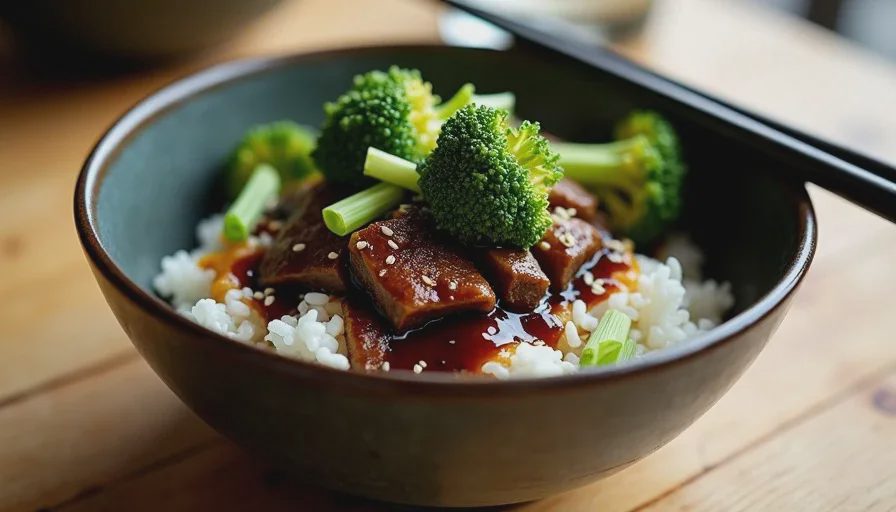
The first time I tried to make takeout-style beef and broccoli at home, I did what most people do: I dumped everything into a skillet and hoped for the best. The beef turned gray, the broccoli went limp, and the sauce was thin and watery. It didn’t taste like takeout. It tasted like a Tuesday night mistake. The problem wasn’t the recipe. It was the pan. I had overcrowded it.
Overcrowding is the single most common reason home stir-fries fail, and it shows up everywhere—especially with beef and broccoli. When I worked on a restaurant wok station, I never piled the whole order into the pan at once. I cooked in small batches, and that’s exactly what I want to teach you here. Once you understand this one habit, takeout-style beef and broccoli becomes a realistic weeknight dinner.
Why Overcrowding the Pan Ruins Beef and Broccoli
You don’t need a wok. You don’t need a high-output burner. But you do need space in the pan. When you crowd the pan with too much cold meat, the temperature drops. The beef doesn’t sear; it steams. And steaming is why home beef and broccoli often looks pale and tastes flat.
What Happens When You Crowd the Pan
Beef releases moisture as it cooks. If the pan is crowded, that moisture has nowhere to go. It pools around the meat, lowers the heat, and creates a boiling effect. Instead of browning, the beef turns gray and rubbery. Then you add the broccoli, and it steams instead of toasting. By the time you add the sauce, everything is soft and watery.
The Restaurant Solution: Batch Cooking
In a restaurant kitchen, we don’t have a magic trick. We just don’t cook more than the pan can handle at once. For a home skillet, that usually means cooking the beef in two or three small batches. It takes a few extra minutes, but the difference is huge. Each batch gets the full heat, develops a browned crust, and leaves behind little caramelized bits that flavor the rest of the dish.
How to Prep Beef for a Takeout-Style Sear
The way you cut and treat the beef matters just as much as the heat.
Choose the Right Cut
I use flank steak or sirloin. Both are lean enough to sear quickly and tender enough if you slice them correctly. Flank steak has a good beefy flavor and doesn’t cost much. If you can’t find it, sirloin works fine. Avoid stewing cuts like chuck for this dish—they need low, slow cooking.
Slice Against the Grain
Look for the visible lines of muscle fiber running through the meat. Slice across those lines, not parallel to them. This shortens the muscle fibers and makes the beef easier to chew. If you slice with the grain, the strips will be stringy no matter how well you cook them.
A Quick Coating Helps
For a takeout-style texture, I toss the sliced beef with a small mixture of soy sauce, cornstarch, and a splash of oil. This is sometimes called velveting, but you don’t need to overcomplicate it. The cornstarch helps the beef brown and keeps it tender. The soy adds a little salt and color. The oil keeps the slices from sticking together. Let it sit while you prep the broccoli and sauce.
The Sauce That Tastes Like Takeout
Beef and broccoli sauce is not complicated. The key is balance: salty, a little sweet, and thick enough to cling.
Here’s a simple sauce I use at home:
2 tablespoons soy sauce
1 tablespoon oyster sauce, or 1 extra tablespoon soy sauce plus a pinch of sugar
1 teaspoon sugar
1 teaspoon cornstarch mixed with 2 tablespoons water
1/2 teaspoon sesame oil, added at the end
Why Oyster Sauce Helps, but Isn’t Required
Oyster sauce adds a savory, slightly sweet richness that makes the dish taste closer to restaurant takeout. But if you don’t have it, don’t stop cooking. You can get a similar effect with extra soy sauce and a little sugar. The dish won’t be exactly the same, but it will still be good.
Mix the Sauce Before You Start
Whisk everything together in a small bowl before the pan gets hot. The cornstarch should be fully dissolved. This is a restaurant habit: sauce always gets mixed ahead of time. Once your pan is hot, you don’t have time to stop and measure.
Cooking in Stages Without Extra Pans
You only need one skillet for this. The key is to cook in stages and use a plate to hold the beef between batches.
1. Sear the Beef in Batches
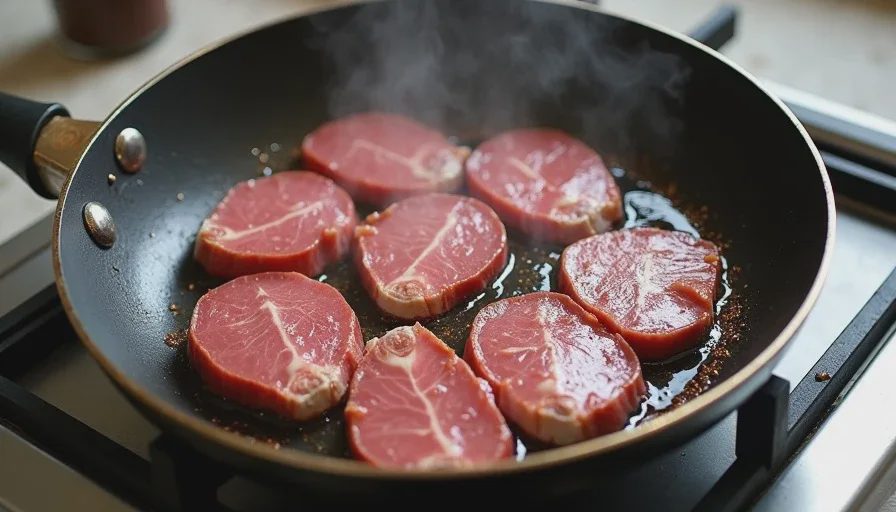
Heat your skillet over medium-high heat. Add a thin layer of oil. When the oil shimmers, add a handful of beef. Don’t pile it in. Let it cook undisturbed for about a minute, then flip and cook for another 30 to 45 seconds. It should be browned but not fully cooked through. Transfer to a plate. Repeat with the remaining beef.
2. Cook the Broccoli and Aromatics
After the beef is out, add a little more oil. Drop in sliced garlic and ginger, stir for about fifteen seconds, then add the broccoli. Toss it in the pan drippings and let it pick up some color. If the pan looks dry, add a tablespoon or two of water. The steam will help the broccoli cook without turning it soft.
3. Return the Beef and Add the Sauce
Put the beef back into the pan. Pour the sauce around the edges, not directly on top. Toss everything together over medium-high heat until the sauce thickens and coats the beef and broccoli. This usually takes less than two minutes. The sauce should look glossy, not watery.
The Timing That Makes It Work
This entire dish, from slicing to serving, should take about 30 minutes. That includes prep. The trick is to do all the cutting and mixing before you turn on the heat.
Start your rice before you begin the beef. White rice takes about eighteen minutes, which lines up almost exactly. By the time the beef and broccoli is done, the rice is ready.
Don’t Skip the Sesame Oil
Add a few drops of sesame oil after you turn off the heat. It gives the dish that toasty, nutty aroma that takeout has. If you add it during cooking, it burns and turns bitter. That’s a small detail that makes a big difference.
Make It a Real Weeknight Dinner
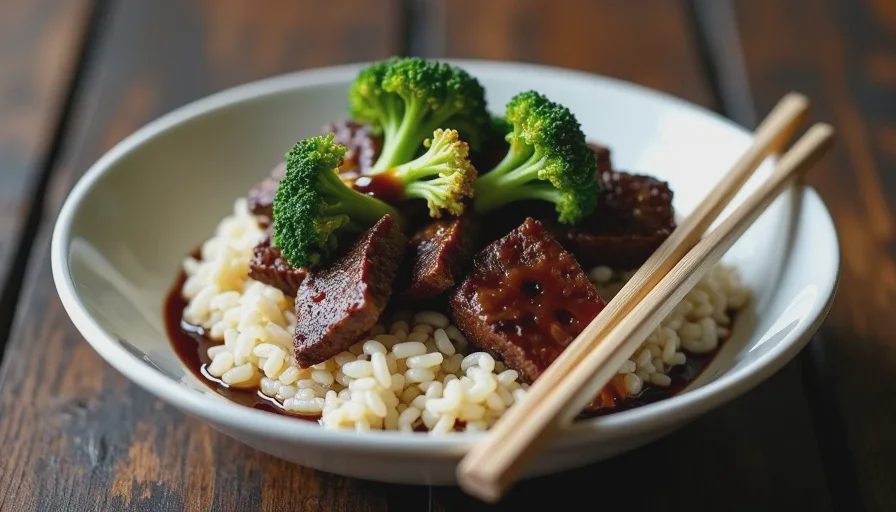
Takeout-style beef and broccoli doesn’t need to be a special project. Once you learn to work in batches and respect the pan, it becomes one of the fastest dinners in your rotation. The beef gets a real sear. The broccoli stays bright and slightly crisp. The sauce clings to everything. That’s what you’re after.
Good food should fit real life. This dish proves it.
Travellers Write
No letters yet — be the first traveller to write.