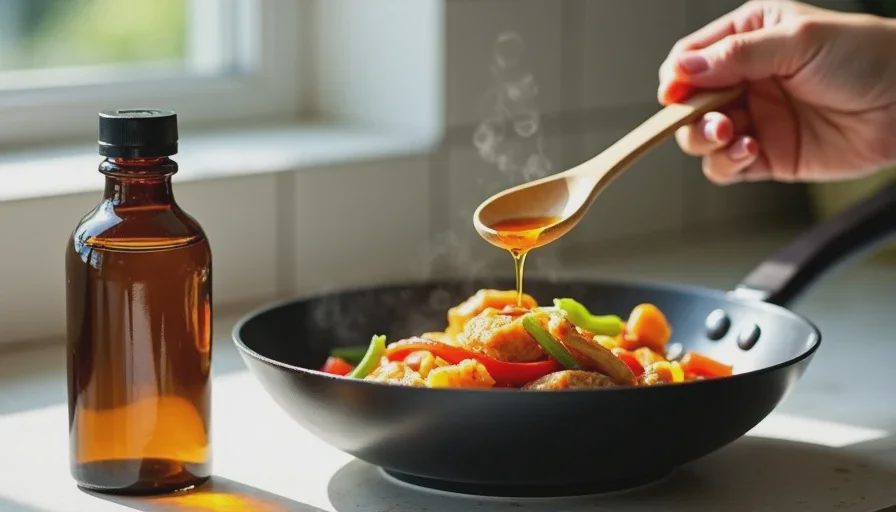
Sesame oil is one of those ingredients that home cooks either ignore or overuse. Some people buy a bottle because a recipe called for it, then let it sit in the pantry for two years. Other people pour it into a hot pan, fill the kitchen with smoke, and wonder why dinner tastes bitter. I’ve been both of those people. After years of cooking in Chinese and fusion restaurant kitchens, I can tell you the truth about sesame oil: it’s not a cooking oil, and it’s not a flavor you need in every dish. But used correctly, a few drops can make a good dinner taste more complete.
The mistake most people make is treating sesame oil like vegetable oil or olive oil. It’s not. It’s a seasoning. Think of it like vanilla extract or a squeeze of lemon at the end. You don’t cook with it. You finish with it.
Why Sesame Oil Is Not a Cooking Oil
This is the number one thing I want you to remember: sesame oil has a low smoke point. That means it burns at a much lower temperature than canola, peanut, or vegetable oil. When it burns, it turns bitter and acrid. The nutty flavor you bought it for disappears, and all you’re left with is a burnt aftertaste that clings to the pan and the food.
What Happens in a Hot Pan
The sesame oil you buy in the Asian aisle is usually toasted sesame oil. That means the sesame seeds were roasted before they were pressed. That roasting gives the oil its deep amber color and strong aroma, but it also makes the oil fragile. If you pour it into a hot wok or skillet, it breaks down fast. The smoke point is roughly 350°F to 410°F depending on the brand, but a hot pan can easily exceed that. The result is a bitter, slightly burnt flavor that no amount of sauce can fix.
I learned this the hard way on a restaurant line. I once used sesame oil to start a stir-fry because it was the closest bottle to my hand. The whole station smelled like scorched nuts, and the chef asked me if I was trying to make the kitchen smell like a campfire. That was the last time I cooked with it.
What to Cook With Instead
For high-heat cooking, use a neutral oil with a higher smoke point. My go-to is peanut oil because it has a clean flavor and handles heat well. But canola, vegetable, or avocado oil all work. Start your pan with one of those. Save the sesame oil for the very end.
Where Sesame Oil Actually Matters
The good news is that sesame oil has a real role in home Chinese cooking. You just need to know where it belongs.
At the End of a Stir-Fry
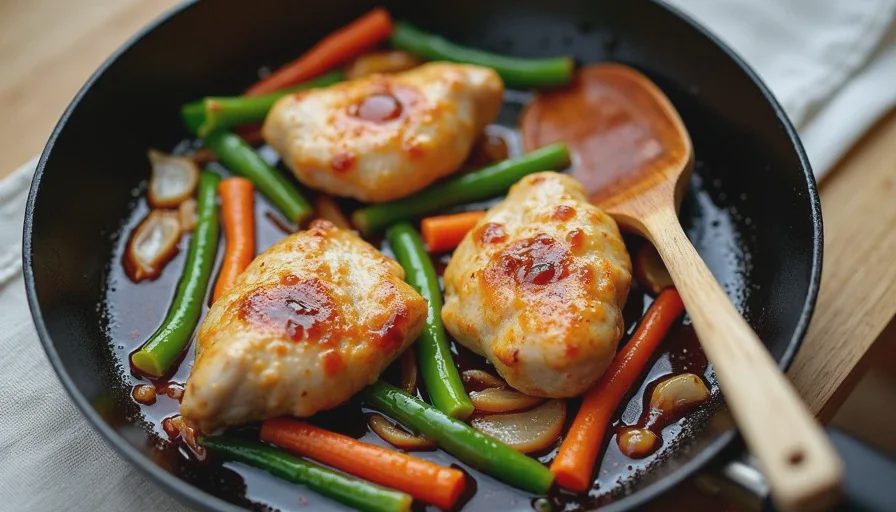
When your stir-fry is done and the heat is off, add a few drops of sesame oil and toss. The residual heat releases the aroma without burning the oil. You get that toasty, nutty lift that makes the dish smell like something from a restaurant. This works on beef and broccoli, ground pork cabbage bowls, noodle stir-fries, and pretty much any savory Chinese-inspired dish.
You don’t need much. For a pan that serves four, half a teaspoon to a teaspoon is plenty. Add too much, and the sesame flavor takes over everything else.
In Dipping Sauces
Sesame oil shines in cold or room-temperature sauces. A simple dumpling dipping sauce might be soy sauce, rice vinegar, a tiny bit of sugar, and a few drops of sesame oil. The oil rounds out the sharpness and adds a nutty richness that makes the sauce feel more complex than it really is. I use this trick all the time for potstickers or quick cucumber salads.
In Cold Noodle Bowls
If you’re making a cold noodle dish, sesame oil is a key player. It coats the noodles and gives them a silky texture without making them greasy. I toss cooked and drained noodles with a little sesame oil before adding the sauce. This also keeps the noodles from sticking together. That’s a restaurant trick that works especially well with rice noodles or wheat noodles.
In Porridge or Soup
A few drops of sesame oil in a bowl of rice porridge or a simple egg drop soup adds a layer of warmth without overwhelming the dish. This is something I picked up from Chinese home cooking, not restaurant work. It’s the kind of small gesture that makes a simple bowl feel more thoughtful.
What Sesame Oil Doesn’t Do
It’s also worth knowing what sesame oil can’t do, so you don’t waste it.
It Doesn’t Tenderize Meat
Some people think sesame oil helps soften meat. It doesn’t. Cornstarch and a little soy sauce do that. Sesame oil adds fragrance, not tenderness.
It Doesn’t Replace Soy Sauce
Sesame oil is not salty. It won’t season your food the way soy sauce does. If you add more sesame oil thinking it will boost the flavor, you’ll end up with a slick, bitter dish. It’s an accent, not a base.
It Doesn’t Work in Every Recipe
Not every dish needs sesame oil. If you’re making a light vegetable stir-fry with lemon and garlic, sesame oil might clash. If you’re making a tomato-egg dish, a few drops can be nice, but too much feels heavy. Use it where you want a nutty undertone. If you’re not sure, start with one or two drops and taste.
How to Buy Sesame Oil Without Overthinking
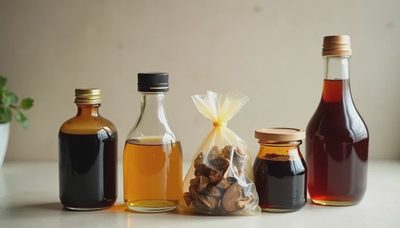
The good news is that you only need one bottle, and it doesn’t have to be expensive. Look for “toasted sesame oil” in the Asian section of your regular grocery store. The oil should be dark amber in color. That’s the one with the flavor you want.
I don’t recommend buying refined or light sesame oil for Chinese-inspired cooking. It has a higher smoke point, but it doesn’t have the flavor that makes sesame oil worth having. If you want a neutral cooking oil, use peanut or canola. If you want sesame flavor, use toasted sesame oil. Don’t try to split the difference.
How Long a Bottle Lasts
Sesame oil doesn’t last forever. Because it’s made from toasted seeds, it can go rancid over time. If the bottle has been in your pantry for more than a year, open it and smell it. Fresh sesame oil smells nutty and warm. Rancid sesame oil smells like old oil or stale crackers. If it smells off, throw it out.
I keep my sesame oil in the fridge if I know I won’t use it quickly. It might get cloudy in the cold, but that’s fine. It will clear up at room temperature. The fridge just slows down the oxidation and keeps the flavor fresher longer. If you use it regularly, a cool pantry shelf is fine.
A Simple Way to Taste the Difference
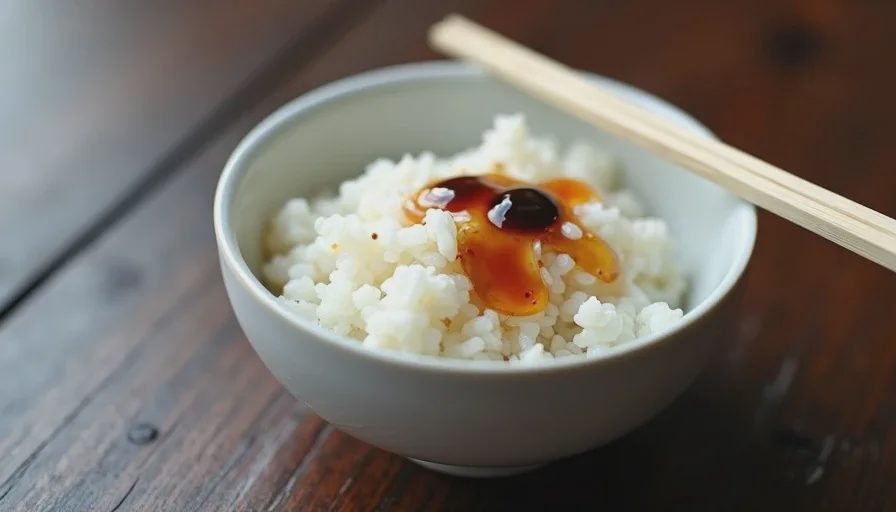
If you’ve never used sesame oil as a finishing oil, try this: make a small bowl of plain rice. Add a few drops of sesame oil and a tiny splash of soy sauce. Stir it with chopsticks and taste. You’ll notice the aroma before you taste anything. That aroma is what sesame oil brings to a dish. Now imagine that same effect on a stir-fry or a bowl of noodles.
The Small Bottle That Earns Its Place
Sesame oil is not a must-have for every cook. If you’re just starting to build a Chinese-inspired pantry, it can wait until after you have soy sauce, sugar, vinegar, and cornstarch. But once you’re comfortable with the basics, a small bottle of toasted sesame oil is one of the highest-impact additions you can make. It doesn’t need to be expensive, and it doesn’t need to be used every night. It just needs to be used at the right time.
Good food should fit real life. A few drops of sesame oil at the end of a Tuesday dinner fits perfectly.
Travellers Write
No letters yet — be the first traveller to write.