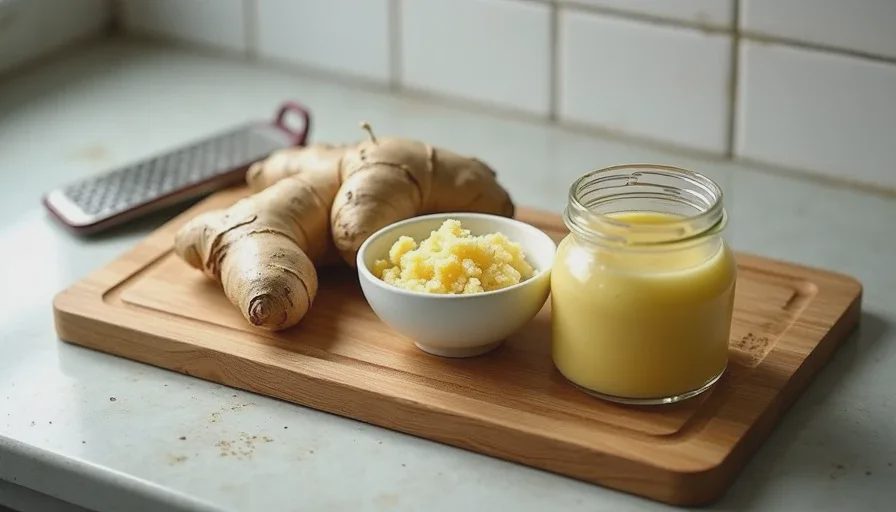
Ginger is one of those ingredients that shows up in almost everything I cook, but it’s also one of the easiest things to waste. A knob of fresh ginger sits in the crisper drawer, shrivels up, and gets thrown away three weeks later. Or you buy a jar of ginger paste, use it once, and forget it in the fridge door. I’ve done both. After years of cooking in Chinese and fusion restaurant kitchens, I’ve learned that fresh ginger, frozen ginger, and ginger paste all have a place in a real home kitchen. The trick is knowing which one to grab for which job.
You don’t need to choose one and swear off the others. That’s not how a working cook thinks. In a restaurant, we’d have fresh ginger prepped daily for the line, but we also had shortcuts for sauces and marinades. At home, I keep a small piece of fresh ginger in the fridge, a knob or two in the freezer, and a jar of ginger paste for nights when I can’t be bothered to peel anything. Each one works differently, and once you understand that, you’ll waste less and cook with more confidence.
Why Ginger Form Matters
Ginger isn’t just one flavor. It changes depending on how it’s cut, how much heat it gets, and how long it cooks. Fresh ginger is bright, sharp, and a little citrusy. Dried or old ginger gets woody and more pungent. Ginger paste is usually made with ginger, oil, and sometimes acid or salt, so it’s mellower and easier to blend into a sauce. The form you use changes the texture and the way the flavor hits the dish.
The Role of Texture
Fresh ginger, when minced or julienned, gives you little bursts of flavor and texture. It’s not always pleasant to bite into a big chunk of ginger, which is why I usually mince it finely or cut it into thin matchsticks. Paste dissolves into the dish. You don’t get the texture, but you get the background warmth.
The Role of Aroma
Fresh ginger has a high-aroma quality that fades as it cooks. That’s why you often add it early in a stir-fry, right after the garlic. It perfumes the oil and lifts the whole dish. Ginger paste, because it’s already processed, doesn’t have the same punch. It’s better for marinades and sauces where you don’t want the raw edge.
When I Use Fresh Ginger
This is what I reach for most of the time. Fresh ginger is unmatched for stir-fries, soups, and anything where you want that clean, sharp note in the first few minutes of cooking.
Stir-Fries and Aromatics
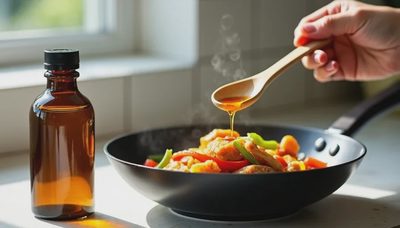
When I make a stir-fry, I mince or slice fresh ginger and add it to the hot oil along with garlic and scallions. It sizzles, releases its aroma, and sets up the base for the whole dish. You can’t get that same lift from paste. Fresh ginger is a key part of that first flavor layer.
Soups and Broths
Fresh ginger is also great for soups. I keep a few slices of fresh ginger in the freezer for this purpose. When I make a simple chicken broth or a quick egg drop soup, I drop in a couple of slices while the liquid heats. The ginger infuses the broth with a gentle warmth. You can fish out the slices before serving, or leave them in if your family doesn’t mind. My kids usually don’t notice if I remove them.
How to Keep Fresh Ginger from Going Bad
The best way I’ve found is to store fresh ginger in the crisper drawer in a paper towel, but I also freeze most of it. Freezing changes the texture slightly, but it keeps the flavor intact. When I need fresh ginger, I pull a knob out of the freezer, let it sit for a minute, and grate it while it’s still frozen. It grates easily and turns into a fine pulp that melts into the pan. That’s one of my favorite shortcuts for weeknight cooking.
When Frozen Ginger Works Better
Frozen ginger isn’t just a backup for fresh. In some cases, it actually works better because it’s easier to handle and less stringy.
Grating Frozen Ginger
Grating fresh ginger can be a chore. The fibers get stuck in the grater, and you end up with half the ginger wasted. But frozen ginger grates cleanly. The fibers stay together, and you get a fine, fluffy pulp that dissolves quickly in sauces and marinades. This is my go-to for a quick sauce on a Tuesday. I don’t even bother peeling it. The skin grates right in.
Longer Storage Without Losing Flavor
Fresh ginger left in the fridge eventually dries out or grows mold. In the freezer, it holds its flavor for months. I keep a resealable bag of ginger knobs in the freezer door, and I pull out exactly what I need. If I’m going to cook a ginger-heavy dish, I might use fresh. But for a teaspoon here and there, frozen is the real workhorse.
When Ginger Paste Is the Right Call
Ginger paste is a convenience product, and I’m not ashamed to use it. It’s made from ginger that’s been pureed, often with a little oil or vinegar to preserve it. You can find it in jars or tubes in the produce section or Asian aisle.
Marinades and Sauces
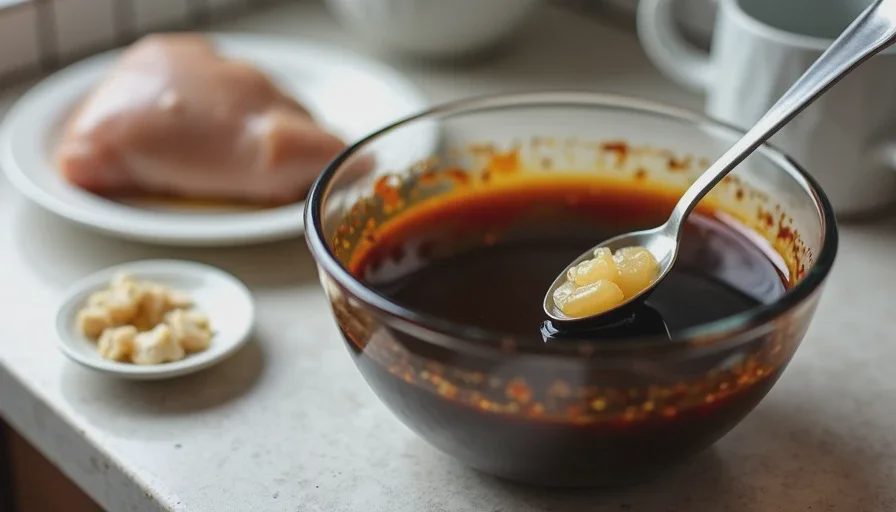
Paste is perfect for marinades because it blends evenly and doesn’t leave chunks. If you’re making a quick soy-honey marinade for chicken, a spoonful of ginger paste stirs right in. You don’t have to peel or mince anything. That’s a win on a busy night.
When You Want Background Ginger, Not a Star
If a dish calls for ginger but you don’t want it to dominate, paste is a good option. It gives you the warmth without the sharp edges. I use it in salad dressings, dipping sauces, and sometimes in a quick stir-fry sauce when I don’t feel like dealing with fresh.
What to Watch For
Not all ginger pastes are the same. Some have a lot of oil or salt, which changes the flavor. Check the ingredient list. If it has acid, it can also add a sour note. I usually start with a small amount and taste before adding more. You can always add, but you can’t take it out.
How to Swap One for Another
If a recipe calls for fresh ginger and you only have paste, use about half the amount. Paste is more concentrated and often salted. If a recipe calls for paste and you have fresh, finely grate the fresh ginger and add a tiny pinch of salt to make up for what the paste might have added.
Frozen ginger can be used anywhere you’d use fresh, as long as you’re grating or mincing it. If you’re slicing ginger for a soup, fresh or frozen both work. Just adjust the amount if the ginger is old and strong.
A Small Ginger Strategy for Real Life
Here’s what I actually do: I buy a big knob of fresh ginger once or twice a month. I break off a small piece for the fridge, then put the rest in the freezer in a bag. I keep a tube of ginger paste in the fridge for emergency nights. That covers almost everything. The fresh knob is for stir-fries and dishes where ginger is the point. The frozen knobs are for grating and soups. The paste is for sauces and marinades when I’m too tired to peel.
This system means I waste almost nothing. And when a recipe calls for ginger, I don’t have to think about whether I have it. I just open the fridge or freezer and grab the form that fits the job.
One More Thing About Ginger
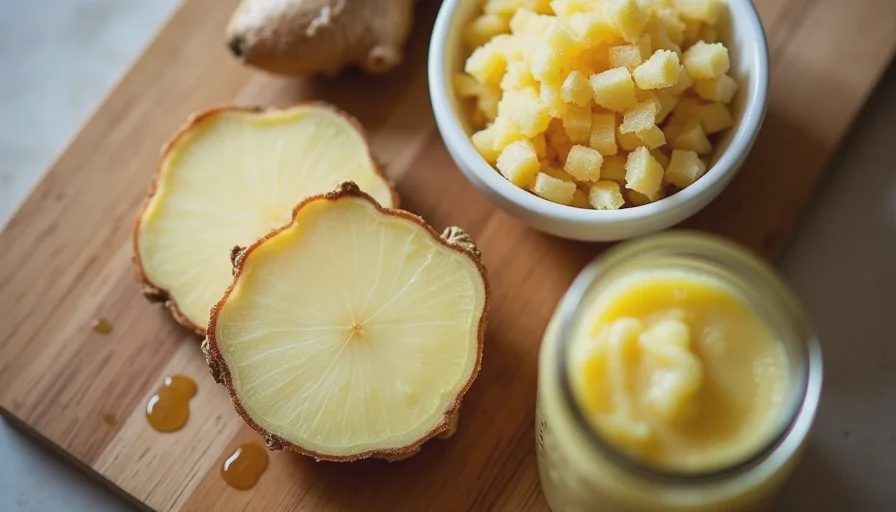
Ginger doesn’t need to be fancy to work. You don’t need young ginger or organic ginger or a special grater. A basic knob from the regular grocery store will do. The key is to use it while it’s fresh or freeze it before it goes bad. Once it turns soft, wrinkled, or moldy, throw it out. It’s not worth trying to save.
If you’re someone who always forgets about fresh ginger until it’s too late, start with frozen ginger and a small jar of paste. You’ll still get the flavor, and you won’t feel guilty about the shriveled root in the bottom of the drawer.
Good food should fit real life. For me, that means keeping three forms of ginger within reach, and using the one that makes dinner happen without a fight.
Travellers Write
No letters yet — be the first traveller to write.