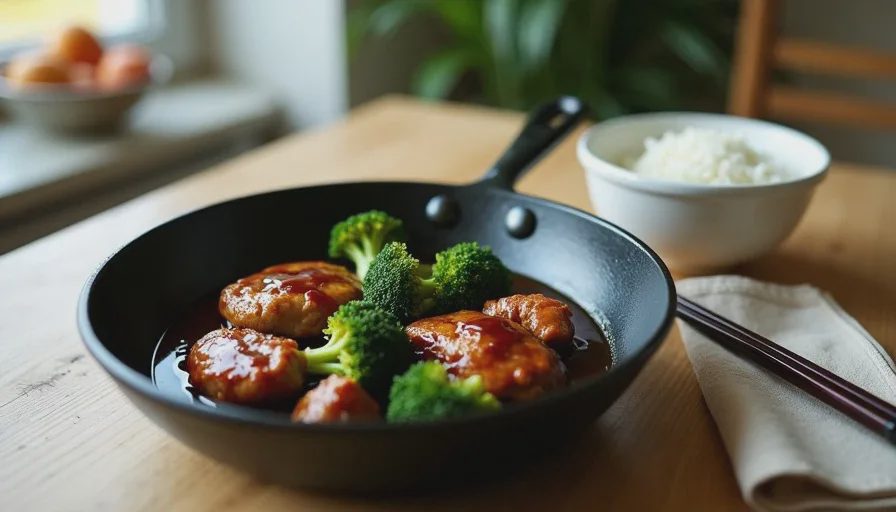
A lot of people think a Chinese-inspired dinner from one skillet sounds like a compromise. Like you’re giving up something by not using a wok, or by not doing a three-pan restaurant-style setup. But some of the best weeknight meals I’ve ever made came out of a single nonstick skillet on my home stove, while my kids did homework at the kitchen table. That’s not a compromise. That’s real cooking.
I’m Maggie Alvarez, and I spent years on restaurant wok stations before I started cooking this way at home. The truth is, you don’t need a wok to build flavor. You need a plan, a hot pan, and the confidence to work in stages. Once you understand the basic structure, you can make a one-skillet Chinese-inspired dinner from almost anything in your fridge.
Why One Skillet Works Better Than You Think
One skillet forces you to cook in layers. Instead of trying to get everything hot at the same time, you build the dish in stages: sear the protein, cook the aromatics and vegetables, then bring it all together with a sauce. That’s exactly what happens on a restaurant line, except we used more pans because we had a dishwasher. At home, one pan keeps things simple.
Less Cleanup, More Focus
The obvious benefit is fewer dishes. But the bigger benefit is focus. When you only have one pan, you pay attention to it. You notice when the garlic is getting too dark. You see the sauce starting to cling. You taste before it’s too late. That kind of attention makes the food better.
The One-Skillet Framework
Here’s the structure I use on weeknights. It works for chicken, pork, tofu, shrimp, or even eggs. The vegetable can be broccoli, cabbage, green beans, peppers, or whatever is wilting in the produce drawer.
1. Prep Everything Before the Heat Goes On
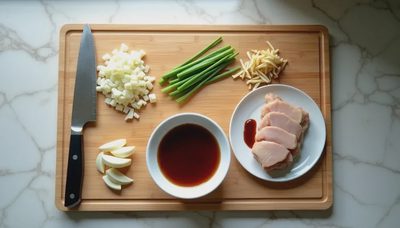
Cut your protein into even pieces. Slice your garlic and ginger. Chop your scallions. Mix your sauce in a small bowl. If you’re using broccoli or green beans, blanch them in the microwave with a little water for two minutes while the pan heats. This is the step that prevents panic later.
2. Sear the Protein First
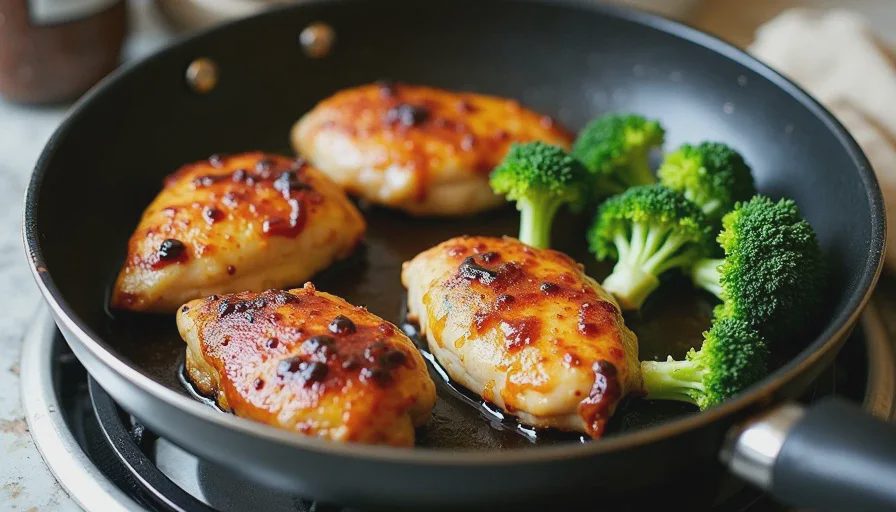
Get the skillet hot over medium-high heat. Add a thin layer of oil. When the oil shimmers, add the protein in a single layer. Do not stir it for at least a minute. Let it brown. Brown equals flavor. If you’re using chicken thighs, cook them until they’re nearly done, then transfer to a plate. Leave the browned bits in the pan.
3. Cook the Aromatics and Vegetables
Add a little more oil if needed. Drop in your garlic, ginger, and the white parts of your scallions. Stir them for about fifteen seconds, just until fragrant. Then add your vegetables. Toss them in the pan juices and let them pick up some color. If the pan looks dry, add a splash of water or broth.
4. Return the Protein and Add the Sauce
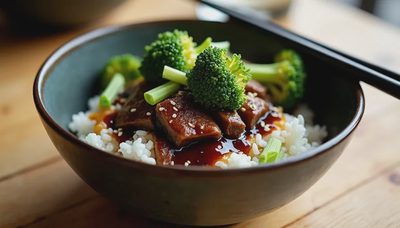
Put the protein back in. Pour the sauce down the side of the pan, not directly on top of the food. This helps it heat quickly and coat everything evenly. Toss until the sauce thickens slightly and clings to the meat and vegetables. That usually takes a minute or two.
A Simple Sauce That Works Almost Every Time
You don’t need five bottles for this. A basic Chinese-inspired skillet sauce can be made with four ingredients you probably already have:
2 tablespoons soy sauce
1 teaspoon sugar or honey
1 teaspoon rice vinegar or lime juice
1 teaspoon cornstarch mixed with 2 tablespoons water
Stir it together before you start cooking. If you want more depth, add a small splash of sesame oil at the end, not during cooking. Sesame oil is a finishing oil, not a cooking oil.
The Most Common One-Skillet Mistakes
Even experienced home cooks make these. I’ve made all of them.
Overcrowding the Pan
If you dump all the chicken in at once, the temperature drops and the meat steams. You end up with pale, rubbery pieces instead of browned edges. Work in two batches if you need to. It takes a few extra minutes, but the flavor difference is worth it.
Stirring Too Much
I see home cooks stand over the pan and stir constantly. That prevents browning. Let the food sit. Let it sear. You can stir when you’re combining everything at the end.
Adding Sauce to a Cold Pan
If your pan has cooled down, the sauce won’t thicken quickly. It’ll pool at the bottom and make the food soggy. Keep the heat at medium-high when you add the sauce, and let it bubble before you toss.
What I Do on a Tuesday
Last Tuesday, I had half a cabbage, a carrot, and some ground pork that needed to be used. I made a one-skillet dinner in about twenty minutes. I browned the pork first, then added garlic, ginger, and the cabbage. I mixed soy sauce, a little hoisin I had in the fridge, and a splash of water. No cornstarch that night because the hoisin was thick enough. I served it over rice that I’d started before I touched the skillet.
That’s not a recipe. That’s a framework. And once you feel it, you’ll start making your own versions.
How to Serve It Without Making More Work
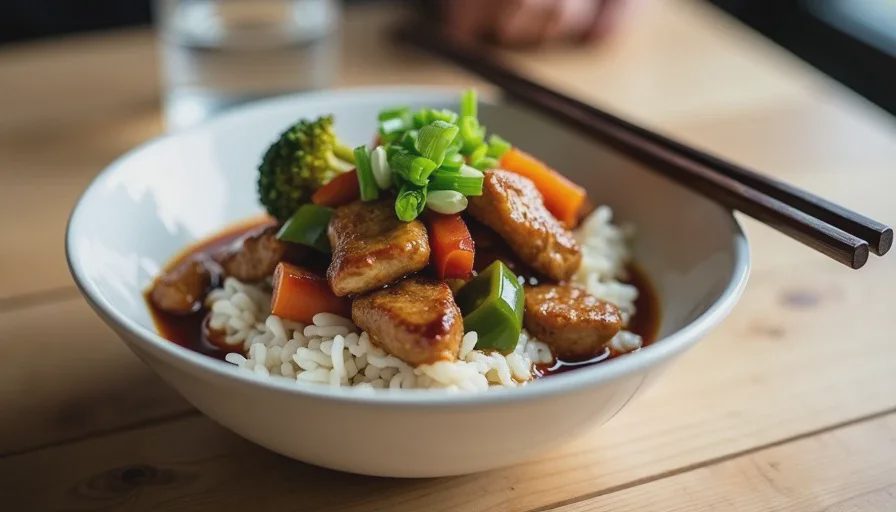
If you want rice, start it first. That’s the one thing I always do before I begin the skillet. White rice in a pot takes about eighteen minutes, which is roughly the same amount of time as the whole skillet dinner. If you forget, use noodles, or just eat it as is. A one-skillet dinner doesn’t require a starch to be complete.
Start With What You Have
The best way to learn this is to open your fridge right now and pick one protein and one vegetable. Don’t look for a recipe. Look for what needs to be used. Then follow the framework: sear, aromatics, vegetables, sauce, combine. Taste it. Adjust it.
That’s what I want you to feel—not that you’re following instructions, but that you understand why each step happens. Once you do, dinner stops being a question and becomes a rhythm.
Good food should fit real life. And one skillet is about as real as it gets.
Travellers Write
No letters yet — be the first traveller to write.