Rice noodles for chow fun can save dinner when the wide, fresh noodles you want are nowhere in the refrigerator case. The catch is that not every rice noodle behaves well in a hot skillet. Some turn soft and sticky, while others break before they can pick up that smoky sauce. Here is the practical kitchen answer: choose the widest noodles you can find, keep them slightly firm, and stir-fry in small batches. Good food should fit real life, so this guide is built around supermarket options rather than a specialty shopping trip.
What chow fun noodles are supposed to be like
Classic chow fun uses broad, flat rice noodles with a soft, springy bite. They are usually fresh, but refrigerated and shelf-stable versions can both work at home. The goal is not a perfectly identical restaurant texture. The goal is noodles that stay intact, absorb savory sauce, and develop a few browned edges without becoming a pan of rice paste.
When shopping, look for labels such as wide rice noodles, flat rice noodles, pad see ew noodles, or rice sticks marked extra wide. Rice noodles for chow fun should ideally be about half an inch wide or wider. Pad see ew noodles are often the closest grocery-store substitute because they are broad enough to fill a fork and sturdy enough for a quick stir-fry.
Avoid very thin vermicelli for this particular meal. Thin noodles are excellent for cold salads, spring rolls, and soups, but they do not give you the substantial chew associated with chow fun. They also overcook quickly, which makes them difficult for a beginner managing meat, vegetables, sauce, and heat at the same time.
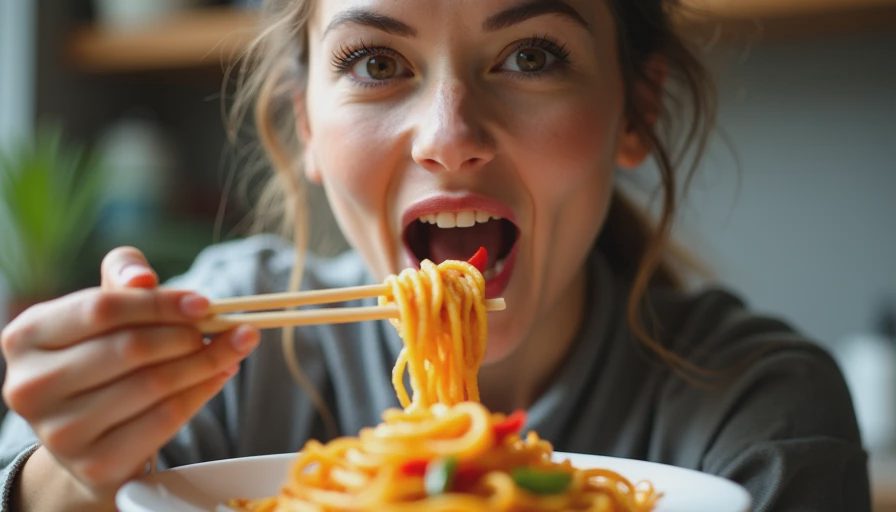
Choosing between fresh, dried, and refrigerated noodles
Fresh noodles have the most tender texture, but they need gentle handling. If they are stuck together, separate them with your fingers before cooking. Do not boil them aggressively. A brief dip in hot water, followed by draining and a light toss with a teaspoon of neutral oil, is usually enough to loosen them.
Dried noodles are more forgiving to store and often easier to find at a regular supermarket. Cook them in salted water until just shy of tender, then drain immediately. They should still feel a little firm in the center because they will finish cooking in the skillet. Rinsing under cool water stops carryover cooking and removes excess surface starch.
Refrigerated flat rice noodles can be excellent, but they sometimes arrive in one solid block. Microwave the unopened package for 20 to 30 seconds, if the package allows it, then gently pull the strands apart. The purpose is only to loosen them, not to cook them. A small amount of oil keeps the noodles from clumping while you prepare everything else.
The prep that prevents broken noodles
Stir-frying moves quickly, so prepare the entire meal before the pan gets hot. Slice one pound of chicken, flank steak, shrimp, or tofu into bite-size pieces. Cut vegetables into thin strips; broccoli stems, bell pepper, onion, snow peas, bean sprouts, and shredded cabbage all work well. Mix your sauce in a cup with soy sauce, oyster sauce, a little water, toasted sesame oil, and a pinch of sugar.
For rice noodles for chow fun, moisture control matters more than fancy equipment. Wet noodles release steam and turn limp. If the noodles feel damp after rinsing, spread them on a clean sheet pan or large plate for five minutes. Do not pile them into a bowl while they are still warm. That trapped steam is one of the fastest ways to create a sticky clump.
Use a large carbon-steel wok if you have one, but a 12-inch stainless-steel skillet works well. Nonstick is also fine; just use medium-high heat instead of pushing the burner to maximum. The pan should be hot enough that the protein sizzles immediately, but not so hot that garlic burns before the vegetables soften.
A simple stir-fry method for home kitchens
Heat one tablespoon of neutral oil, such as avocado, canola, or peanut oil. Cook the protein in a single layer until browned and nearly done, then transfer it to a plate. If you crowd the pan, the meat steams and leaves behind water instead of developing color. Add another teaspoon of oil if the pan looks dry.
Cook the firm vegetables first, followed by softer vegetables and aromatics. Garlic and ginger need only about 30 seconds. Return the protein to the skillet, add the noodles, and pour the sauce around the edge of the pan. That gives the sauce a chance to heat before it meets the noodles.
Use two spatulas or a pair of tongs to lift and turn rather than aggressively tossing. Rice noodles for chow fun are tender, and repeated stirring can shred them. Work for two to three minutes, just until the noodles are hot, coated, and slightly glossy. If the pan seems dry, add water one tablespoon at a time. If it seems wet, stop stirring for 20 seconds so the moisture can evaporate.
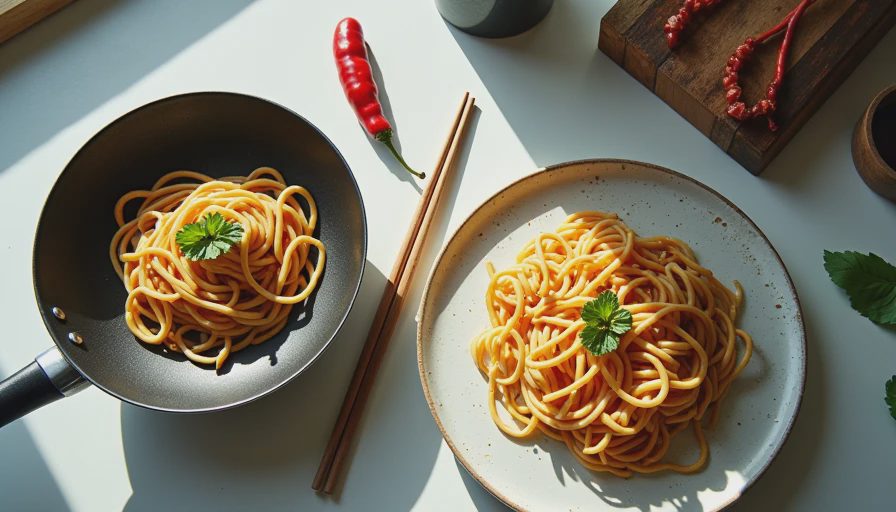
Flavor combinations that work on a weeknight
For a classic savory plate, combine flank steak, onion, bean sprouts, and scallions with soy sauce, oyster sauce, and white pepper. Chicken pairs nicely with broccoli, mushrooms, and a small spoonful of chili crisp added at the table. Shrimp needs very little cooking time, so sear it first and return it only during the final minute.
To keep dinner family-friendly, make one mild sauce for the pan and put chili oil, sliced jalapenos, or hot sauce on the table. A teaspoon of brown sugar rounds out salty sauces without making the noodles sweet. If you do not have oyster sauce, use an extra splash of soy sauce plus a little hoisin sauce. The flavor will be different, but the dinner will still be satisfying.
Rice noodles for chow fun also make a good leftover strategy. Store the cooked noodles and toppings together for up to three days, then reheat them in a covered skillet with a tablespoon of water. The microwave works for one serving, but a skillet restores better texture. Add fresh bean sprouts or scallions after reheating for contrast.
Troubleshooting the most common problems
If the noodles stick together, they were probably overcooked or left warm in a pile. Next time, cook them less and spread them out after draining. If they break, the pan may have been too crowded or the noodles may have been stirred too forcefully. Lift and fold instead of scraping across the skillet.
If the finished dish tastes flat, add a small splash of soy sauce, a few drops of sesame oil, or a squeeze of lime. If it tastes too salty, add unsalted vegetables or a tablespoon of water and toss again. Bland stir-fry is usually missing browning, acid, or aromatic ingredients rather than another large pour of sauce.
If you are using rice noodles for chow fun for the first time, make a smaller batch. One package of noodles, eight ounces of protein, and three cups of vegetables is easier to control than a huge family-size skillet. Once you know how your pan handles the heat, double the recipe in separate batches instead of cramming everything together.
The easiest path to better chow fun
Buy the widest noodles available, prep every ingredient before heating the pan, and keep the sauce measured and ready. Fresh noodles need gentle loosening; dried noodles need careful undercooking. Both can produce a delicious dinner when you respect their timing.
The best rice noodles for chow fun are not necessarily the most expensive ones. They are the noodles you can cook without panic, find at your local store, and combine with whatever protein and vegetables your family already likes. Start with a wide refrigerated or pad see ew-style noodle, cook in batches, and let the skillet do the flavor-building. That is the whole rhythm: hot pan, dry noodles, quick sauce, gentle hands.

Travellers Write
No letters yet — be the first traveller to write.