Cantonese style chow fun is the kind of dinner that looks restaurant-special but works beautifully in a regular home kitchen. You get wide, tender rice noodles, savory beef, crisp bean sprouts, green onions, and that smoky soy flavor people usually chase with an oversized wok and a jet-engine burner. You do not need either. Good food should fit real life, so this version uses supermarket ingredients and a simple cooking order that keeps the noodles from turning into a soft pile.
The most important thing is preparation. Once the pan is hot, this dish moves quickly. Slice the steak, mix the sauce, separate the noodles, and have the vegetables beside the stove before you cook. That five-minute setup matters more than owning fancy equipment.
What makes this noodle dish work
Traditional Cantonese style chow fun is built around broad rice noodles, high heat, and a balance of dark, savory seasoning with fresh aromatics. At home, the challenge is not the ingredient list; it is managing moisture. Wet noodles, crowded pans, and too much stirring can make the dish gummy. Dry noodles and an uncrowded skillet give you a much better chance at lightly toasted edges and distinct strands.
Use fresh wide rice noodles from an Asian grocery store if you can find them. They are usually sold in the refrigerated section and often labeled wide rice noodles or ho fun noodles. If those are unavailable, refrigerated yakisoba noodles are a practical backup, though the texture will be different. Dried rice noodles are less ideal here because they can break easily, but they work in a pinch when soaked just until flexible.
For four servings, gather 12 ounces of wide rice noodles, 12 ounces of flank steak or sirloin, 2 cups of bean sprouts, four sliced green onions, and two thinly sliced garlic cloves. The sauce needs three tablespoons of regular soy sauce, one tablespoon of dark soy sauce, one tablespoon of oyster sauce, one teaspoon of sugar, and half a teaspoon of toasted sesame oil. Stir the sauce together before the pan gets hot.
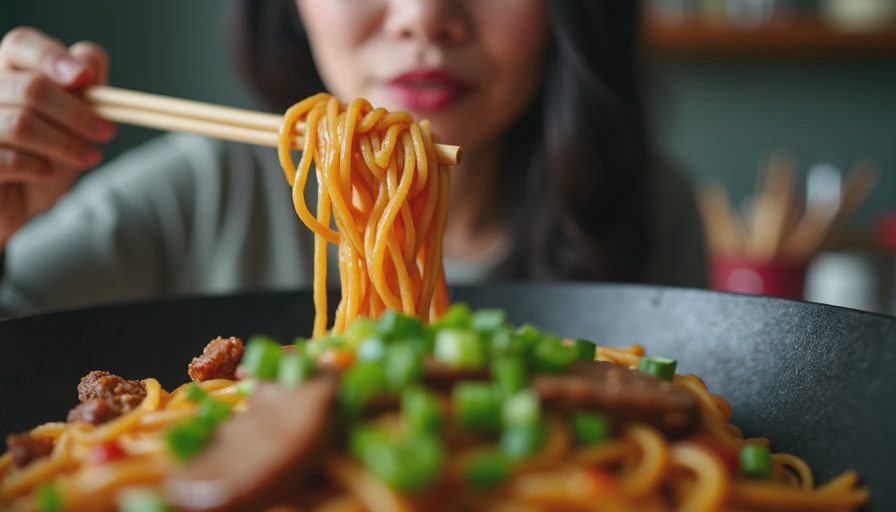
How to prepare the beef and noodles
Slice the beef thinly across the grain. If the steak feels difficult to cut, place it in the freezer for 15 to 20 minutes first. That firms it enough for clean slices without partially freezing the center. Toss the beef with one teaspoon of soy sauce, one teaspoon of cornstarch, and one teaspoon of neutral oil. The cornstarch gives the slices a smooth coating and helps them stay juicy during the quick sear.
Handle the noodles gently. Fresh noodles often stick together, so loosen them with your fingers before cooking. If they are very firm, place them in a bowl of warm water for a minute, then drain thoroughly. Do not leave them soaking until floppy. For Cantonese style chow fun, the noodles should be flexible but still sturdy enough to survive the pan.
Choose a 12-inch carbon-steel wok, large nonstick skillet, or wide cast-iron pan. A smaller pan will steam the ingredients instead of searing them. Heat the empty pan until a drop of water evaporates immediately, then add one tablespoon of neutral oil.
The cooking order that protects texture
Cook the beef first in a single layer. Let it sit for about 45 seconds before tossing, then stir-fry for another minute until the outside is browned and the center is nearly cooked. Transfer it to a plate. It will finish later, and removing it prevents overcooked, chewy slices.
Add another teaspoon of oil, then cook the garlic and the white parts of the green onions for 15 seconds. Add the bean sprouts and toss for 30 to 45 seconds. They should remain lively and slightly crisp. Move the vegetables to the same plate as the beef if your skillet is not especially wide.
Now add the noodles. Spread them across the pan and leave them alone for 30 seconds. This short pause allows the bottom strands to pick up color. Add the sauce around the edge of the pan, where it will sizzle before coating the noodles. Use two spatulas or a pair of tongs to fold everything together rather than aggressively stirring. Add the beef and vegetables back in, toss twice, and turn off the heat.
Small substitutions for a real grocery trip
Cantonese style chow fun does not require a specialty-store scavenger hunt. Flank steak is excellent, but thinly sliced chicken thighs, pork tenderloin, shrimp, or pressed tofu can take its place. For chicken, cook the slices until no pink remains. Shrimp need only a couple of minutes, so add them at the same point you would add the beef and remove them when opaque.
Bean sprouts can be replaced with shredded green cabbage, snow peas, or a bag of broccoli slaw. The goal is a fresh vegetable with some crunch, not a rigid list of ingredients. Regular soy sauce supplies salt, while dark soy sauce gives the noodles a deeper color and rounder flavor. If you only have regular soy sauce, use it and add a small splash of Worcestershire sauce for extra depth.
Oyster sauce adds sweetness and savory richness, but hoisin sauce is a workable substitute for a slightly sweeter result. Keep the amount modest because bottled sauces vary in saltiness. Taste the finished noodles before adding more soy sauce; once the dish is too salty, it is hard to rescue without adding more noodles.
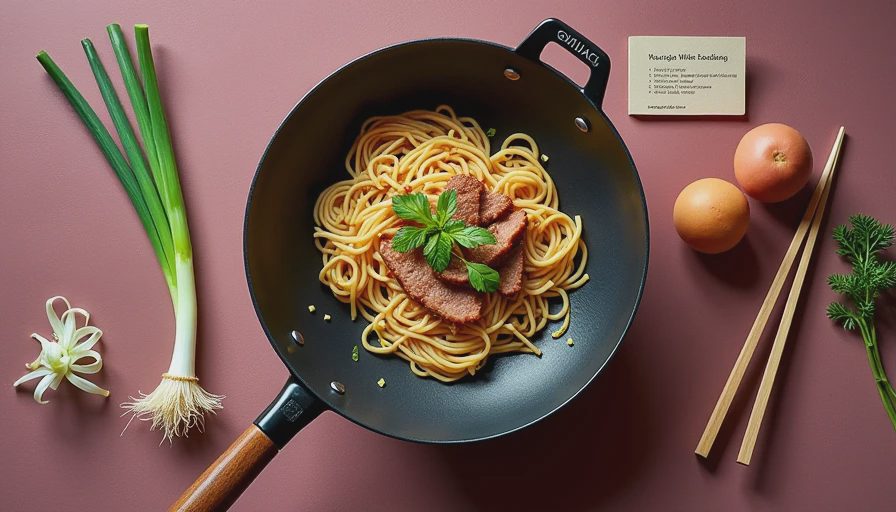
How to serve and store it
Serve Cantonese style chow fun immediately, while the noodles are glossy and the sprouts still have snap. A simple side of sliced cucumber, steamed broccoli, or oranges balances the rich sauce. For children, hold back a portion before adding extra black pepper or chili crisp. Adults can finish their bowls with scallions, white pepper, or a spoonful of chili oil.
Store leftovers in a shallow container and refrigerate them within two hours. They keep well for about three days. Reheat a serving in a hot skillet with one teaspoon of water and a few drops of oil. The water loosens the noodles, while the oil keeps them from sticking. A microwave works for speed, but use short intervals and stir between them so the edges do not dry out.
This is also a good meal-prep recipe if you keep the components separate. Cook the beef and vegetables, refrigerate them, and make fresh noodles on the night you plan to eat. Fully assembled leftovers are still tasty, but the noodles will soften as they sit.
Troubleshooting your first attempt
If the noodles break, they were probably over-soaked, too cold and stiff, or handled too forcefully. Warm them briefly and fold gently. If the dish tastes flat, it usually needs more aromatics or a little sauce, not a flood of soy sauce. Add green onion, garlic, white pepper, or a teaspoon of oyster sauce before reaching for extra salt.
If the noodles turn watery, the pan was crowded or the sprouts released too much moisture. Cook in two batches next time, and drain any wet ingredients thoroughly. If nothing browns, let the pan heat longer and avoid constant stirring. Cantonese style chow fun gets its best flavor from brief contact with a hot surface.
The finished plate should have tender noodles, browned beef, crunchy vegetables, and sauce that clings without pooling. Once you understand that flow, Cantonese style chow fun becomes a reliable weeknight dinner instead of a dish reserved for restaurant takeout. Prep first, cook fast, and trust the hot pan.

Travellers Write
No letters yet — be the first traveller to write.