If you have ever stood at the cutting board wondering, can you eat skin of chinese eggplant, the short answer is yes. The thin purple skin is edible, nutritious, and usually tender enough to leave on while you cook. In fact, peeling it often creates extra work without improving the dish. Good food should fit real life, and keeping the skin is one small shortcut that makes dinner easier.
Chinese eggplant is typically long, slender, and lighter in color than the large globe eggplants sold in many American supermarkets. Its skin is delicate, while the flesh cooks quickly and turns silky. That combination makes it especially useful for stir-fries, skillet meals, roasted vegetables, and simple noodle toppings.
Can you eat skin of chinese eggplant safely?
Yes, as long as you wash the eggplant well before cutting it. Rinse it under cool running water and rub the surface with your hands to remove dirt or residue. You do not need produce soap. Pat it dry with a clean towel, then trim off the stem and the small end before slicing.
The skin itself is not dangerous or tough by default. Problems usually come from an old, poorly stored, or overgrown eggplant rather than from the skin. Look for firm vegetables with smooth, unbroken skin and a fresh green stem. If the eggplant feels spongy, has leaking spots, or smells sour, skip it. A fresh one should feel fairly heavy for its size and spring back slightly when pressed.
Some home cooks peel eggplant because they expect bitterness. That is less of an issue with young Chinese eggplant, which tends to have a mild flavor. If the skin seems unusually thick or the vegetable is very large, you can peel a few strips rather than removing everything. This creates a striped surface and keeps some of the color and fiber.
The skin also helps the slices hold together. When eggplant cooks, its flesh softens quickly. Leaving the skin on gives the pieces a little structure, which matters in a hot skillet where you are tossing vegetables with sauce. You get tender bites instead of purple mush.
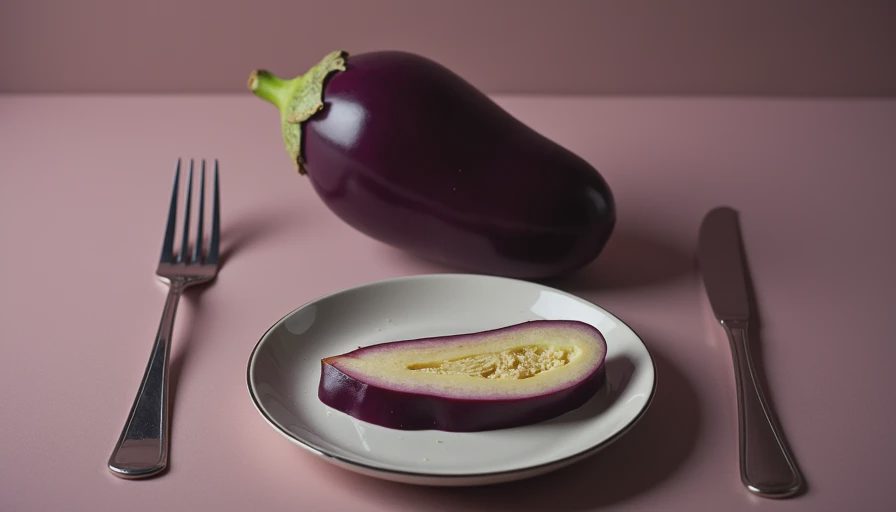
How to prepare Chinese eggplant without peeling it
Start by slicing the eggplant according to the cooking method. For a stir-fry, cut it into two-inch pieces or thin angled slices. The angled cut exposes more flesh to the pan, so the eggplant absorbs sauce quickly. For roasting, cut it into spears or chunks that are similar in size. Even pieces cook at the same pace, which is more important than making every cut look perfect.
Chinese eggplant has a tender interior, so it can soak up oil. Use enough to coat the pan and the vegetables, but do not pour in a large amount at the start. In a skillet, one to two tablespoons of neutral oil is a practical starting point for about one pound of eggplant. Avocado, canola, peanut, or vegetable oil all work well.
For a fast stovetop dinner, heat the pan first, add the oil, and then add the eggplant in one layer if possible. Let the pieces sit for a minute or two before stirring. That contact with the hot surface encourages browning and keeps the eggplant from steaming immediately. Add a splash of water and cover the pan briefly if the outside is browning before the center softens.
A basic sauce can be made with soy sauce, rice vinegar, garlic, and a little brown sugar. Add the sauce near the end, when the eggplant is already tender. If it goes in too early, the sugar can scorch and the vegetable may simmer instead of brown. This is a small restaurant-kitchen habit that translates beautifully to a home stove: cook the vegetable first, season it after it has built some color.
Can you eat skin of chinese eggplant in everyday recipes?
Absolutely. Try it in garlic eggplant with cooked ground pork, sliced chicken, tofu, or mushrooms. For a meatless weeknight meal, stir-fry the eggplant with bell pepper and green beans, then serve it over rice. The skin gives each piece a pretty purple edge and helps it stay intact when mixed with the other ingredients.
You can also roast the pieces at 425 degrees Fahrenheit with oil, salt, and pepper until soft and lightly browned, usually about 20 to 25 minutes depending on the size. Toss the roasted eggplant with lemon juice and herbs for a simple side dish, or spoon it into warm pita with yogurt. The flavor is mild enough for children, especially when you keep the seasoning savory rather than spicy.
For a quick lunch, fold cooked eggplant into scrambled eggs or place it on toast with ricotta and chili crisp. Leftovers are excellent cold or warm. Add them to ramen, rice bowls, or a cheese quesadilla. The skin does not need special treatment in any of these uses; it softens along with the flesh.
If you are still asking can you eat skin of chinese eggplant because the color looks strong, do not let the purple shade put you off. Purple vegetable skins often contain plant compounds that contribute color, and leaving them on means less waste. You do not need to make a health claim to appreciate the practical benefit: the vegetable looks better, holds its shape, and requires less prep.

When peeling makes sense
There are a few situations where peeling is reasonable. If the skin has bruised patches, trim those areas away. If you bought a very mature eggplant with noticeably firm skin, peel it in alternating strips or remove the exterior completely. Texture is personal, and dinner does not need to become a debate about doing things the one correct way.
Peeling can also help when you are making a completely smooth puree, such as a dip or soup. Even then, you can often leave the skin on and blend everything thoroughly. A high-powered blender will usually break it down, while a standard food processor may leave tiny flecks. Neither option is a problem unless you want a perfectly uniform finish.
Avoid soaking sliced eggplant for a long time. Older recipes sometimes recommend heavy salting to remove bitterness, but young Chinese eggplant generally does not require it. If you salt it, use a light sprinkle for 15 to 20 minutes, then blot away moisture. Heavy salting can make the finished dish taste too salty once soy sauce or other seasonings are added.
A simple weeknight method
Wash and dry one pound of Chinese eggplant, then cut it into two-inch pieces. Heat a large skillet over medium-high heat and add one tablespoon of oil. Cook the eggplant for four to six minutes, turning occasionally, until the skin is glossy and the centers begin to soften.
Add one minced garlic clove and cook for 30 seconds. Stir together two tablespoons of soy sauce, one tablespoon of water, one teaspoon of rice vinegar, and half a teaspoon of brown sugar. Pour that mixture into the skillet, toss well, and cover for two minutes. Remove the lid and cook until the sauce clings to the eggplant. Finish with sliced scallions, sesame seeds, or a small spoonful of chili crisp.
This method works because the eggplant gets direct heat before the liquid arrives. The skin stays present but tender, and the sauce has a chance to cling instead of disappearing into a watery pan. Serve it with rice and a fried egg for a filling meal that takes roughly 20 minutes.
Final answer for your kitchen
So, can you eat skin of chinese eggplant? Yes. Wash it, check that the vegetable is fresh, trim the ends, and cook it with confidence. The skin is edible and usually tender, and leaving it on saves time while helping the slices keep their shape. Peel only when the skin is damaged, unusually firm, or standing in the way of a smooth puree.
The next time you bring home a package from the grocery store or farmers market, skip the automatic peeling step. Slice it, season it near the end, and let the skillet do the work. That is the kind of small kitchen decision that makes bold, comforting food easier on a busy night.


Travellers Write
No letters yet — be the first traveller to write.