Chinese chicken broth is one of those kitchen basics that makes dinner taste like you tried much harder than you did. It is savory, fragrant, and useful far beyond soup. I use it for quick noodle bowls, rice, dumpling dipping sauce, and pan sauces when plain water would leave the dish tasting flat. Good food should fit real life, so this version is designed for a regular grocery store, a busy schedule, and a pot you do not need to babysit all afternoon.
What Makes This Broth Taste Different
A basic chicken stock usually leans heavily on chicken flavor. Chinese chicken broth builds a wider flavor base with ginger, garlic, scallions, and a small amount of soy sauce or salt. The result is clean and savory rather than heavy. You can sip it, but it also works as a background layer in other meals.
The most important idea is balance. Ginger brings brightness, scallions add a fresh onion note, and chicken provides body. Garlic is welcome, although I use it carefully because too much can make a long-simmered broth taste harsh. A few white pepper grains add gentle warmth without turning the broth spicy.
You do not need an expensive whole chicken. Bone-in thighs, drumsticks, wings, or a leftover roast chicken frame all work. Thighs give you a rich, comforting pot, while wings produce plenty of gelatin and a pleasantly silky texture. If you are starting with leftover bones, rinse away any sticky sauce first so it does not muddy the flavor.

A Practical Grocery-Store Ingredient List
For about six cups of Chinese chicken broth, start with two pounds of bone-in chicken, eight cups of cold water, a three-inch piece of ginger, three scallions, and two garlic cloves. Add one teaspoon of kosher salt to begin, then adjust near the end. You can include a small carrot or a section of celery, but do not let the vegetables take over. This is not a classic Western soup base; the chicken and aromatics should stay in front.
If you have them, add two slices of fresh ginger skin-on, one star anise, or a small piece of dried orange peel. None is mandatory. Star anise is powerful, so use only one piece for a medium pot and remove it after about 30 minutes. A splash of Shaoxing cooking wine adds a rounded aroma, but dry sherry is a reasonable supermarket substitute. For a gluten-free pot, use tamari or a certified gluten-free soy sauce.
Here is the shortcut I use on rushed evenings: buy low-sodium boxed chicken stock and gently simmer it with smashed ginger, scallion whites, and a small splash of soy sauce for 15 minutes. That is not the same as starting from bones, but it is a smart upgrade when the alternative is skipping dinner altogether.
How to Make It Without Cloudy, Bitter Flavor
Put the chicken in a pot and cover it with cold water. Bring it slowly to a simmer over medium heat. As gray foam rises, skim it away with a spoon. This takes five to ten minutes and gives the finished Chinese chicken broth a cleaner flavor and appearance.
Once the surface is mostly clear, add the ginger, scallion whites, and garlic. Keep the pot at a quiet simmer, not a rolling boil. Boiling agitates the proteins and can make the broth cloudy, while a gentle simmer extracts flavor without beating the chicken apart. Partially cover the pot and cook for 60 to 90 minutes for thighs or drumsticks. Wings often need closer to two hours for maximum body.
Strain the broth through a fine-mesh strainer. Do not press hard on the solids, because that can push bitter, cloudy liquid through. Taste before adding more salt. If you are using the broth in noodles with soy sauce, the final bowl will bring additional salt, so keep the base a little restrained.
For a faster weeknight batch, use boneless chicken thighs and simmer for 30 to 40 minutes. You will lose some gelatin, but you will still get a flavorful cooking liquid. Shred the chicken and return it to the pot, or save it for fried rice, lettuce wraps, or a simple lunch bowl.
Ways to Use It for Dinner
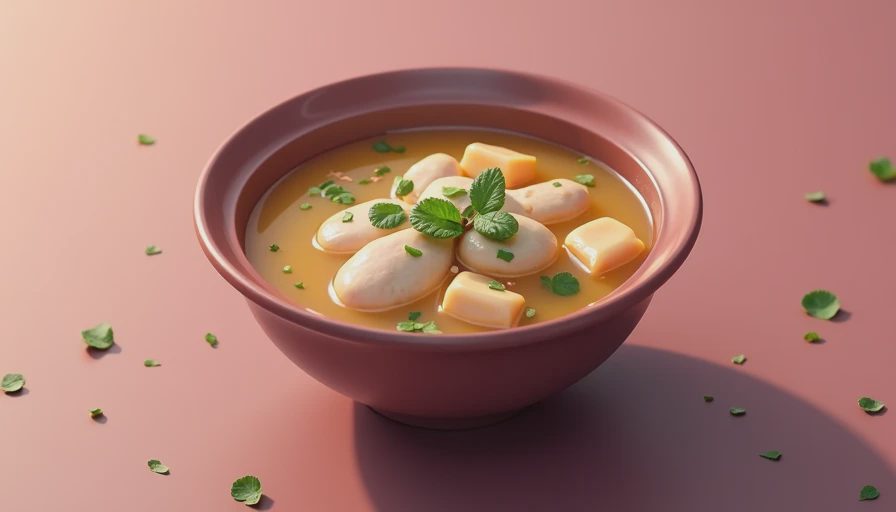
A bowl of Chinese chicken broth becomes dinner with cooked noodles, shredded chicken, baby bok choy, mushrooms, and a soft-boiled egg. Add the noodles directly to the serving bowl and pour over steaming broth if they are quick-cooking. This keeps the soup from becoming overly starchy. For thicker wheat noodles, cook them separately and rinse briefly before adding.
Use the broth instead of water when cooking jasmine rice or short-grain rice. The grains absorb the savory flavor while they cook, giving you a better base for leftover chicken and vegetables. You can also use a cup in a stir-fry sauce, especially when the pan looks dry after adding broccoli or snap peas. The liquid helps steam the vegetables while carrying sauce into every corner.
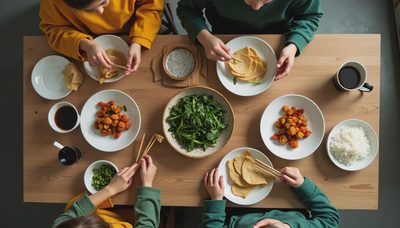
For a family table, keep the main pot mild and let everyone customize their bowl. Set out chili crisp, sliced scallions, sesame oil, soy sauce, and rice vinegar. Kids can take plain noodles and chicken, while adults can build a sharper, spicier version without preparing two separate dinners.
Storage, Freezing, and Smart Batch Cooking
Cool the Chinese chicken broth quickly after straining. Transfer it to shallow containers, leave room for expansion, and refrigerate it for up to four days. If a layer of fat firms up on top, you can remove some before reheating or stir it back in for extra richness. The fat also protects the surface during storage, so there is no need to discard it automatically.
For longer storage, freeze the broth in two-cup containers for soup or in ice cube trays for sauces. Once the cubes are solid, move them to a labeled freezer bag. One cube can loosen a pan sauce, while four or five make a quick lunch portion. Label the date and whether the broth is salted; that small note prevents surprises when you use it weeks later.
Avoid leaving a large hot pot on the counter to cool for hours. Divide it into smaller containers, let steam escape briefly, and refrigerate it promptly. Reheat only the amount you need, especially if you plan to add noodles or vegetables later.
Easy Fixes When the Pot Tastes Flat
If the Chinese chicken broth tastes weak, simmer it uncovered for 10 to 20 minutes to concentrate it. If it tastes dull but not weak, add salt in small pinches first. Salt wakes up existing flavor more effectively than piling in extra aromatics at the end. A few drops of rice vinegar can brighten a heavy pot, but add it gradually so the broth does not become sour.
If the broth is too salty, dilute it with unsalted water or stock and add more chicken, noodles, or vegetables to increase the total volume. If it tastes too strongly of ginger, balance it with additional unsalted broth rather than sugar. The goal is a flexible base that supports dinner, not a liquid that demands attention.
Once you make a batch, dinner gets easier. Keep some in the freezer, use regular supermarket ingredients, and let the broth do the quiet work of building flavor. Chinese chicken broth is not a restaurant trick reserved for special projects; it is a practical home-cooking tool that turns simple ingredients into a meal people are happy to eat.


Travellers Write
No letters yet — be the first traveller to write.