The right noodles for hot pot turn a good bubbling pot of broth into dinner that feels complete. They bring texture, soak up flavor, and give everyone something satisfying to fish out between bites of meat and vegetables. You do not need a specialty pantry or a restaurant-sized setup to make them work. A regular supermarket, one large pot, and a little timing are enough.
Hot pot is forgiving, but noodles are not all built the same. Some stay pleasantly chewy after several minutes in simmering broth. Others become soft almost immediately and leave you with a cloudy, starchy pot. Here is how I choose, prep, and cook them so the whole meal stays relaxed.
What Makes Noodles Work in Hot Pot
The best noodles for hot pot have enough structure to survive heat, stirring, and a little extra time in the bowl. Look for noodles with a springy bite or a firm dried texture. Wheat noodles, glass noodles, udon, and ramen-style noodles can all be excellent, but they behave differently once they hit the broth.
Thickness matters, too. Thin noodles cook quickly and are useful when people are eating in waves. Thick noodles take longer but feel hearty enough to serve as the main starch. If you are feeding children or a mixed group, offering one quick-cooking noodle and one sturdy noodle keeps everyone happy without forcing the cook to manage complicated batches.
The broth also influences your choice. A spicy, oily broth clings beautifully to wheat noodles and ramen. A clear chicken or vegetable broth lets delicate glass noodles show off their texture. For a rich sesame or peanut dipping sauce, plain noodles with a neutral flavor are often the smartest choice.
The Best Types to Buy
Fresh udon is one of my favorite noodles for hot pot because it is thick, chewy, and easy to find in the refrigerated or frozen section of many grocery stores. Frozen udon usually needs only a few minutes in simmering broth. Separate the bundles with chopsticks or tongs, then pull them out when they are soft but still pleasantly bouncy.
Glass noodles made from mung bean starch are another reliable option. They are light, slippery, and excellent at carrying broth. Soak them in warm water first if the package recommends it, but do not cook them completely before serving. They can go from firm to mushy fast, so add a small handful at a time and watch the pot.
Ramen noodles are convenient, especially the plain bricks sold separately from seasoning packets. They cook quickly and work well with miso, garlic, chili, or pork broth. Fresh wheat noodles and lo mein-style noodles are also good choices when you want a fuller, chewier bite.
Grocery Store Swaps That Actually Work
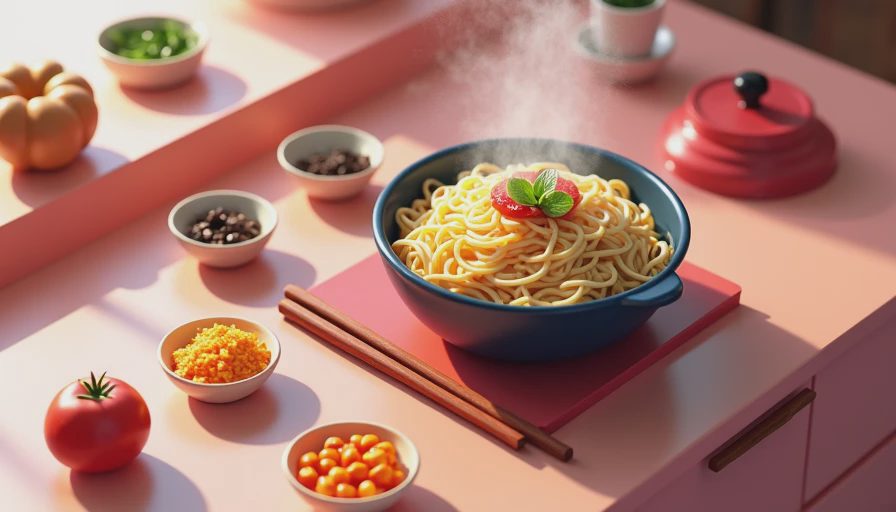
You can find useful noodles for hot pot in places that do not have a large international section. Plain spaghetti is not traditional, but it can work in a pinch if you cook it separately until just shy of al dente, then add small portions to the broth. Linguine has a flatter shape and catches more sauce, while angel hair cooks too quickly for a leisurely communal meal.
Look for sweet potato glass noodles, rice sticks, Japanese somen, frozen lo mein, or even packaged yakisoba noodles. Check the label for cooking time, then shorten that time slightly because the noodles will continue softening in the hot broth. If a package includes a strong seasoning packet, set it aside. Those packets can overpower a carefully built hot pot broth.
For a family dinner, I like buying one familiar option and one new-to-us option. Plain ramen gives kids an easy entry point, while udon or glass noodles lets adults choose a different texture. Good food should fit real life, and nobody gets extra credit for making every person eat the same bowl.
How to Prep Before the Pot Gets Hot
Hot pot rewards preparation. Once the broth is bubbling, you want to cook and eat, not search through cabinets for scissors or read package directions with one hand. Set the noodles near the stove, open any sealed packages, and place a clean plate or shallow bowl nearby for cooked portions.
Dried rice noodles and glass noodles may need soaking. Follow the package directions, but stop while they are still a little firm in the center. They will finish cooking at the table. Frozen udon can usually go straight into the pot, although a quick rinse under cool water helps separate the strands. Fresh noodles need less time than dried ones, so keep them in their package until everyone is ready.
If you are cooking for several people, portion the noodles into small nests before dinner. This prevents one giant tangle from taking over the pot. It also makes it easier to give a child a modest portion while another diner adds enough for a full bowl.
Timing, Texture, and the Shared Pot
Add noodles after the broth has returned to a steady simmer, not while it is merely warm. Use a slotted spoon, wire basket, or small mesh strainer if you have one. That lets you lift the noodles cleanly and keeps them from disappearing under vegetables or meat.
Thin ramen may need two to three minutes. Glass noodles often need three to five minutes after soaking. Fresh or frozen udon can take two to four minutes, depending on the brand. These ranges are starting points, not a reason to stop watching. Taste one strand. If it bends easily but still has a little resistance, it is ready.
Do not add every package at once. A crowded pot cools down, noodles stick together, and the broth can become starchy. Small batches keep the temperature steady and make the meal feel more like a relaxed rhythm than a kitchen emergency. If noodles sit in the broth too long, move them to individual bowls and add a ladleful of soup.
Building a Balanced Noodle Bowl
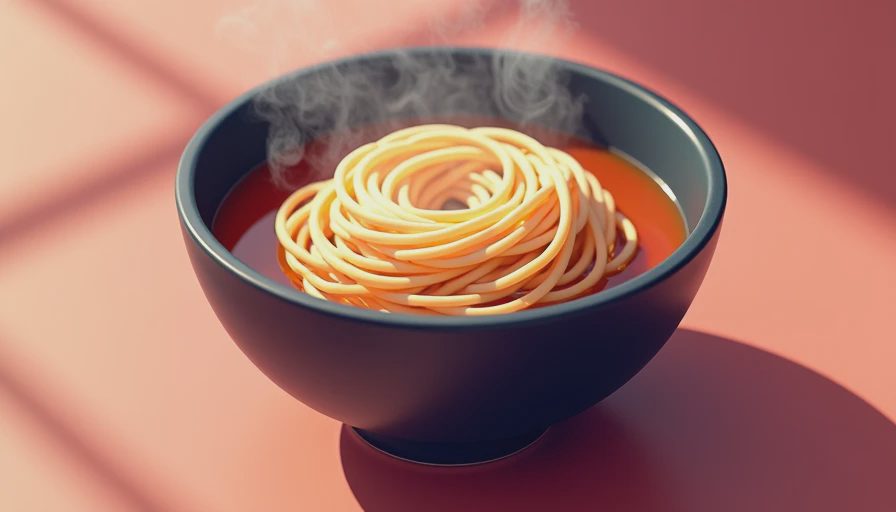
Noodles for hot pot are especially good when the bowl has contrast. Add a few strands of chewy udon with crisp napa cabbage, tender mushrooms, thinly sliced beef, or tofu. For a lighter bowl, combine glass noodles with shrimp, spinach, and green onions. The noodle does not need to carry the whole meal; it should connect the broth, protein, vegetables, and dipping sauce.
Start with a small amount of noodles, then add more as you learn how filling the bowl becomes. A typical adult serving might be about two to three ounces of dried noodles or four to six ounces of fresh noodles, but appetite and the rest of the meal matter. Children often do better with a few short-cut noodles in a shallow bowl that cools quickly.
For dipping, try soy sauce with sesame oil and scallions, peanut sauce thinned with hot broth, or a simple mix of soy sauce, rice vinegar, garlic, and a little chili crisp. Taste the broth before adding extra salty sauce because the noodles absorb seasoning as they cook.
My Simple Shopping Plan
For four diners, buy one package of fresh or frozen udon and one package of glass or ramen noodles. Add mushrooms, cabbage, carrots, scallions, tofu, and a protein such as thin-sliced chicken, beef, shrimp, or pork. Keep the broth simple with boxed stock, ginger, garlic, soy sauce, and a spoonful of miso or chili crisp.
This combination gives you different textures without creating a mountain of leftovers. Store unopened noodles according to the package instructions, and refrigerate cooked leftovers promptly. Noodles that have already spent time in broth are best reheated with a splash of stock rather than boiled again.
The best noodles for hot pot are the ones that match your timing, broth, and table. Start with a sturdy favorite, add one quick-cooking option, and keep portions manageable. Once you understand how each type behaves, noodles for hot pot stop being a small source of stress and become one of the easiest parts of the meal. Good food should fit real life, and this dinner absolutely does.


Travellers Write
No letters yet — be the first traveller to write.