
There’s a strange pressure that shows up around Chinese-inspired weeknight dinners. It says the sauce has to be perfectly glossy, the vegetables need to look like a restaurant photo, and if you don’t have five different soy sauces plus a carbon steel wok, you’re not really trying. I spent enough years working behind restaurant lines to know that’s not cooking for dinner. That’s cooking for an audience.
This blog exists because I believe Chinese-inspired weeknight dinners should fit the kitchen you actually have, not the one a food show tells you to build. You don’t need to perform. You need to eat.
Why I Started Writing This Blog
My name is Maggie Alvarez. I’m a former back-of-house cook from Houston, Texas. I’ve worked in Chinese restaurant kitchens and fusion restaurant back lines. I’ve prepped vegetables by the case, worked a wok station during a Friday rush, and learned how to build flavor fast when the tickets are stacked and the burner is screaming.
But here’s what working in restaurants really taught me: the best food comes from people who know what matters and what doesn’t. In a restaurant, nobody cares if your diced scallion is perfectly even. They care that the garlic hits the oil at the right moment, that the sauce thickens correctly, and that the plate leaves the pass hot.
When I came home to cook for my family, I realized most home cooks weren’t missing fancy skills. They were missing the quiet confidence to stop overcomplicating dinner.
The Real Reason Weeknight Dinners Fall Apart
It’s rarely a lack of talent. It’s usually a combination of three things: too many ingredients, too many steps at the wrong time, and a recipe written to impress someone who isn’t eating at your table.
Too Many Ingredients on the Counter
I’ve seen home cooks pull out eight bottles for a simple stir-fry because a recipe said so. Then they’re two minutes into cooking and already behind. Restaurant cooks don’t do that. They set up their station before the heat goes on, and they only put out what they’ll actually reach for.
The fix isn’t buying more organization tools. It’s cooking with fewer, better-flavored ingredients and knowing what to leave out.
Restaurant Logic Doesn’t Always Translate
Restaurants have high-output burners, constant prep, and a dishwasher. Home kitchens have one stove, a cutting board that doubles as a homework table, and a kid asking when dinner is ready. You can’t run a home kitchen like a line. You have to adapt.
That’s why this site is called Dinner by Feel. Once you understand the basics—salt, heat, acid, timing—you can stop following recipes like a nervous intern and start cooking like someone who trusts their hands.
What Performance Cooking Actually Costs You
Performance cooking isn’t just annoying. It costs you time, money, and the will to cook again tomorrow.
It Wastes Your Energy
When you’re trying to make dinner look like a magazine spread, you spend your energy on things that don’t affect flavor. Julienned carrots instead of sliced ones. A perfect garnish. A plate wiped clean of sauce. Meanwhile, the rice is getting cold and the kids are eating crackers.
I’d rather you spend that energy tasting the sauce before you add the chicken, or prepping your garlic before the oil gets hot. Those things actually change the result.
It Makes You Not Want to Cook
The biggest risk of performance cooking is burnout. If every Tuesday dinner has to be a showpiece, you’ll eventually order takeout just to avoid the pressure. But dinner doesn’t have to be beautiful to be good. It has to be hot, seasoned, and on the table.
What Restaurant Cooks Actually Do Differently
When I worked a wok station, I didn’t make every plate look like a cookbook. I made every plate taste consistent. Here’s what that looked like.
Prep Before Heat
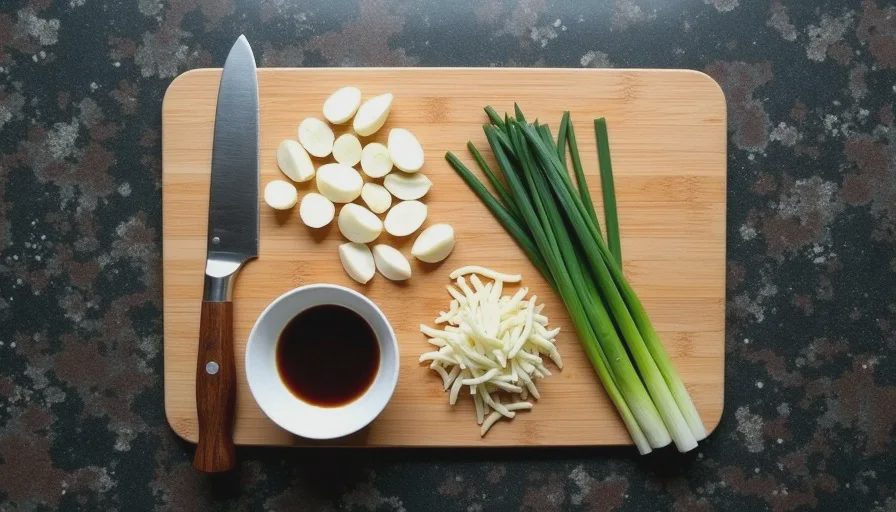
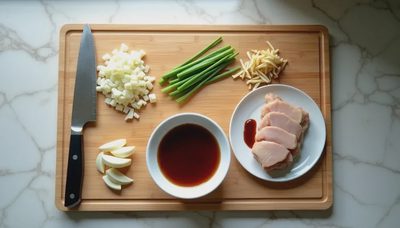
In a restaurant, you don’t start cooking until your station is set. That means your garlic is minced, your sauce is mixed, your protein is dry, and your vegetables are cut. The same rule works at home. Ten minutes of prep before the pan gets hot will save you twenty minutes of panic.
Taste as You Go
Restaurant cooks taste constantly. They dip a spoon into the sauce, adjust salt, add a splash of acid. Home cooks often forget this step because they’re following a recipe. But your soy sauce is different from my soy sauce. Your stove runs hotter or cooler. Tasting is the only way to make the food yours.
Stop Overcrowding the Pan
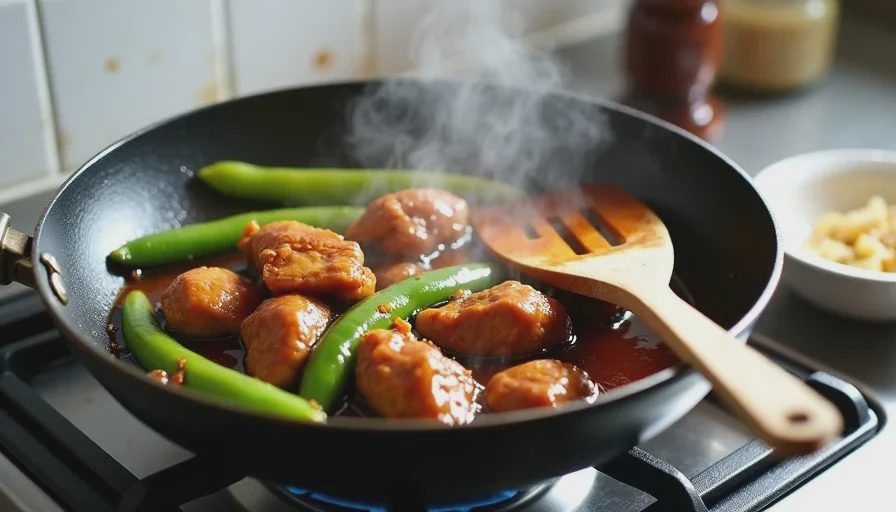
This is the one mistake that kills more home stir-fries than any other. When you crowd the pan, the temperature drops and the meat steams instead of sears. Restaurant cooks work in small batches. At home, you can do the same by cooking in a wide skillet and not piling everything in at once.
You Don’t Need Restaurant Gear
I say this a lot: you don’t need restaurant gear for this. A flat-bottomed nonstick skillet works fine for most home stir-fries. A sheet pan can do a lot of what a wok does if you use it right. A rice cooker is nice, but a pot with a lid works too.
The tools that matter most are a sharp knife, a cutting board that doesn’t slip, and a spatula you can scrape with. Everything else is optional.
How to Make Weeknight Dinner Feel Manageable
If you’re new to this, start with one pan, one protein, one sauce, and one vegetable. That’s it. Here’s a simple template I use often:
Protein: chicken thighs, ground pork, tofu, or eggs
Vegetable: broccoli, cabbage, green beans, or peppers
Sauce base: soy sauce, garlic, a little sugar, and something acidic like rice vinegar or lime
Starch: rice or noodles, cooked while the stir-fry comes together
That’s a weeknight dinner. It won’t win a plating award, but it will be hot, seasoned, and made from food you already have. And it’ll be better than takeout because you know exactly what went into it.
The Quiet Confidence I Want You to Build
I don’t want this blog to make you feel like you’re behind. I want you to feel like you can walk into your kitchen on a Tuesday, open the fridge, and know what to do. That’s the whole point.
The first time you cook without a recipe and it works, you’ll feel it. Not pride, exactly. More like relief. Dinner can be ordinary. It can be imperfect. It can still be really good.
Good food should fit real life. That’s not a slogan. It’s the whole reason this site exists.
So if you’ve been treating dinner like a performance, let it go. Set out your ingredients, heat the pan, and cook like someone who’s done this before. Because you have.
Travellers Write
No letters yet — be the first traveller to write.