When the refrigerator holds a container of roast pork from yesterday, dinner is already halfway done. These leftover roast pork recipes Chinese-style are built for busy American kitchens: hot skillets, supermarket vegetables, pantry sauces, and enough flexibility to handle whatever amount of meat you have. The goal is not to recreate a restaurant dish perfectly. It is to turn a small portion of tender pork into a meal with contrast, color, and a sauce that makes everyone reach for another bite.
Before cooking, slice the pork thinly across the grain. If it has a crisp edge, save those browned pieces for the pan because they bring the best texture. Cold roast pork is easier to cut than warm pork, and pieces about the size of a postage stamp heat quickly without drying out. Set out your sauce, vegetables, and rice before the burner goes on. Stir-frying moves fast, and searching for soy sauce while the garlic burns is how a five-minute dinner becomes a frustrating one.
Start With the Right Sauce Balance
A reliable weeknight sauce needs salt, sweetness, savoriness, and a little acidity. For about 3 cups of sliced leftover pork, stir together 3 tablespoons soy sauce, 1 tablespoon hoisin sauce, 1 tablespoon rice vinegar, 1 teaspoon brown sugar, and 2 tablespoons water. Add a few drops of toasted sesame oil after the pan comes off the heat. That final bit matters because sesame oil is fragrant, not a frying oil; high heat can flatten its flavor.
If your roast pork is already strongly seasoned, reduce the soy sauce to 2 tablespoons. For children, leave out fresh chiles and offer chili crisp at the table. If the meal tastes heavy, add more vinegar or a squeeze of lime. This small adjustment is more useful than adding extra sugar, which can make the sauce sticky but dull.
The most dependable leftover roast pork recipes Chinese home cooks use follow this same pattern: sear the meat briefly, cook the vegetables separately, then bring everything together with sauce. That order protects texture.

Fast Roast Pork Fried Rice
Fried rice is the most forgiving landing place for leftover pork, especially when the rice is cold and a little dry. Use about 3 cups cooked rice, preferably rice made the day before. Break up clumps with your fingers before adding it to the pan. A large nonstick skillet works well, although a wok is helpful if you have one.
Heat 1 tablespoon neutral oil over medium-high heat. Cook 2 beaten eggs until softly set, then move them to a plate. Add another tablespoon of oil, followed by diced onion, frozen peas and carrots, or chopped green beans. Cook until the vegetables are hot and the onion has softened. Add the pork and let it sit for 30 seconds before stirring so the edges brown.
Add the rice, spread it across the pan, and toss every 20 to 30 seconds. Pour the sauce around the hot sides of the skillet instead of directly onto one pile of rice. It will sizzle and distribute more evenly. Fold the eggs back in, then finish with scallions. This is one of the best leftover roast pork recipes Chinese flavors can offer because it feeds four people with only a modest amount of meat.
Saucy Pork and Vegetable Noodles
For a one-pan noodle dinner, use 8 ounces of dried spaghetti, ramen noodles, or lo mein-style noodles. Cook them just until tender, drain, and toss with a teaspoon of oil. The oil is not there to make the noodles greasy; it keeps them from forming one solid lump while you cook the rest.
Sear sliced pork in a hot skillet with a little oil, then transfer it to a plate. Cook broccoli florets, shredded cabbage, bell pepper, or mushrooms until they have browned edges. Add the noodles and sauce, then use tongs to toss everything together. A splash of noodle water loosens the sauce if it looks tight.
For extra depth, add 1 teaspoon grated ginger and a small clove of minced garlic with the vegetables. Do not add garlic at the beginning of an empty pan over extreme heat. It can burn before the vegetables are ready. This timing is one of those small restaurant-kitchen habits that makes home cooking calmer and more successful.
A Five-Minute Pork Lettuce Bowl
When you want something lighter, make a warm pork filling for lettuce cups or rice bowls. Chop the pork into small pieces and cook it with minced garlic, grated ginger, and a teaspoon of oil. Add 1 tablespoon hoisin sauce, 1 tablespoon soy sauce, 1 teaspoon rice vinegar, and 2 tablespoons water. Simmer for two minutes, just long enough for the sauce to cling.
Serve the filling with butter lettuce, shredded carrots, cucumber, scallions, and roasted peanuts. If lettuce cups feel too fussy for a family dinner, spoon the mixture over rice and call it done. The cool vegetables provide the same contrast without requiring anyone to assemble a perfect wrap.
For a crisp topping, crush roasted peanuts with a pinch of salt. Toasted sesame seeds also work, and sunflower seeds are a practical substitute when that is what the pantry offers. Good food should fit real life, not depend on one special ingredient.
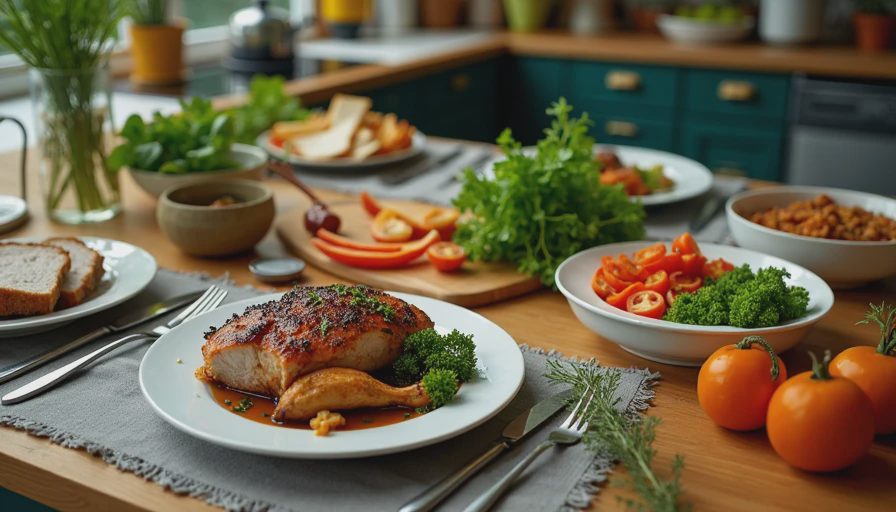
Turn the Pork Into a Family-Style Skillet
One of my favorite leftover roast pork recipes Chinese-inspired is a saucy skillet with potatoes and green beans. Cut 1 pound of small potatoes into half-inch pieces and microwave them with 2 tablespoons water, covered, for four to five minutes. This shortcut gets them tender before they hit the pan, so you are not waiting half an hour for dinner.
Heat oil in a large skillet and brown the potatoes cut-side down. Add green beans or frozen broccoli and cook until bright and tender. Stir in the sliced pork and the sauce from the first section. A tablespoon of water helps everything coat without scorching. Finish with scallions and serve directly from the skillet.
This method is especially useful when the leftover pork portion is small. Six ounces of meat can flavor a full pan of vegetables and potatoes, while a fried egg on top makes the meal feel more substantial. The pork does not need to be the largest ingredient to be the part everyone notices.
How to Store and Reheat It Safely
Refrigerate cooked roast pork within two hours of serving, using a shallow container so it cools quickly. Use it within three to four days. If you will not cook it soon, freeze sliced pork in a tightly sealed freezer bag for up to a few months for best quality. Press out excess air and label the bag with the date and amount.
Reheat leftovers until steaming hot throughout. For fried rice or noodles, a hot skillet is better than a microwave because it restores some browned edges. Add a tablespoon of water, cover the pan for a minute, then uncover and let the sauce reduce. For plain sliced pork, microwave it covered with a splash of water, stirring once, so it does not become dry and chewy.
The best leftover roast pork recipes Chinese-style are flexible enough for a Tuesday night, but a little preparation makes them taste intentional rather than improvised. Slice the meat, choose one starch, add two vegetables, and build a balanced sauce. That is the whole system.
Make Tomorrow’s Dinner Easier Tonight
When serving the original roast pork dinner, cook extra rice and reserve a cup or two of vegetables before they disappear. Store the pork, rice, and vegetables separately if possible. Separate containers let you choose fried rice, noodles, lettuce bowls, or a skillet meal the next day instead of eating the same plate twice.
A simple shopping list covers most of these leftover roast pork recipes Chinese-inspired: eggs, scallions, frozen peas and carrots, cabbage, broccoli, rice or noodles, soy sauce, hoisin sauce, rice vinegar, and sesame oil. You do not need a specialty pantry stocked like a restaurant. A few dependable ingredients, a hot pan, and good timing are enough to make leftovers feel like a fresh dinner.


Travellers Write
No letters yet — be the first traveller to write.