Garlic bok choy stir fry is the kind of dinner I want when the day has already used up most of my patience. It comes together in one skillet, needs ordinary supermarket ingredients, and delivers that bright, savory flavor that makes a bowl of rice feel like a complete meal. The vegetables stay juicy and lightly crisp instead of collapsing into a pile of greens.
This is not a fussy recipe. The important parts are cutting the bok choy into manageable pieces, mixing the sauce before the pan gets hot, and giving each ingredient enough room to cook. Once those small details are handled, dinner moves quickly. Good food should fit real life, and this recipe was built for a Tuesday night when everyone is hungry.
What you need for the stir-fry
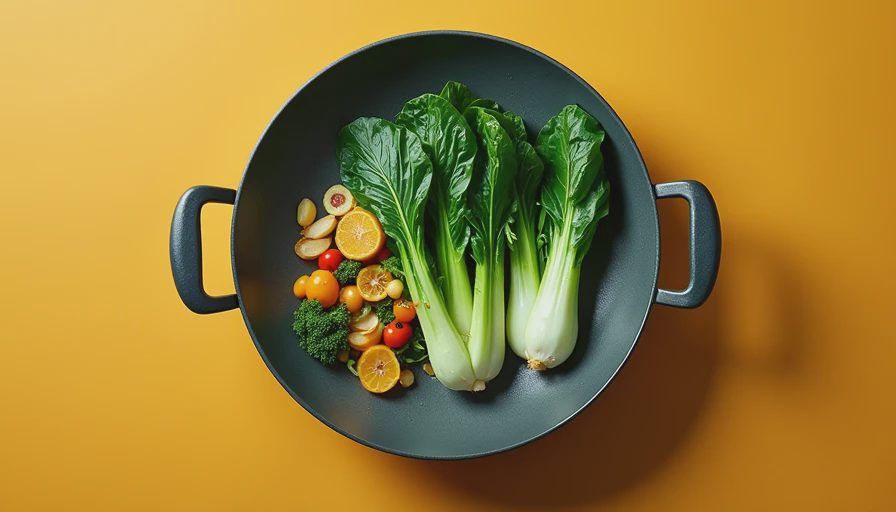
For four servings, buy about 1 1/2 pounds of baby bok choy, or three to four large heads. Baby bok choy is convenient because the stems are tender, but regular bok choy works just as well. Cut baby heads in half lengthwise, or quarter larger heads. Rinse carefully between the leaves, where grit likes to hide, then dry them well. Wet vegetables steam instead of searing.
You will also need six garlic cloves, thinly sliced or finely chopped, two tablespoons of neutral oil such as canola or avocado oil, and a small piece of fresh ginger if you have it. For the sauce, stir together three tablespoons of low-sodium soy sauce, one tablespoon of rice vinegar, one teaspoon of toasted sesame oil, one teaspoon of honey or brown sugar, and two tablespoons of water. A teaspoon of cornstarch makes the sauce cling, but you can leave it out for a lighter, more brothy finish.
Garlic bok choy stir fry is flexible about extras. Add sliced mushrooms, shredded carrots, snap peas, or a handful of baby spinach. For protein, use thinly sliced chicken, peeled shrimp, cubed tofu, or a pound of ground pork. Keep the total amount modest so the pan stays hot. If you add a full pound of meat and a mountain of vegetables at once, the skillet will cool down and everything will steam.
How to cook it without soggy vegetables
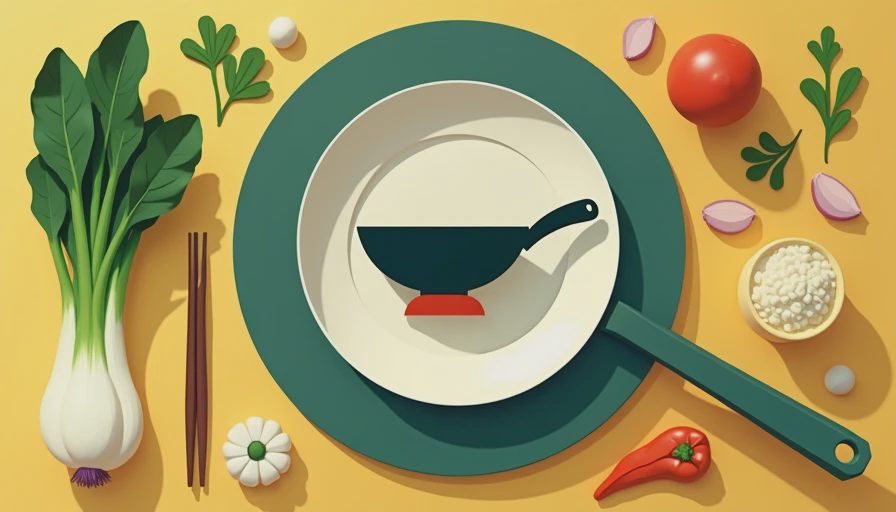
Set a large wok or 12-inch skillet over medium-high heat. Let it heat for a minute, then add the oil. If you are cooking chicken, shrimp, pork, or tofu, cook that first in a single layer until nearly done. Transfer it to a plate. This short pause prevents the protein from overcooking while the bok choy finishes.
Add the bok choy stems to the hot pan first. Cook them for two to three minutes, tossing occasionally, until they show a few golden spots and begin to soften. Add the leafy tops and cook for another minute. This staggered timing matters because the thick stems need more heat than the leaves. You want the stems tender enough to bite but still lively, not limp.
Make a small space in the middle of the pan and add the garlic and ginger with a few drops of oil if the skillet looks dry. Stir for about 30 seconds, just until fragrant. Do not walk away here. Garlic can go from sweet and aromatic to bitter in the time it takes to answer a text.
Pour in the prepared sauce and return the cooked protein to the pan. Toss everything for one to two minutes, until the sauce bubbles and coats the vegetables. If you used cornstarch, the liquid will turn glossy quickly. If the pan seems dry, add a tablespoon of water. Taste before adding salt because soy sauce brings plenty of seasoning.
Easy ways to make the meal your own
The best garlic bok choy stir fry has contrast: tender leaves, crisp stems, fragrant garlic, and a sauce that is salty, tangy, and just a little sweet. You can shift that balance without changing the method. Add a pinch of red pepper flakes or a spoonful of chili crisp for heat. Stir in a little lime juice at the end for extra brightness. A few sliced green onions bring a fresh finish, while toasted sesame seeds add a pleasant crunch.
For a vegetarian dinner, use firm tofu. Press it briefly with a clean towel, cut it into cubes, and brown it in oil before cooking the vegetables. A splash of mushroom seasoning or a teaspoon of vegetarian oyster-style sauce can add deeper savoriness. For a gluten-free version, use tamari or certified gluten-free soy sauce and check the labels on your other condiments.
When I am feeding children, I keep the pan mild and put chili crisp on the table for adults. Thinly sliced chicken thighs are forgiving and stay juicy, while shrimp cook in only a few minutes. Ground pork is especially good with bok choy because its richness balances the fresh vegetable. The same sauce can carry all three options without requiring a separate dinner.
What to serve with it
Garlic bok choy stir fry is excellent over steamed white rice, brown rice, or jasmine rice. If you need dinner in a hurry, microwave rice is a completely reasonable shortcut; the hot, saucy vegetables are what make the meal satisfying. Rice noodles also work, especially when you add an extra tablespoon of water to the sauce so it can coat the noodles.
For a lower-starch plate, serve the vegetables with edamame, a fried egg, or extra tofu. Cucumber slices with rice vinegar make a cool side dish, and a simple orange or apple after dinner keeps the whole meal uncomplicated. Leftovers hold well in the refrigerator for up to three days in a covered container. Reheat them in a skillet over medium heat with a splash of water rather than blasting them until the leaves dry out.
If you are planning ahead, wash and cut the bok choy one day early and store it in a container lined with a dry paper towel. Mix the sauce in a jar and refrigerate it. You can also slice the garlic and ginger in advance. The actual cooking then takes about ten minutes, which is faster than many delivery orders and usually easier on the budget.
Troubleshooting your skillet dinner
If your bok choy releases a lot of water, the pan was probably crowded or the vegetables were still wet after washing. Cook in two batches next time, or use a wider skillet. If the garlic burns, lower the heat and add it later, after the stems have softened. If the sauce tastes too salty, dilute it with a tablespoon or two of water and add a little rice vinegar. If it tastes flat, try a small squeeze of lime or another drop of sesame oil rather than dumping in more soy sauce.
The phrase garlic bok choy stir fry sounds simple because the dish is simple, but the order of operations makes it work. Hot pan, dry vegetables, stems before leaves, garlic near the end, and sauce only after the ingredients have some color: that is the whole rhythm. Once you learn it, you can apply the same pattern to cabbage, broccoli, green beans, or a mixed bag of vegetables.
Make garlic bok choy stir fry tonight when you want something fast but still freshly cooked. Put the rice on first, prep every ingredient before heating the pan, and keep the sauce nearby. Dinner will come together with less scrambling, better texture, and enough flexibility for whatever is already waiting in your refrigerator.


Travellers Write
No letters yet — be the first traveller to write.