This cantonese fried noodles recipe is the kind of dinner I make when everyone is hungry and I need the kitchen to work with me, not against me. The noodles get browned at the edges, the vegetables stay bright, and a simple savory sauce pulls everything together in one skillet. You do not need a restaurant wok or a long list of specialty ingredients. Good food should fit real life.
What makes these noodles work
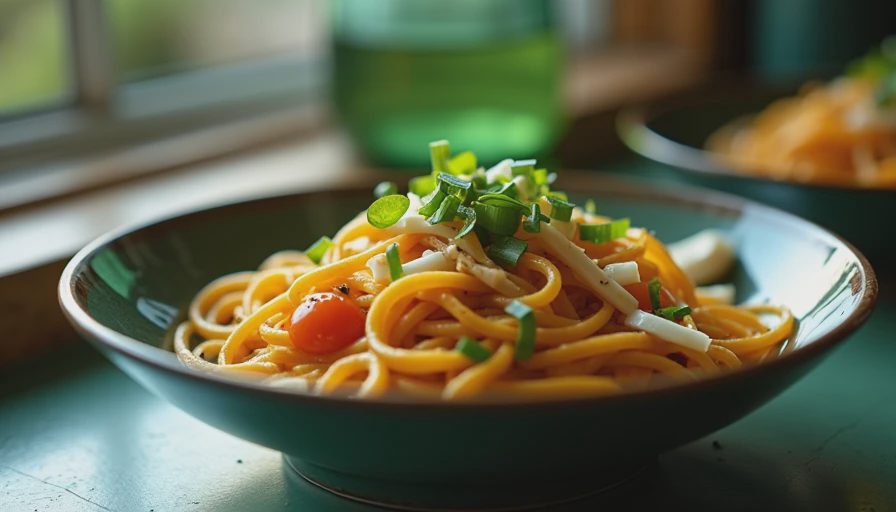
The first important move is cooking the noodles separately from the stir-fry. Fresh chow mein noodles are ideal, but refrigerated yakisoba noodles or thin spaghetti can also do the job. Cook them just until tender, then drain them well. Extra water creates steam, and steam prevents the noodles from developing those tasty browned patches.
For four servings, gather 12 ounces of fresh or refrigerated noodles, 2 tablespoons of neutral oil, 2 large eggs, 2 cups thinly sliced cabbage, 1 medium carrot cut into matchsticks, 1 cup sliced bell pepper, 3 green onions, and 2 cloves of minced garlic. You can add 8 ounces of sliced chicken, shrimp, or thin-cut steak, although the vegetable version is satisfying on its own.
The sauce is deliberately simple: 3 tablespoons soy sauce, 1 tablespoon oyster sauce, 1 teaspoon toasted sesame oil, 1 teaspoon rice vinegar, 1 teaspoon brown sugar, and 2 tablespoons water. If you need a vegetarian option, use vegetarian oyster sauce or an extra teaspoon of soy sauce. The flavor will be a little lighter, but still balanced.
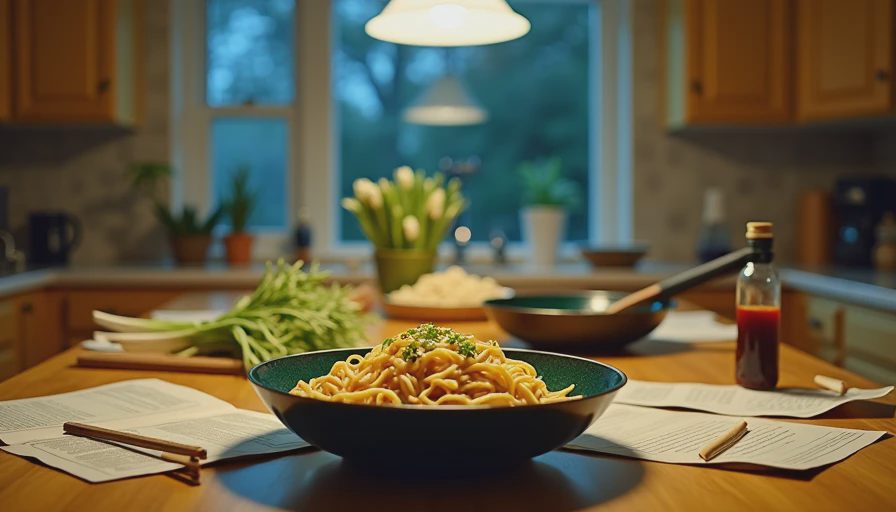
Prep everything before turning on the burner. This is not fussiness; it is insurance against burned garlic and overcooked vegetables. Put the sauce in a small cup, keep the drained noodles in a bowl, and arrange the vegetables beside the stove. Once the pan is hot, the meal moves quickly.
The best pan and heat strategy
A carbon-steel wok is wonderful if you have one, but a 12-inch cast-iron skillet or wide stainless-steel pan works better than a small nonstick skillet. The goal is surface area. Crowding makes the noodles boil in their own moisture instead of sear. If your pan is modest, cook in two batches and combine everything at the end.
Heat the empty pan over medium-high heat for about a minute. Add 1 tablespoon of oil, then pour in the beaten eggs. Stir gently until they are just set, transfer them to a plate, and wipe out any wet pieces if needed. Add the remaining oil and spread the noodles across the pan. Leave them alone for 60 to 90 seconds before tossing. That pause is where the crisp edges happen.
Turn the noodles with tongs rather than aggressively stirring. Cook another minute, then move them to a plate. Add the cabbage, carrot, and bell pepper to the hot pan. Stir-fry for two to three minutes, keeping the vegetables slightly crisp. Add the garlic and white parts of the green onions during the last 30 seconds so they become fragrant without turning bitter.
This is the heart of the cantonese fried noodles recipe: cook each ingredient according to its timing instead of throwing everything into the pan at once. Restaurant burners are powerful, but good sequencing gives a home stove plenty of control.
Bringing the sauce and noodles together
Return the noodles and eggs to the skillet. Pour the sauce around the hot sides of the pan, then toss until every strand looks glossy. Keep cooking for one to two minutes. The sauce should cling to the noodles rather than pool underneath them. If the pan looks dry before the noodles are hot, add one tablespoon of water; if it looks wet, keep tossing over high heat for another minute.
Add the green parts of the scallions at the end. Taste one noodle before adding more soy sauce because oyster sauce and soy sauce both bring salt. I like a final sprinkle of white pepper, but black pepper works too. A few drops of chili crisp or hot sauce can be added at the table so children can eat the same dinner without extra heat.
For protein, cook chicken or steak before the vegetables, using another teaspoon of oil if the pan is dry. Thin slices usually need three to four minutes, depending on thickness. Shrimp cook even faster, often in two minutes per side. Remove the protein while it is still just cooked, then return it with the noodles so it stays tender.
Easy swaps from a regular grocery store
If you cannot find chow mein noodles, use thin spaghetti, angel hair, or refrigerated ramen-style noodles without the seasoning packet. Spaghetti benefits from an extra minute of pan time because it is less springy. Do not use thick udon unless you want a softer, chewier dish; it needs a different sauce balance and more space in the pan.
Cabbage is one of my favorite budget ingredients because half a head lasts through several dinners. Replace bell pepper with snow peas, broccoli slaw, frozen peas, or thinly sliced zucchini. Frozen vegetables are completely acceptable here. Add them straight to the hot pan, but give them an extra minute so their moisture cooks off.
The cantonese fried noodles recipe also adapts well to leftover roast chicken, rotisserie chicken, or cooked pork. Slice the meat thinly and add it near the end. For a meatless dinner, scrambled eggs, tofu, or extra mushrooms provide enough substance for a family meal. A spoonful of peanut butter is not traditional for this style, so skip it if you want the clean soy-sesame flavor to stay in focus.
Serving, storing, and reheating
Serve the noodles immediately while the edges are crisp. Cucumber slices, steamed edamame, or a simple orange salad make easy sides. For a family table, I set out chili crisp, sesame seeds, and sliced scallions so everyone can finish their own bowl.
Leftovers keep in an airtight container in the refrigerator for up to three days. Reheat them in a hot skillet with a teaspoon of water and a few drops of oil. The microwave works for speed, but the noodles will be softer. Do not add more sauce before reheating; concentrated soy sauce can make leftovers too salty.
A useful make-ahead trick is to slice the vegetables and mix the sauce the night before. Store them separately, then cook when dinner starts. The cantonese fried noodles recipe takes about 25 minutes once the prep is finished, and most of that time is hands-on cooking rather than waiting.
A reliable weeknight formula
Remember the flow: cook the noodles, scramble the eggs, brown the noodles, stir-fry the vegetables, then bring everything together with sauce. That order protects texture and keeps the pan from becoming crowded. Start with less sauce than you think you need and add only after tasting. You can always season more, but salty noodles are difficult to rescue.
This cantonese fried noodles recipe is flexible enough for a busy Tuesday and flavorful enough that it does not feel like a compromise. Use what is in the refrigerator, keep the heat moving, and give the noodles a little quiet time against the pan. Those small choices create the savory, crisp-edged dinner everyone wants from a good noodle stir-fry.

Travellers Write
No letters yet — be the first traveller to write.