Chinese broccoli oyster sauce is one of those dependable side dishes that makes a plain dinner feel complete. The greens are tender, slightly bitter, and crisp at the stems, while the glossy sauce brings salty, savory depth without requiring a long ingredient list. I make this when I want something green on the table but do not want to build an entire second recipe around it.
The whole dish takes about 15 minutes, including washing and trimming. It works with rice, noodles, roasted chicken, pan-seared salmon, or leftover takeout-style fried rice. Good food should fit real life, and this is exactly that kind of cooking: quick prep, hot pan, simple sauce, dinner rescued.
What you need for the greens and sauce
Look for Chinese broccoli, sometimes labeled gai lan, at an Asian grocery store or a well-stocked supermarket. Choose bunches with firm stems, dark green leaves, and unopened flower buds. Thin stems cook quickly. If the stalks are thick, slice them lengthwise or give them a two-minute head start in simmering water.
For four servings, use about 1 1/2 pounds Chinese broccoli, 2 tablespoons oyster sauce, 1 tablespoon water, 1 teaspoon toasted sesame oil, 1 small garlic clove finely grated, and 1 teaspoon neutral oil. A pinch of sugar rounds out the sauce, especially if your oyster sauce is very salty. You can also add a small squeeze of lime at the end, though that is optional.
The oyster sauce does most of the heavy lifting. Lee Kum Kee is widely available and gives you a rich, balanced result, but another standard oyster sauce works well. If you need a seafood-free option, use vegetarian mushroom oyster sauce. It will be a little sweeter and lighter, so add a splash of soy sauce if the finished dish needs more salt.
Wash the greens carefully because grit can hide where the stems meet the leaves. Drain them well. Extra water in the pan creates steam and dilutes the sauce, so a salad spinner or a clean kitchen towel is useful here.

How to cook Chinese broccoli oyster sauce style
Start by mixing the oyster sauce, water, sesame oil, garlic, and sugar in a small bowl. Do this before the pan gets hot. Stir-frying moves quickly, and stopping to measure ingredients while the greens are already cooking is how garlic burns and dinner gets chaotic.
Heat a large skillet or wok over medium-high heat. Add the neutral oil, then place in the thicker stem pieces first. Cook for about two minutes, stirring or turning them with tongs. Add the leafy tops and flower buds, then pour in the sauce mixture. Toss everything together and cover the pan for one to two minutes.
The lid traps enough heat to soften the stems without turning the leaves gray. Remove the lid and cook for another minute, tossing often, until the sauce clings to the greens. The stems should bend when you bite them but still have a little snap. If the pan looks dry before the stems are tender, add one tablespoon of water and cover it briefly.
Do not boil the greens in a deep pool of sauce. This is Chinese broccoli oyster sauce, not soup, and the best texture comes from a thin glaze. Taste one stem before serving. If it seems flat, add a tiny splash of soy sauce. If it tastes too salty, toss in another handful of cooked greens or a teaspoon of water.
The small details that make the dish better
Cutting matters more than fancy equipment. Keep leafy sections in large pieces so they do not disappear in the pan, but split very thick stems so the centers cook at the same speed as the leaves. If your bunch has especially tough lower ends, trim away the bottom inch rather than forcing your way through woody vegetables.
A wide 12-inch skillet is often easier than a small wok on a home stove. You want the vegetables spread out enough to contact the hot surface. If the pan is crowded, cook in two batches. Overcrowding causes the greens to release water, and the result becomes limp instead of glossy.
Garlic can be grated, minced, or replaced with a 1/2 teaspoon of garlic powder in a genuine pantry emergency. Fresh garlic tastes brighter, but dinner does not fail without it. A few red pepper flakes add gentle heat. For a family table, I usually keep the main pan mild and pass chili crisp at the table for adults.
If you cannot find gai lan, broccolini is the closest easy substitute. Trim the ends and use the same method, adding an extra minute for thick stalks. Baby bok choy also works, although it cooks faster and has a softer texture. Regular broccoli florets are fine too, but steam them briefly first so the sauce does not burn while the centers remain hard.
What to serve with this quick side
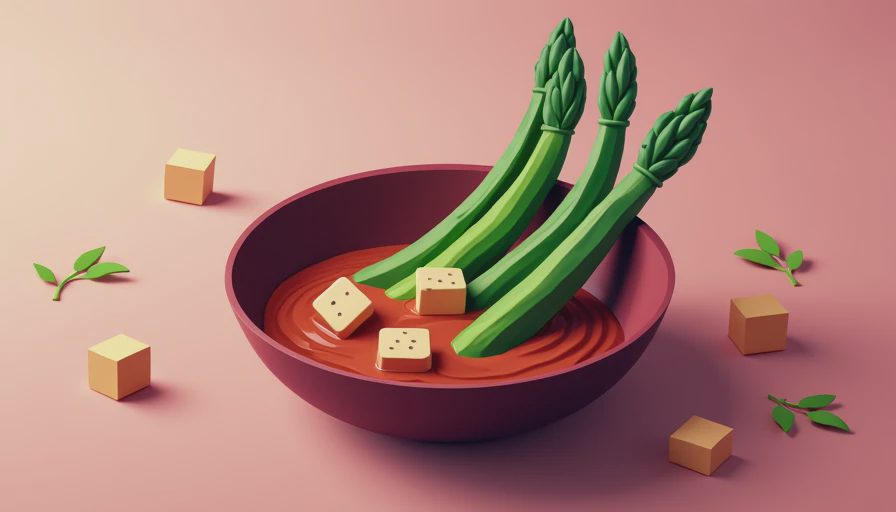
Chinese broccoli oyster sauce is excellent beside steamed jasmine rice because the rice catches the extra glaze. Add sliced chicken thighs, shrimp, tofu, or a fried egg and you have a practical meal. For a meatless dinner, serve it with rice and crispy tofu, edamame, or roasted peanuts for added protein and texture.
It also fits naturally into a larger weeknight spread. Put the greens next to soy-glazed salmon, skillet dumplings, or a simple ground pork stir-fry. The sauce is bold enough to stand beside those dishes without competing with them. A bowl of sliced cucumbers dressed with rice vinegar makes a cool contrast if the meal needs another vegetable.
For leftovers, cool the greens promptly and refrigerate them in a covered container for up to three days. Reheat them in a skillet over medium heat with a tablespoon of water. The microwave works for lunch, but use short bursts and stop as soon as the stems are warm. Long reheating makes the leaves soft and the sauce overly salty.
Common mistakes and easy fixes
The first mistake is using a pan that is too small. If the greens are piled high, the bottom cooks while the top stays raw. Use your biggest skillet, or cook in batches. The second mistake is adding all the greens at once when the stems are thick. Give the stalks their head start so the leaves remain fresh and green.
Another problem is adding extra oyster sauce too early. The sauce concentrates as water cooks away, so taste at the end before reaching for more. If the finished dish is too salty, add a squeeze of lime, a spoonful of water, or more plain cooked greens. If it is too sweet, a few drops of rice vinegar can sharpen the flavor.
For Chinese broccoli oyster sauce with more restaurant-style shine, keep the heat moderately high after uncovering the pan and toss continuously for 30 seconds. The goal is a light coating, not a thick, sticky layer. Sesame oil should go into the sauce or at the end, not into a smoking-hot pan, where its aroma can turn bitter.
A simple dinner plan
Start rice in the cooker, then wash and cut the greens while it cooks. Mix the sauce before heating the skillet. If you are serving chicken or tofu, cook that first and move it to a plate. Use the same pan for Chinese broccoli oyster sauce so the vegetables pick up a little of the browned flavor left behind.
When the greens are done, serve immediately. This dish is at its best hot, with tender stems, bright leaves, and sauce gathered in the folds. Put chili crisp, sliced scallions, or toasted sesame seeds on the table for easy customization. You do not need restaurant equipment or a specialty pantry to make it work.
Once you understand the timing, Chinese broccoli oyster sauce becomes a reliable template rather than a one-time recipe. Change the vegetable, add a protein, or stretch the sauce with a splash of water. The useful kitchen skill is not memorizing every measurement; it is learning to cook sturdy stems first, delicate leaves second, and sauce at the end. That is how a fast side turns into dinner.

Travellers Write
No letters yet — be the first traveller to write.