Salt and pepper prawns are one of those dinners that look like takeout but fit comfortably into a regular Tuesday night. The outside is crisp, the prawns stay juicy, and the seasoning has enough garlic, scallion, and pepper to make steamed rice feel exciting. You do not need a deep fryer, a wok, or a shelf full of specialty ingredients. A wide skillet, dry prawns, and good heat will get you most of the way there.
I like this method because it respects how home kitchens actually work. You cook in a thin layer of oil, build the flavor in the same pan, and serve immediately. Good food should fit real life, and this recipe does. Plan on about 30 minutes from refrigerator to table, including prep.
What makes the prawns crisp
Start with peeled and deveined raw prawns. Jumbo or large prawns are easiest because they give you a little more time to brown the coating before the centers overcook. Frozen prawns work well; thaw them overnight in the refrigerator or place them in a sealed bag in cold water for about 20 minutes. Pat them very dry with paper towels. This step matters more than buying a fancy brand. Surface water creates steam, and steam is the enemy of crisp edges.
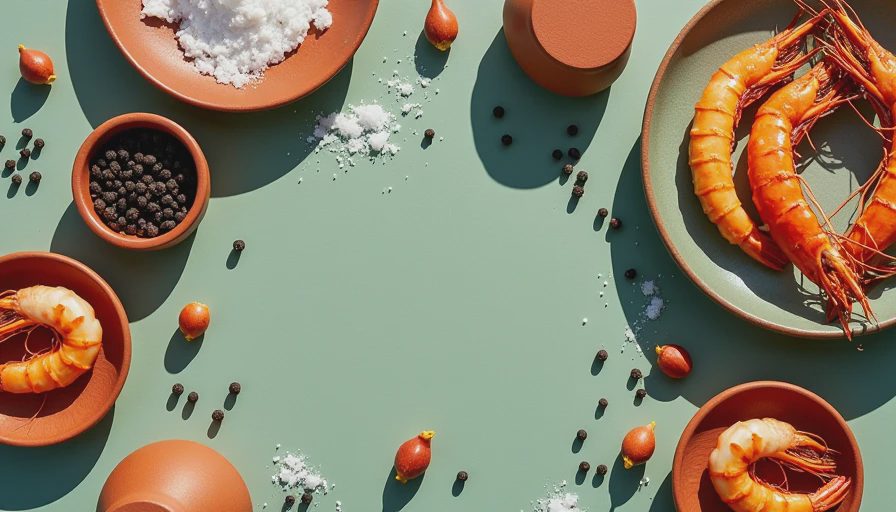
For about four servings, use 1 1/2 pounds of large prawns, 1/3 cup cornstarch, 1 teaspoon kosher salt, 1 teaspoon ground black pepper, 1/2 teaspoon white pepper if you have it, and 1/2 teaspoon sugar. The cornstarch gives the coating its delicate crunch without making the prawns taste like battered seafood. White pepper brings a warm, earthy bite, but extra black pepper is a perfectly good substitute.
Toss the dry prawns with the cornstarch mixture just before cooking. You want a thin, dusty coating rather than a thick paste. If the prawns sit too long, their moisture will turn the starch gummy. Keep your sliced garlic, ginger, green onions, and sliced jalapeno beside the stove before you turn on the heat. Stir-frying moves quickly, and there is no time to hunt for ingredients once the pan is hot.
The skillet method, step by step
Heat a large cast-iron skillet or stainless steel skillet over medium-high heat. Add 2 tablespoons of a neutral oil such as avocado, canola, or vegetable oil. When the oil shimmers, add the prawns in a single layer. Leave space between them. Crowding lowers the pan temperature and gives you soft, pale coating instead of browned edges.
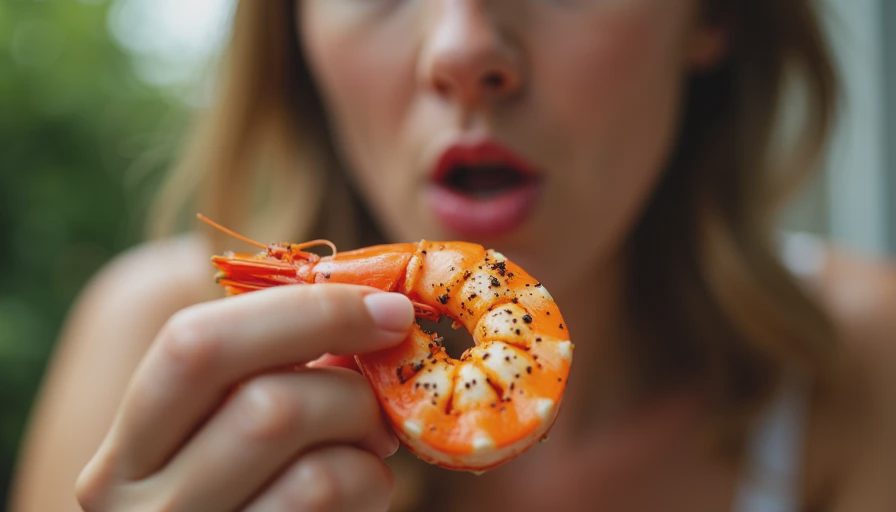
Cook the prawns for about 2 minutes on the first side, then turn them and cook for 1 to 2 minutes more. They should be opaque, curled into a loose C shape, and lightly golden. A tight O shape usually means they have gone too far. Transfer the cooked prawns to a plate while you finish the aromatics. For a large batch, cook in two rounds and add another tablespoon of oil if the skillet looks dry.
Lower the heat to medium and add the garlic, ginger, green onions, and jalapeno. Stir for 30 to 45 seconds, just until fragrant. Add the prawns back to the pan with a final pinch of salt and pepper. Toss for another 30 seconds. You are not making a wet sauce here; the goal is a dry, aromatic coating that clings to the crisp surface. Serve the salt and pepper prawns right away, while the crust is at its best.
Ingredients you can swap without losing the point
Fresh jalapeno gives the cleanest heat, but a pinch of red pepper flakes works when the produce drawer is empty. Thinly sliced serrano peppers make the dish hotter. For a family table, leave the chili out of the pan and put sliced peppers or chili crisp on the table for adults. That way, children can enjoy the garlicky prawns without negotiating every bite.
Cornstarch is the best choice for a light crust, though potato starch makes an especially crisp coating if it is already in your pantry. All-purpose flour will work in a pinch, but the result is heavier and less delicate. You can use shrimp instead of prawns with no other changes. In American grocery stores, the two names are often used for similar products, so focus on size, freshness, and whether the seafood smells clean.
Black pepper should taste lively, not dusty. Freshly cracked pepper gives more aroma than a shaker, but pre-ground pepper is fine for a fast dinner. If you want more restaurant-style fragrance, toast the pepper in the dry skillet for 20 seconds before adding oil, then scoop it onto a small plate and use it in the coating. Do not let it burn; bitter pepper can take over the whole dish.
What to serve with salt and pepper prawns
Steamed jasmine rice is the simplest match because it catches the garlicky bits left in the pan. For a lower-effort plate, use microwave rice and spend your energy on a quick vegetable. Steamed broccoli, snap peas, green beans, or a bag of coleslaw mix tossed into a hot skillet all work. The fresh crunch keeps the meal from feeling heavy.
You can also tuck the prawns into warm tortillas with shredded cabbage, lime, and a spoonful of mayonnaise mixed with hot sauce. That is not traditional restaurant presentation, but it is a practical fusion dinner and a good way to use leftovers. For a noodle bowl, toss the cooked prawns with rice noodles and a splash of soy sauce at the table. Avoid adding watery vegetables directly to the crisping pan because they release steam and soften the coating.
If you are serving salt and pepper prawns to guests, cook them in batches and keep the finished pieces on a wire rack rather than stacking them on a plate. A rack lets air circulate underneath. Do not cover them tightly with foil; trapped steam turns crisp food soft. Garnish with extra green onion, cilantro, or a squeeze of lime just before serving.
A calm game plan for busy nights
You can prep nearly everything before dinner starts. Thaw and dry the prawns, mix the cornstarch seasoning, slice the aromatics, and wash the vegetables. Store each item separately. The prawns should not be coated until the skillet is almost ready, and the aromatics should stay dry so they fry rather than steam.
If dinner is for two, halve the recipe but keep the same cooking method. If you are feeding six, resist the urge to pile all the prawns into one pan. Two batches take only a few extra minutes and give you much better browning. A $25 to $40 wide skillet is more useful here than a small nonstick pan because it holds heat and gives the prawns room.
Cooked leftovers are safe to refrigerate promptly and use within a couple of days, but the coating will soften. Reheat them in a 400-degree Fahrenheit oven or air fryer for several minutes instead of microwaving. They will not be exactly like fresh salt and pepper prawns, but they make a good rice bowl or lunch wrap.
The final kitchen truth is simple: dry seafood, hot pan, enough space, and quick seasoning. Get those four things right and salt and pepper prawns become a reliable home dinner rather than a special-occasion project. Put rice on first, prep while it cooks, and bring everything to the table straight from the skillet. That is the kind of bold, unfussy meal worth repeating.


Travellers Write
No letters yet — be the first traveller to write.